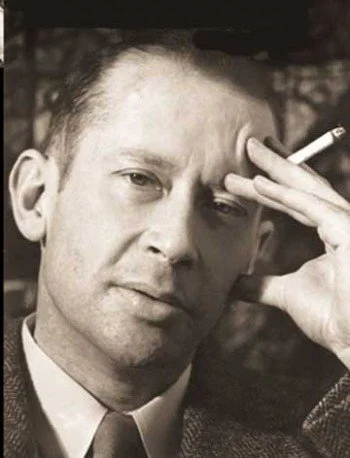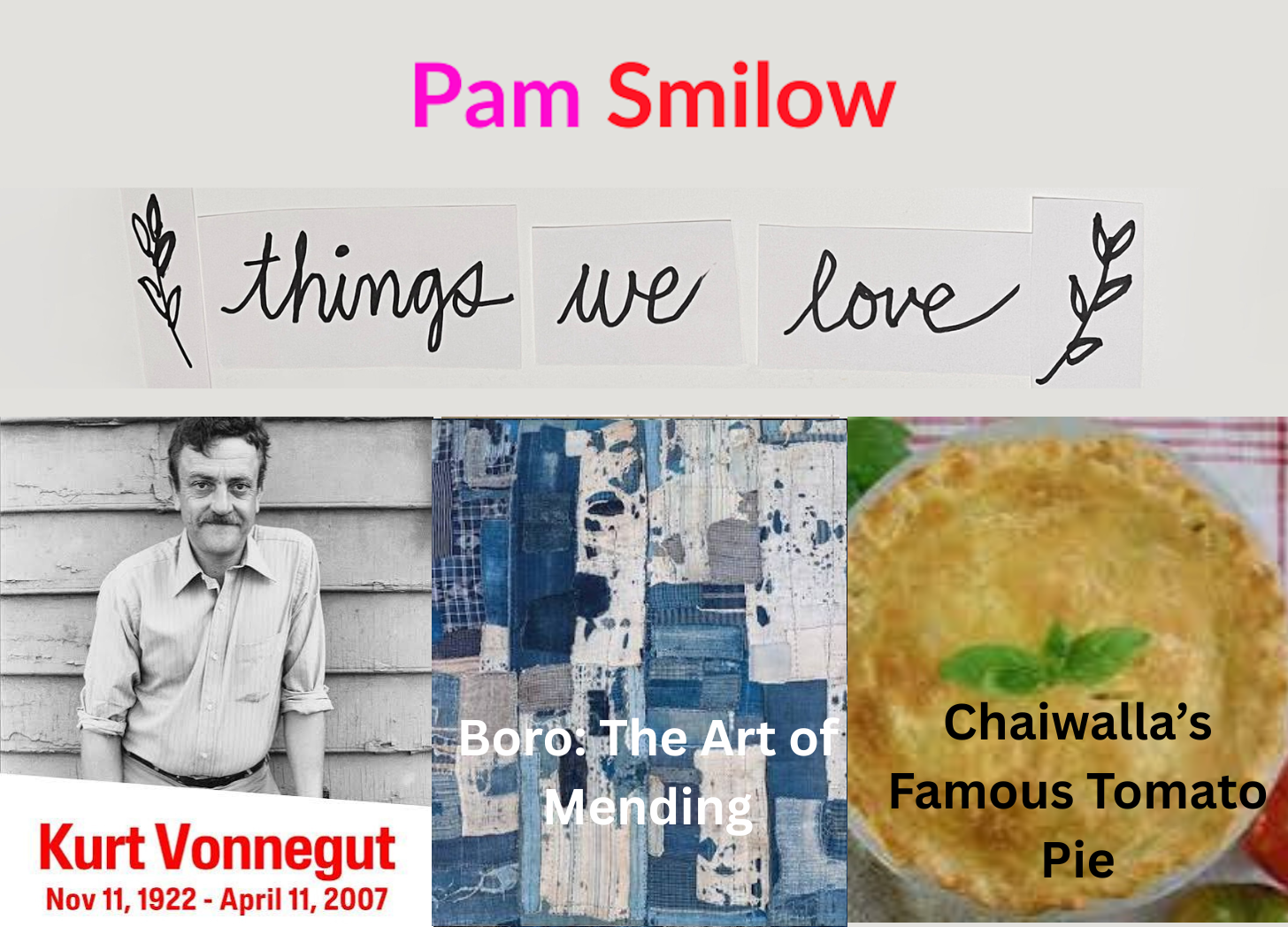
Good Advice from Kurt Vonnegut
(1922-2007)
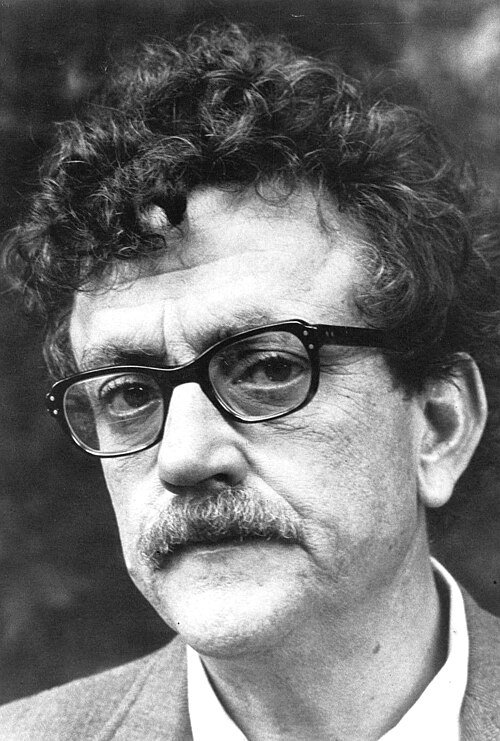
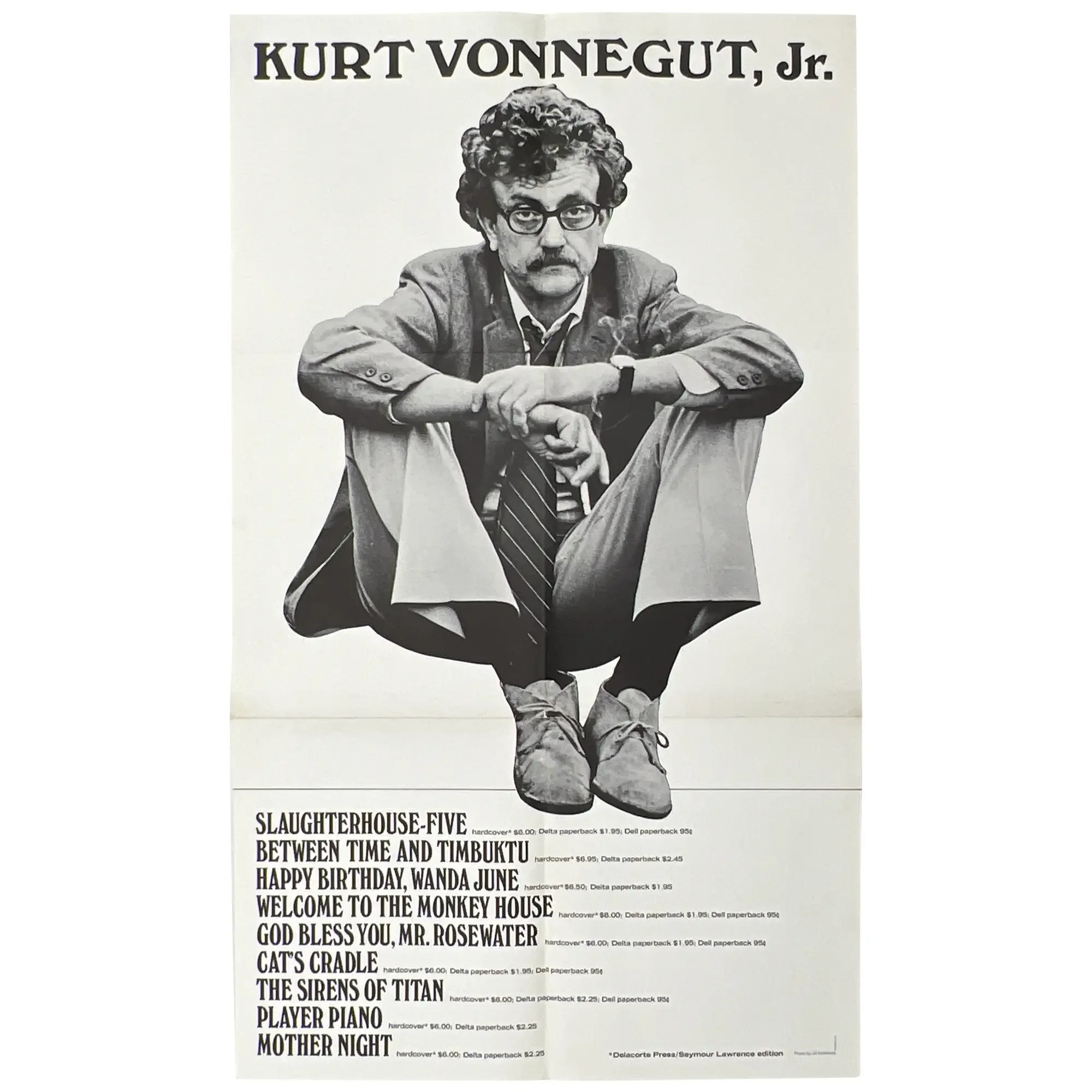
I might have included this letter in a previous blog but I think it is worthy to repeat again--it is great advice!
In 2006 a high school English teacher asked students to write to a famous author and ask for advice. Kurt Vonnegut was the only one to respond--and his response is magnificent:
Dear Xavier High School, and Ms. Lockwood...
I thank you for your friendly letters. You sure know how to cheer up a really old geezer (84) in his sunset years. I don’t make public appearances any more because I now resemble nothing so much as an iguana.
What I had to say to you, moreover, would not take long, to write: Practice any art, music, singing, dancing, acting, drawing, painting, sculpting, poetry, fiction, essays, reportage, no matter how well or badly, not to get money and fame, but to experience becoming, to find out what’s inside you, to make your soul grow.
Seriously! I mean starting right now, do art and do it for the rest of your lives. Draw a funny or nice picture of Ms. Lockwood, and give it to her. Dance home after school, and sing in the shower and on and on. Make a face in your mashed potatoes. Pretend you’re Count Dracula.
Here’s an assignment for tonight, and I hope Ms. Lockwood will flunk you if you don’t do it: Write a six line poem, about anything, but rhymed. Make it as good as you possibly can. But don’t tell anybody what you’re doing. Don’t show it or recite it to anybody, not even your girlfriend or parents or whatever, or Ms. Lockwood. OK?
Tear it up into teeny-weeny pieces, and discard them into widely separated trash receptacals. You will find that you have already been gloriously rewarded for your poem. You have experienced becoming, learned a lot more about what’s inside you, and you have made your soul grow.
God bless you all!
--Kurt Vonnegut
And while we are on the subject of creativity:
The great artist Michelangelo knew that he was a channel for creativity. His incredible sculptures came through him, not from him. Often when we get blocked creatively, we feel like our well has run dry. We feel out of ideas, energy and talent. The Artist’s Way reminds us that we just need to take care of the quantity of creative work and the universe will take care of the quality. Our job as creatives is to show up at the page. We put pen to paper or the first brushstroke on the canvas. Then we need to be open to an inspiration beyond ourselves.
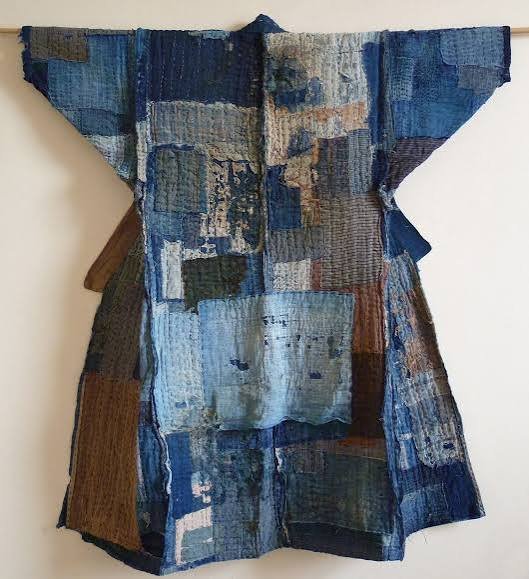
Boro: The Art of Japanese Mending
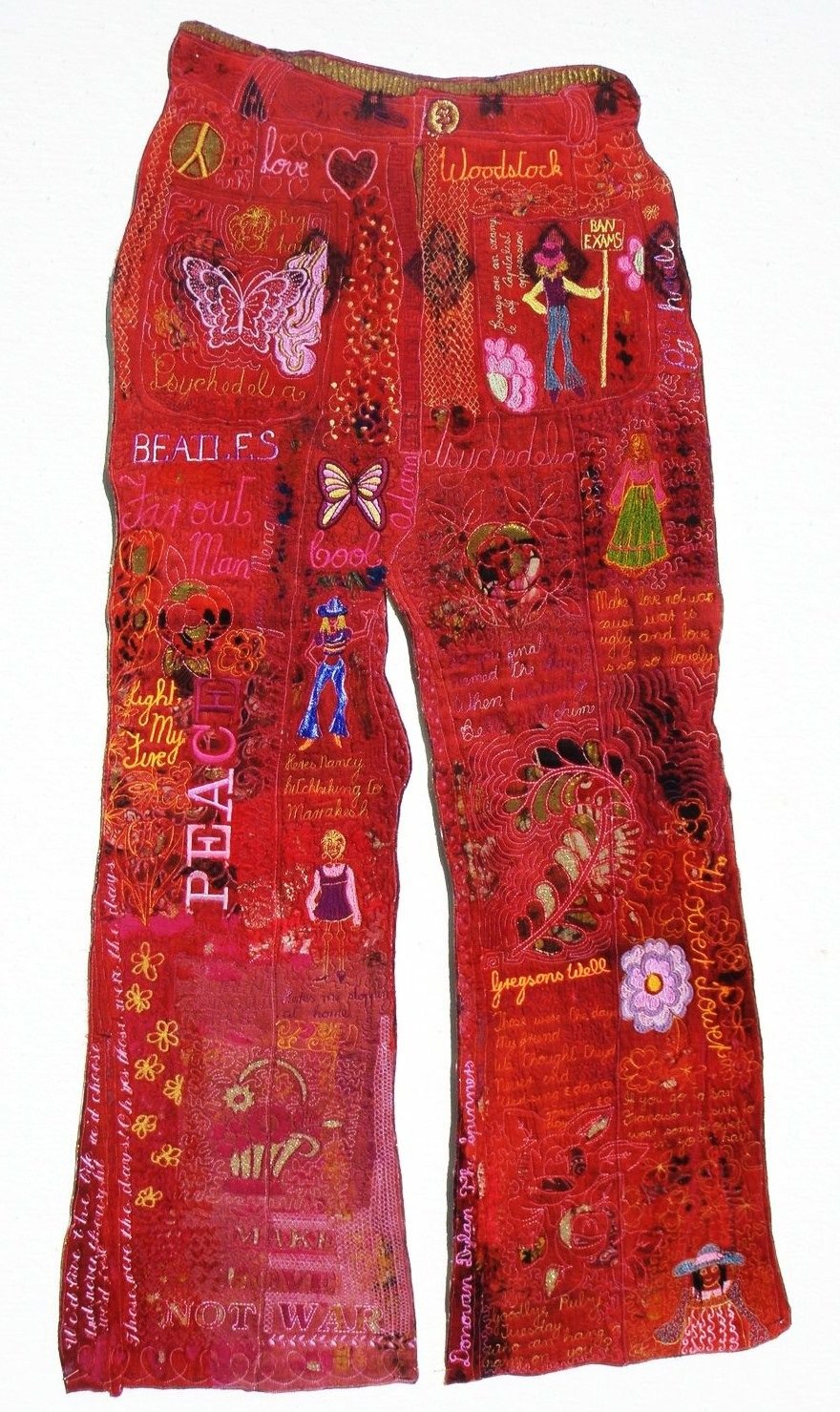
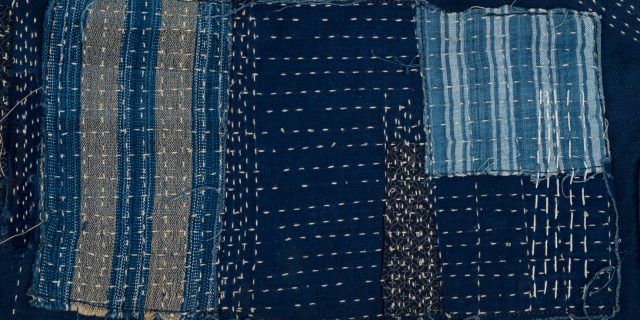
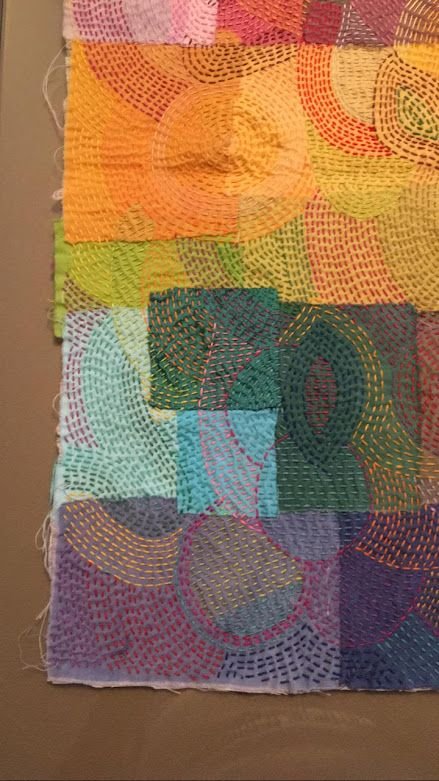
Here is a quick tutorial on how to stitch in the Japanese method.
Famous Tomato Pie from Chaiwalla Tea House
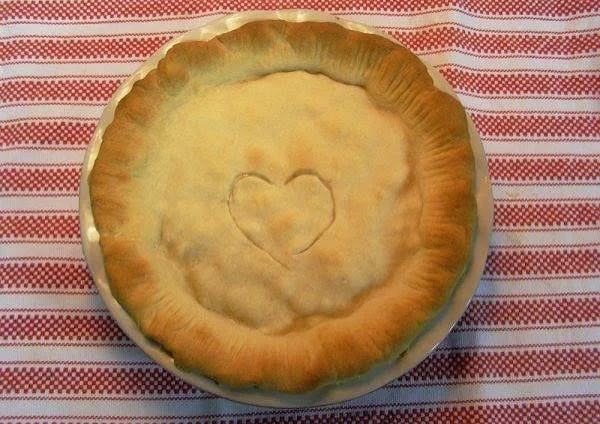
Tomato Pie originally served at Chaiwalla Tea House in Salisbury, Connecticut.
It is my pleasure to share it with you here.
CHAIWALLA TOMATO PIE RECIPE
CRUST INGREDIENTS
*2 cup flour
*1/2 cup butter (1 stick)
*4 teaspoons baking powder
*3/4 cup milk (adjust for biscuit-dough consistency)
(If you enjoy making your own crust, by all means, follow the recipe! If you're short on time, like me, you can also use refrigerated pre-made crusts (like Pillsbury) from the store.
Mix in food processor or by hand. Divide in half, for bottom and top crusts.
FILLING
*2 pounds fresh tomatoes, peeled and sliced (or two 28 oz cans plum tomatoes)
*Chopped basil, chives, or scallions
*1 1/2 c sharp cheddar
*1/3 c mayonnaise
*2 T lemon juice
DIRECTIONS:
Roll bottom crust on floured surface and line 9" pie plate.
Fill crust with thinly sliced tomatoes. Sprinkle with chopped herbs.
Cover with 1 cup grated cheddar.
Mix mayonnaise with lemon juice and drizzle over cheese.
Cover with remaining with 1/2 cup cheddar.
Roll out remaining crust.
Cover pie and pinch the edges to seal. Cut steam vents.
Bake at 400 deg. for about 25 minutes.
If not serving directly from the oven, re-heat before serving to melt the cheese. 
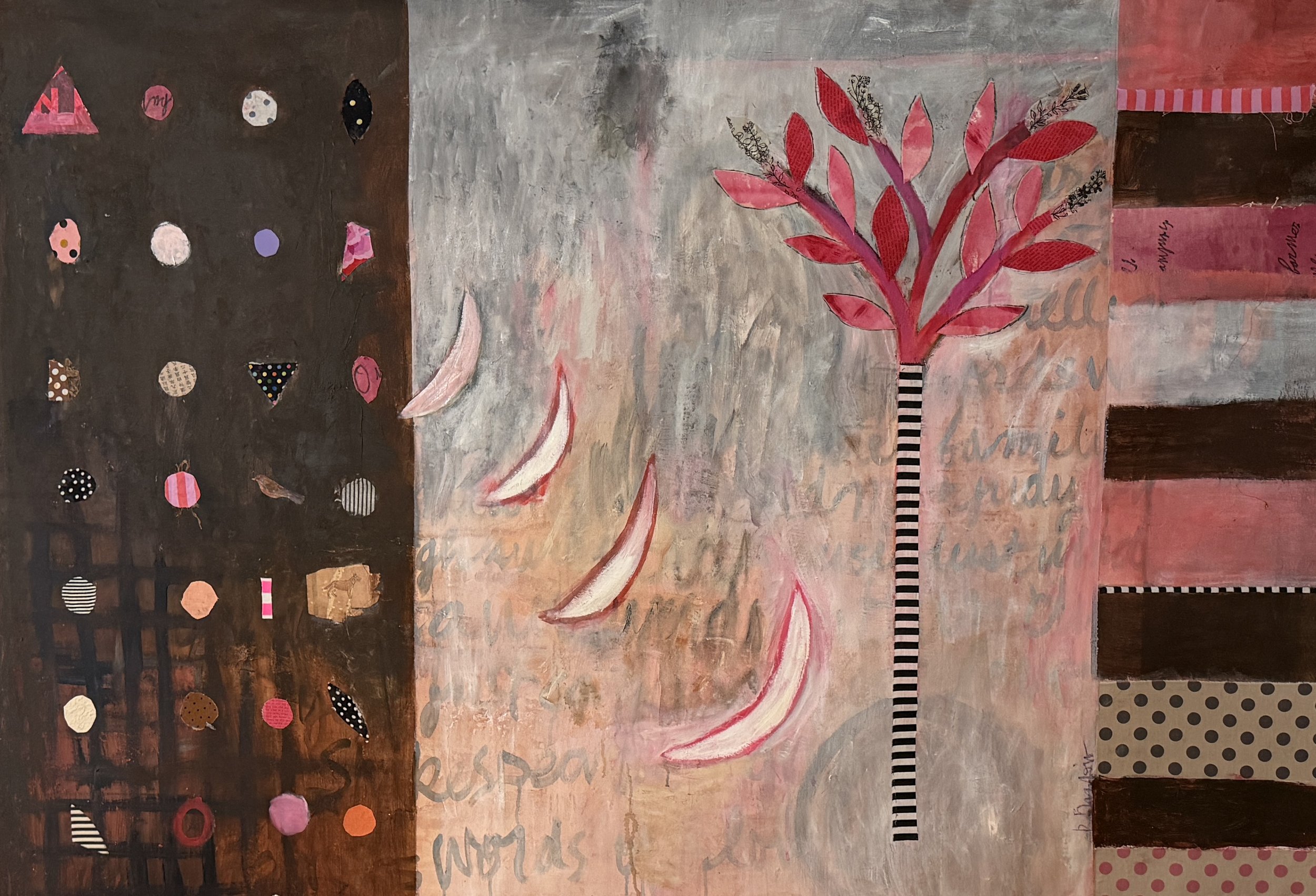
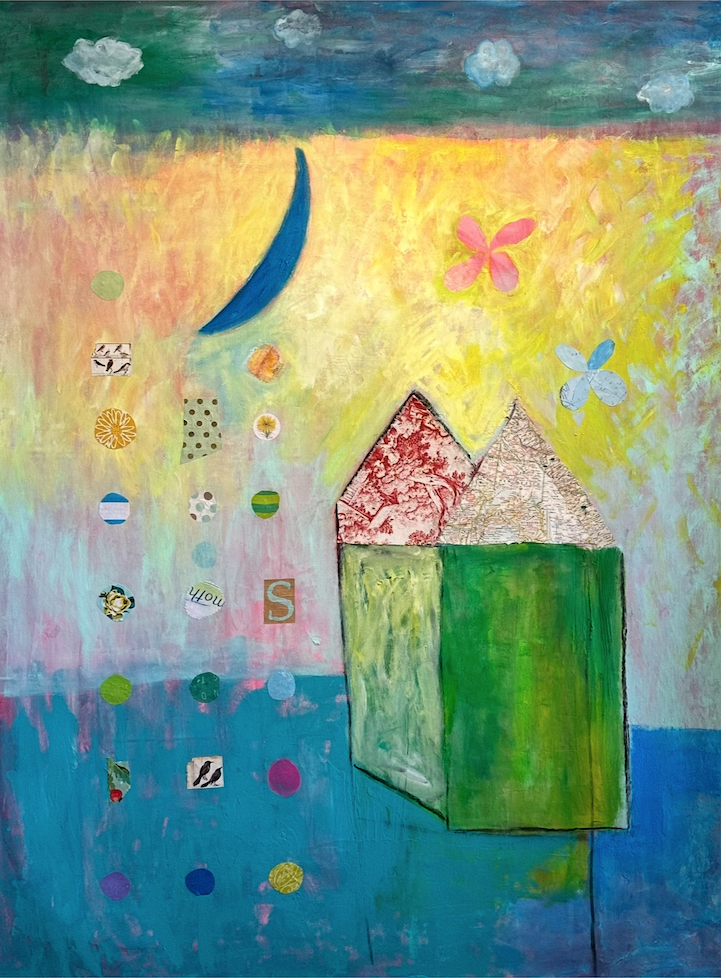
Painting of the Week
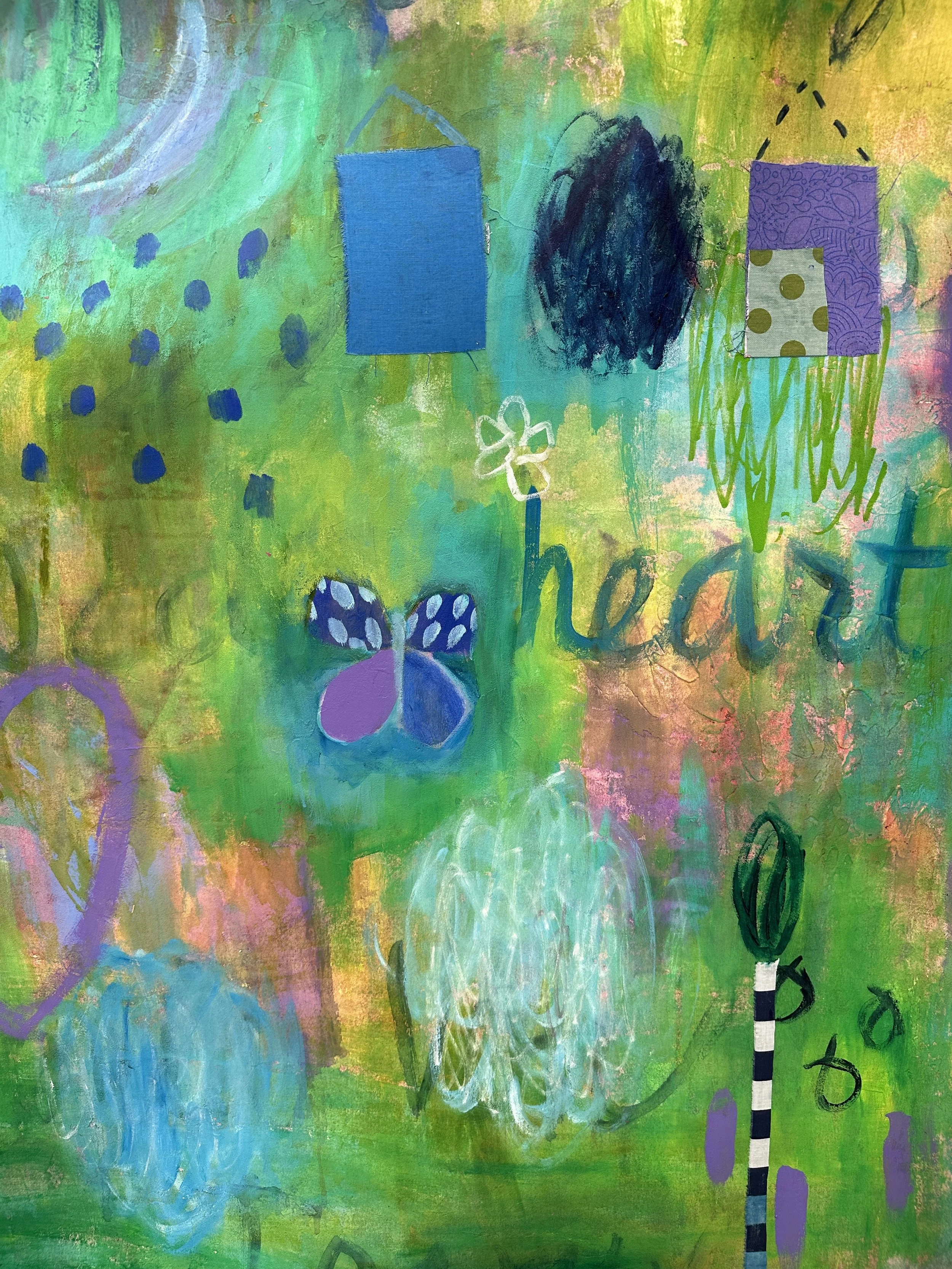
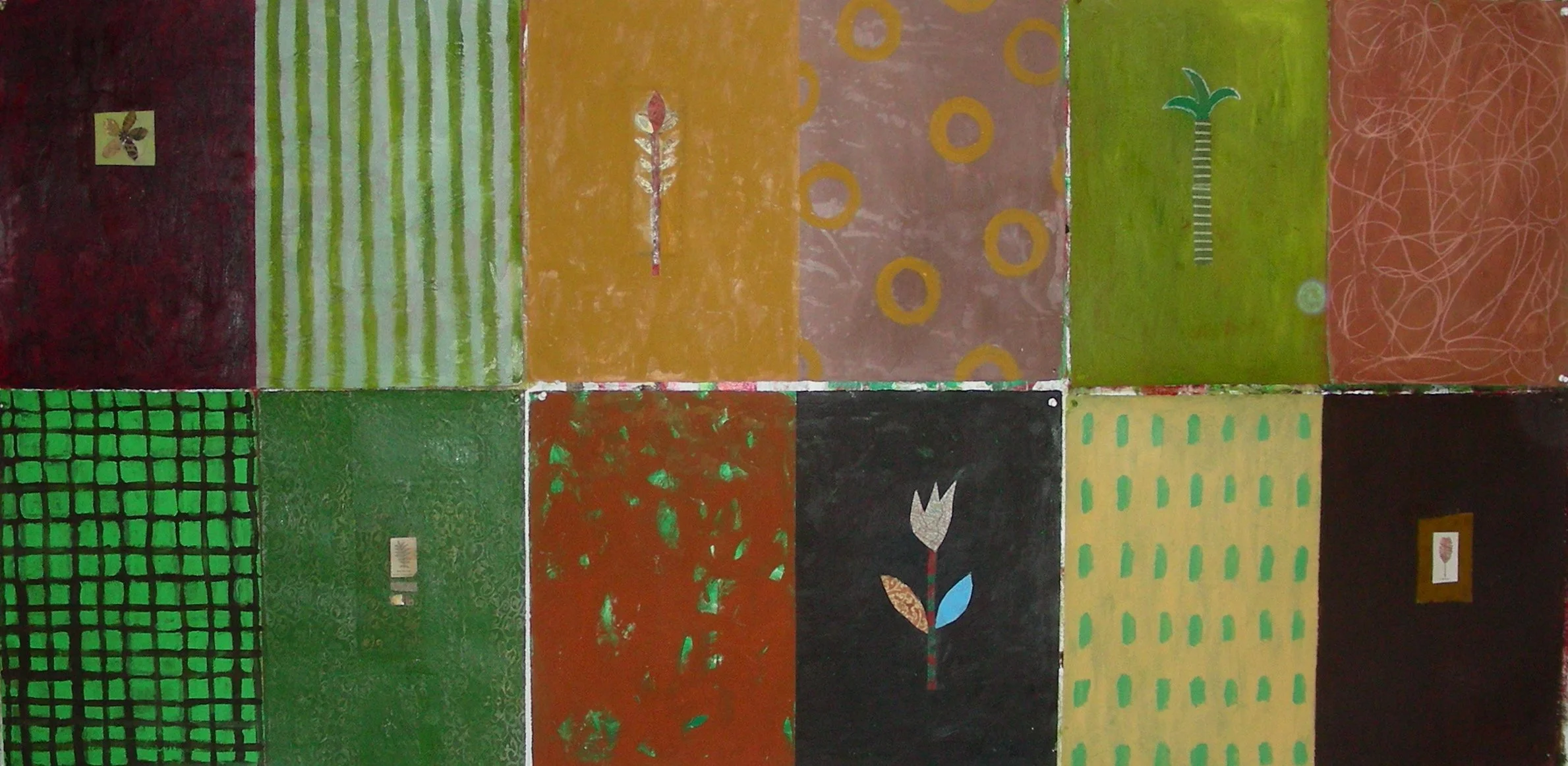
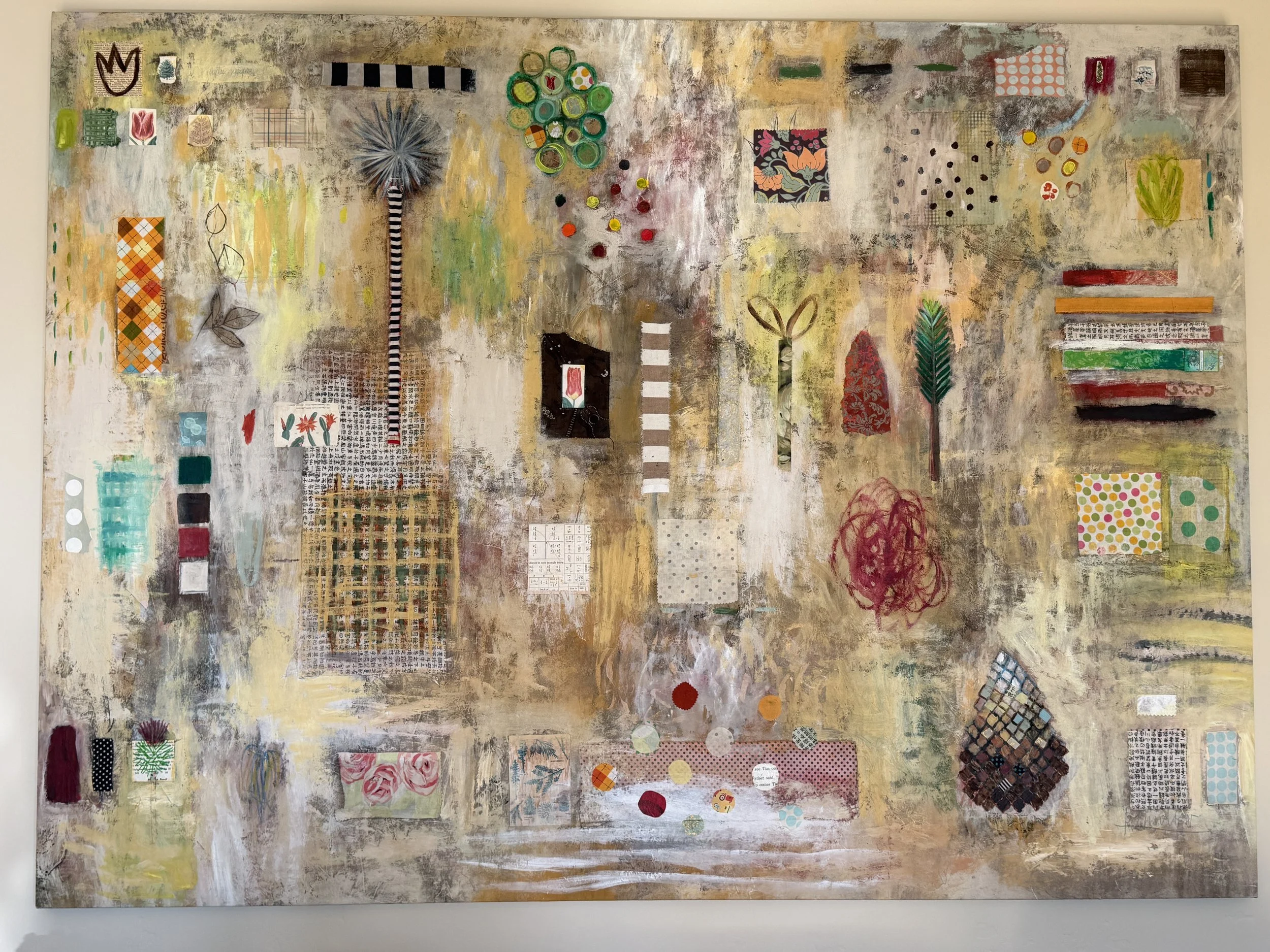
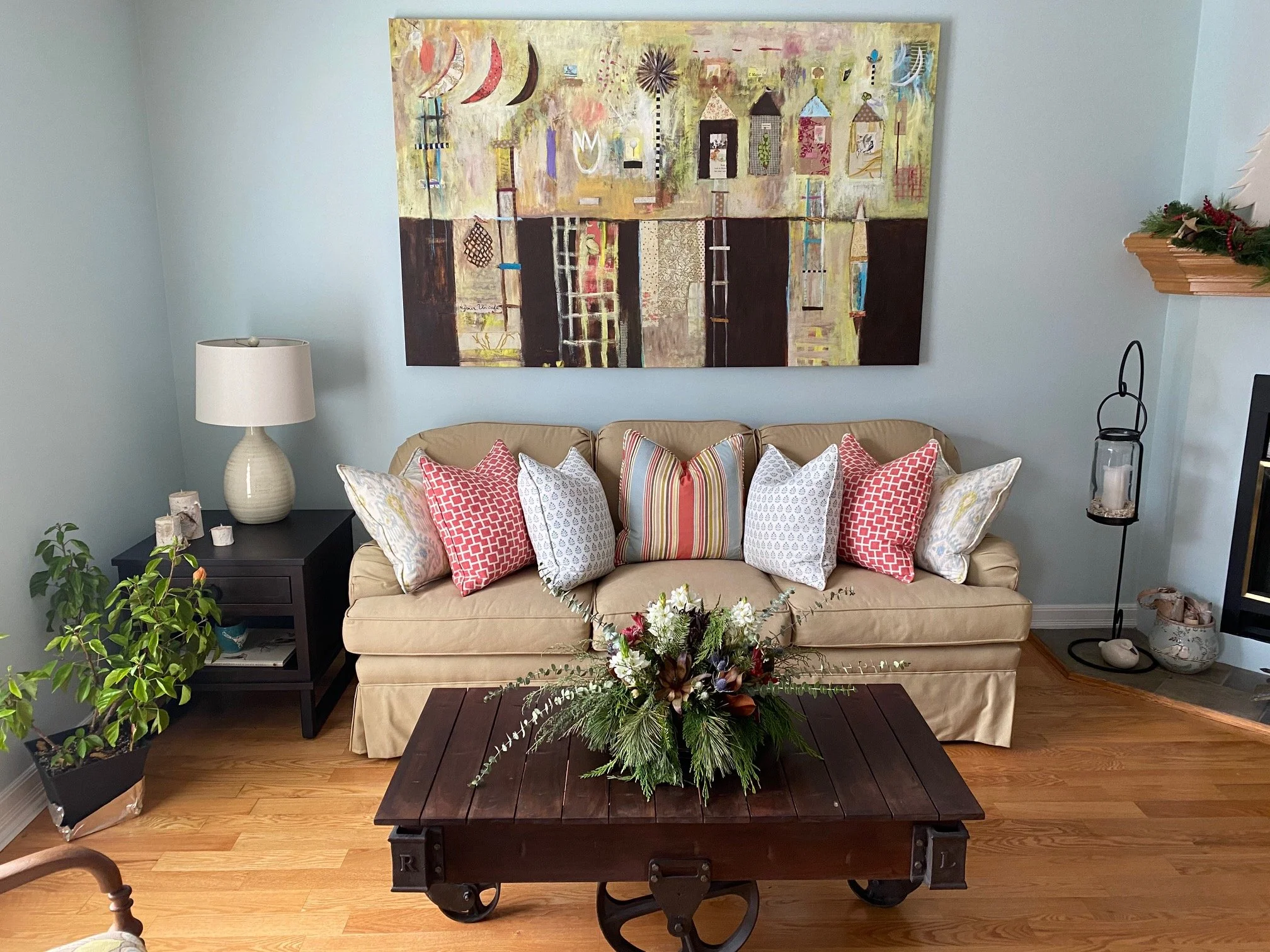
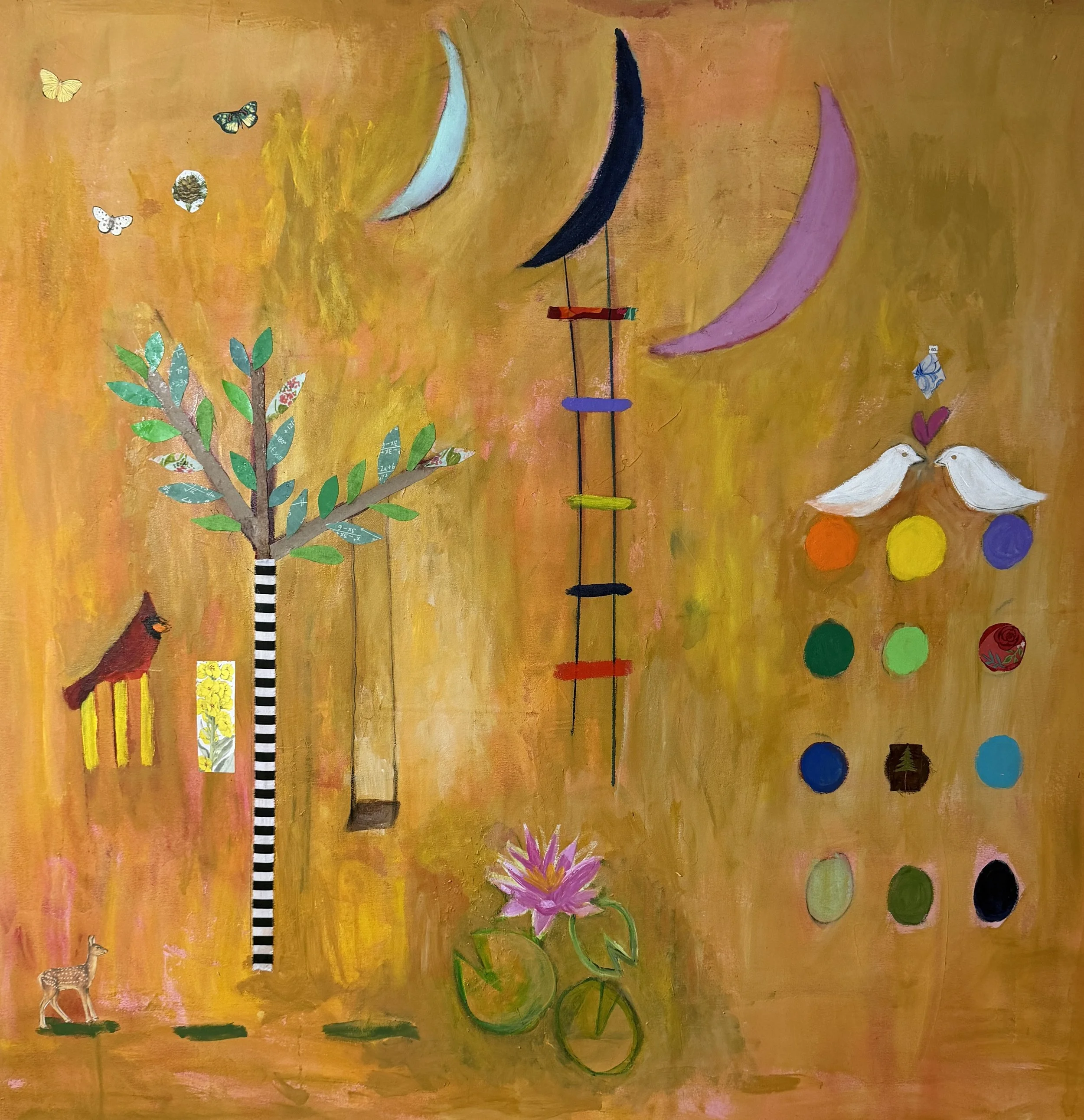
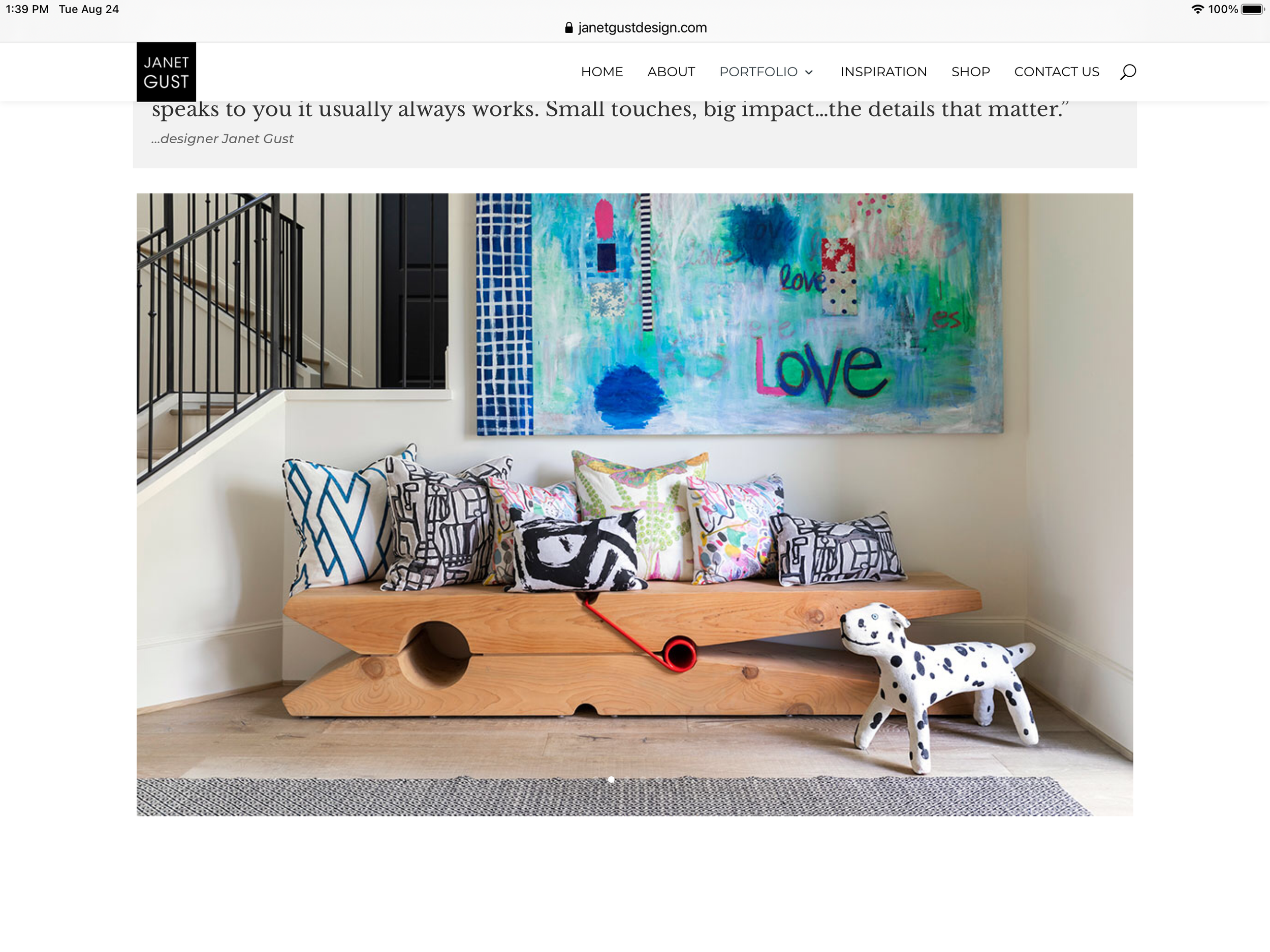
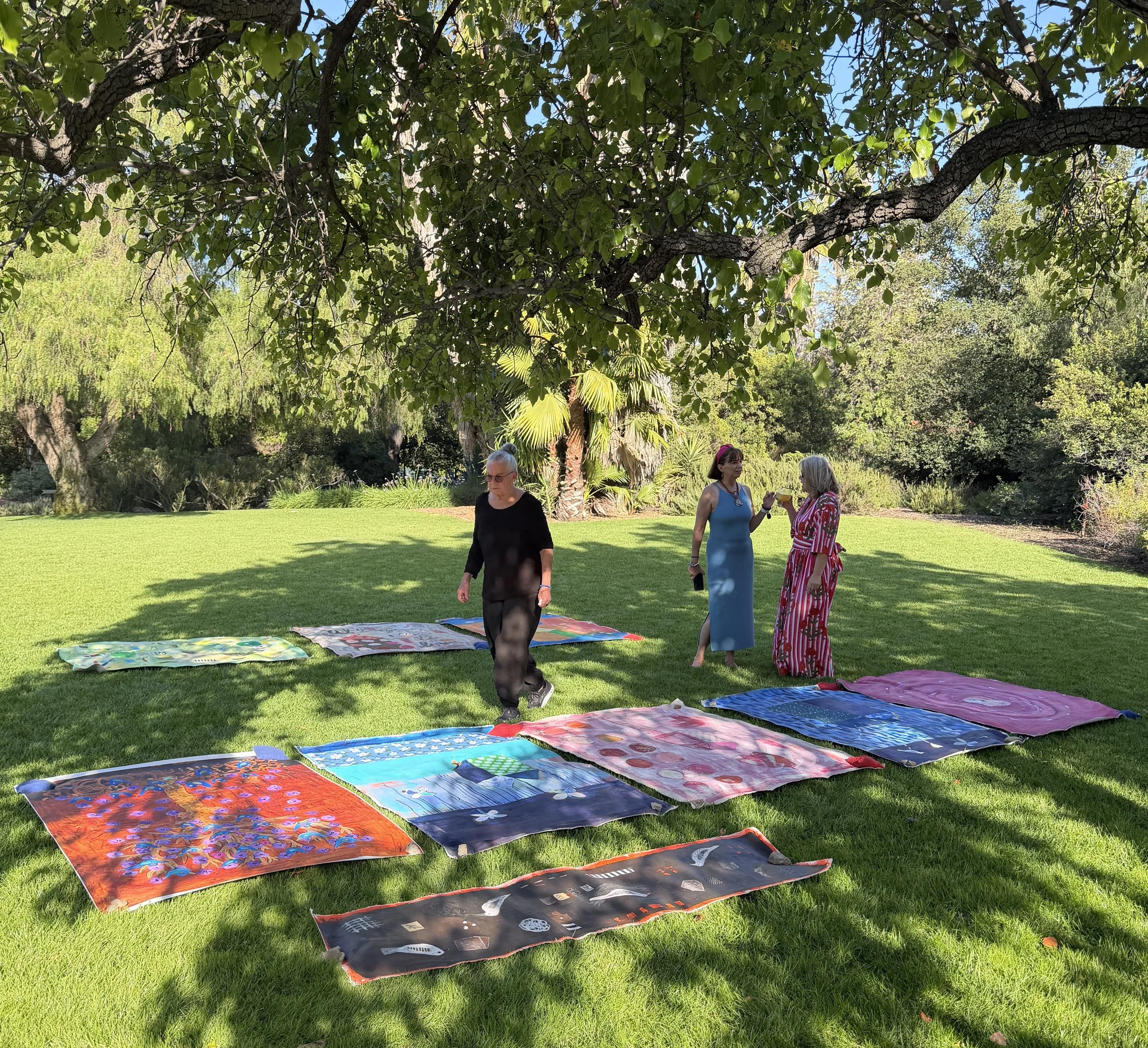
Detail of Green Garden, Purple Heart. mixed media on canvas. 50” x 80”. $8500
Charity of the Week:

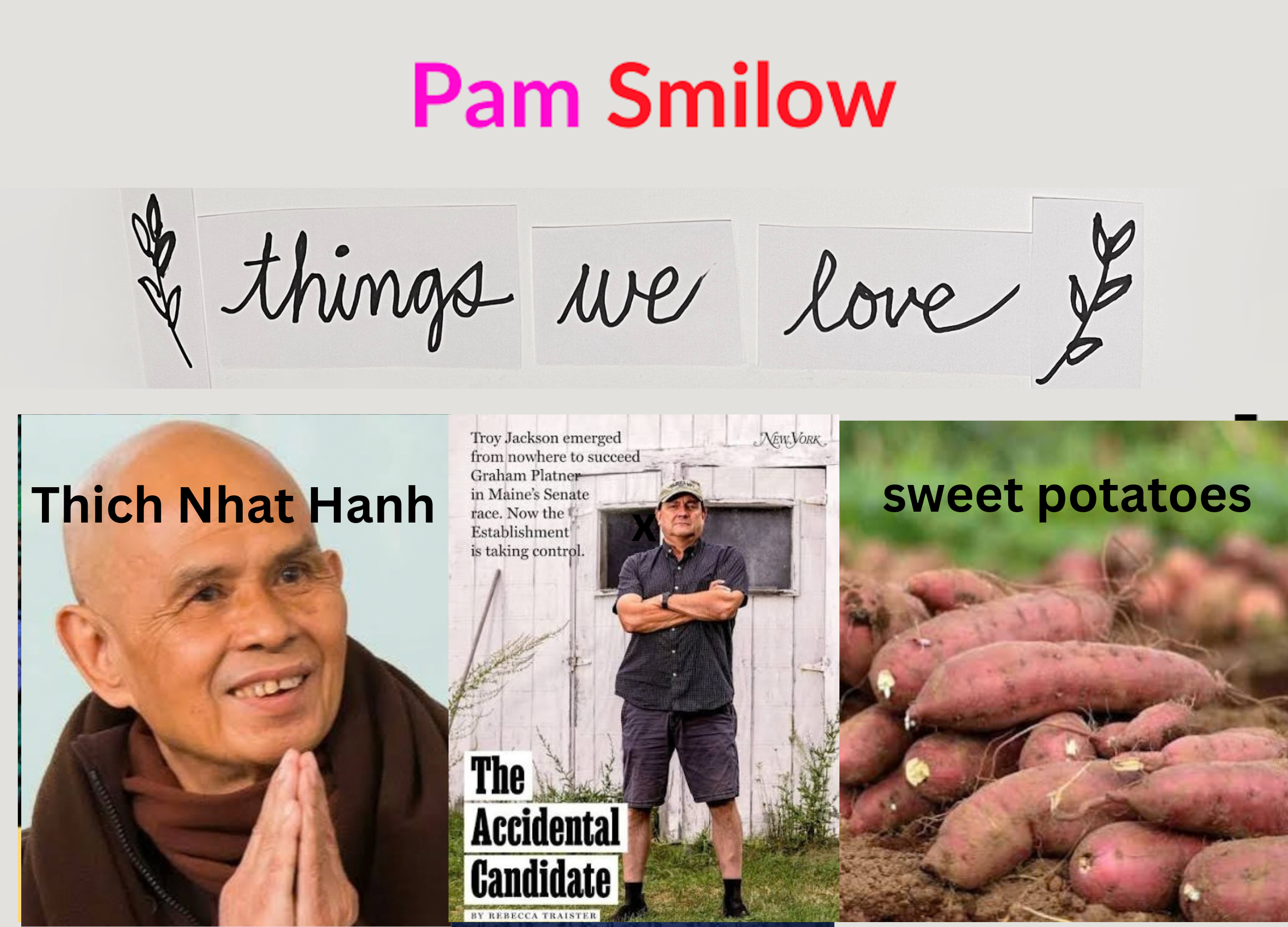
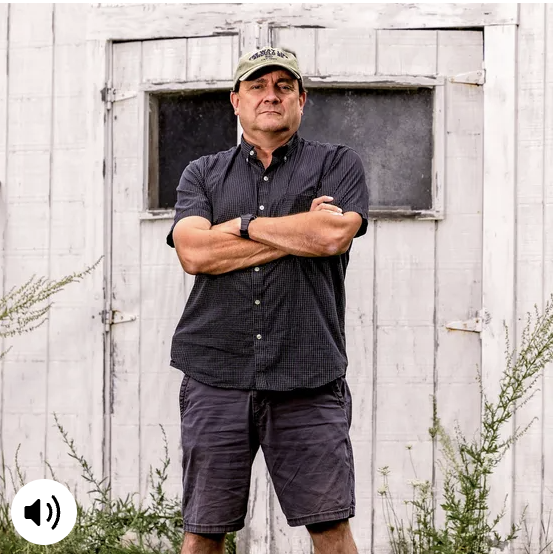
Please consider donating to Troy Jackson’s campaign in order to defeat Susan Collins. We need the help—money-wise, phone banking, canvassing, etc.

About The Author
New York City based contemporary artist, Pam Smilow, began writing the creative lifestyle blog “things we love” in an effort to foster a sense of community during times of isolation and reflection. To read more about her and her art, visit her website and check out the essay written by Frank Matheis entitled The Sophisticated Innocence of Pam Smilow.