Young at Heart Chorus
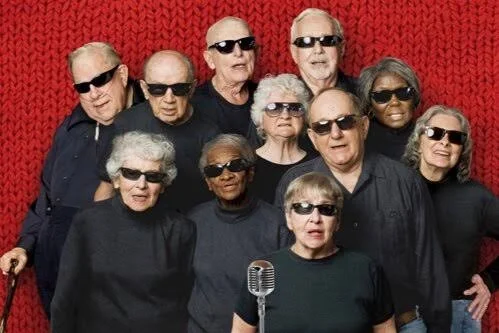
Young at Heart Chorus
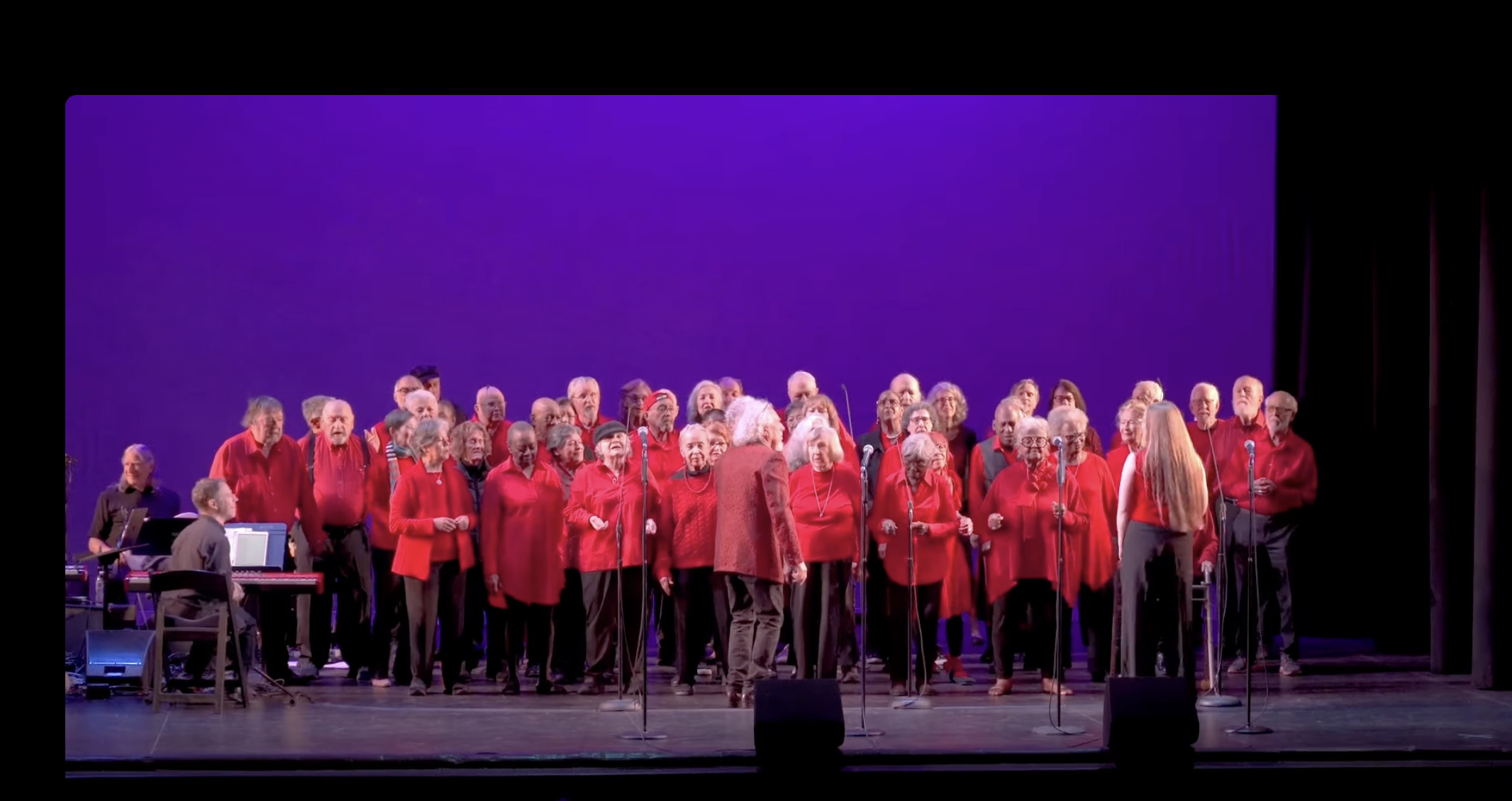
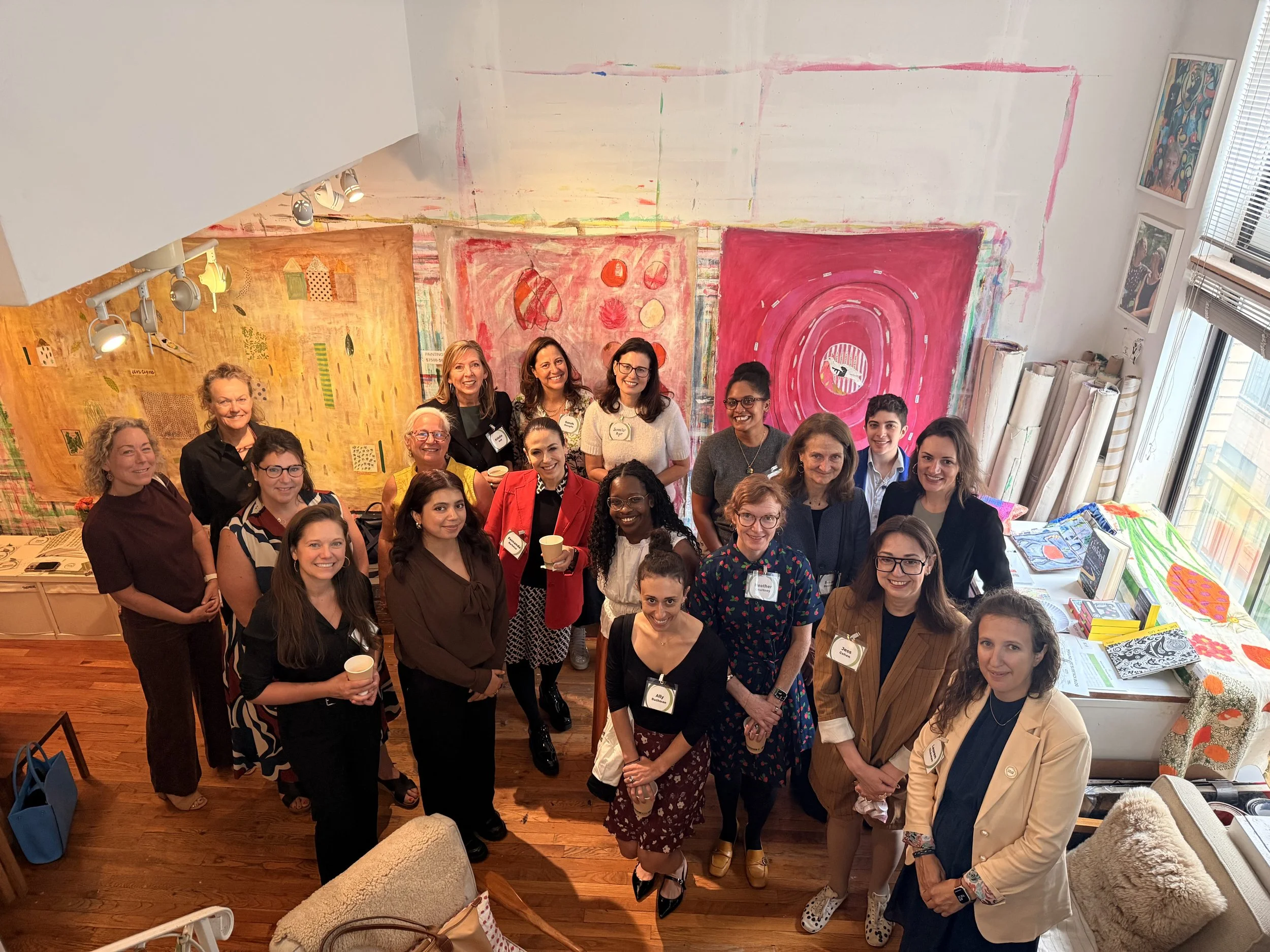
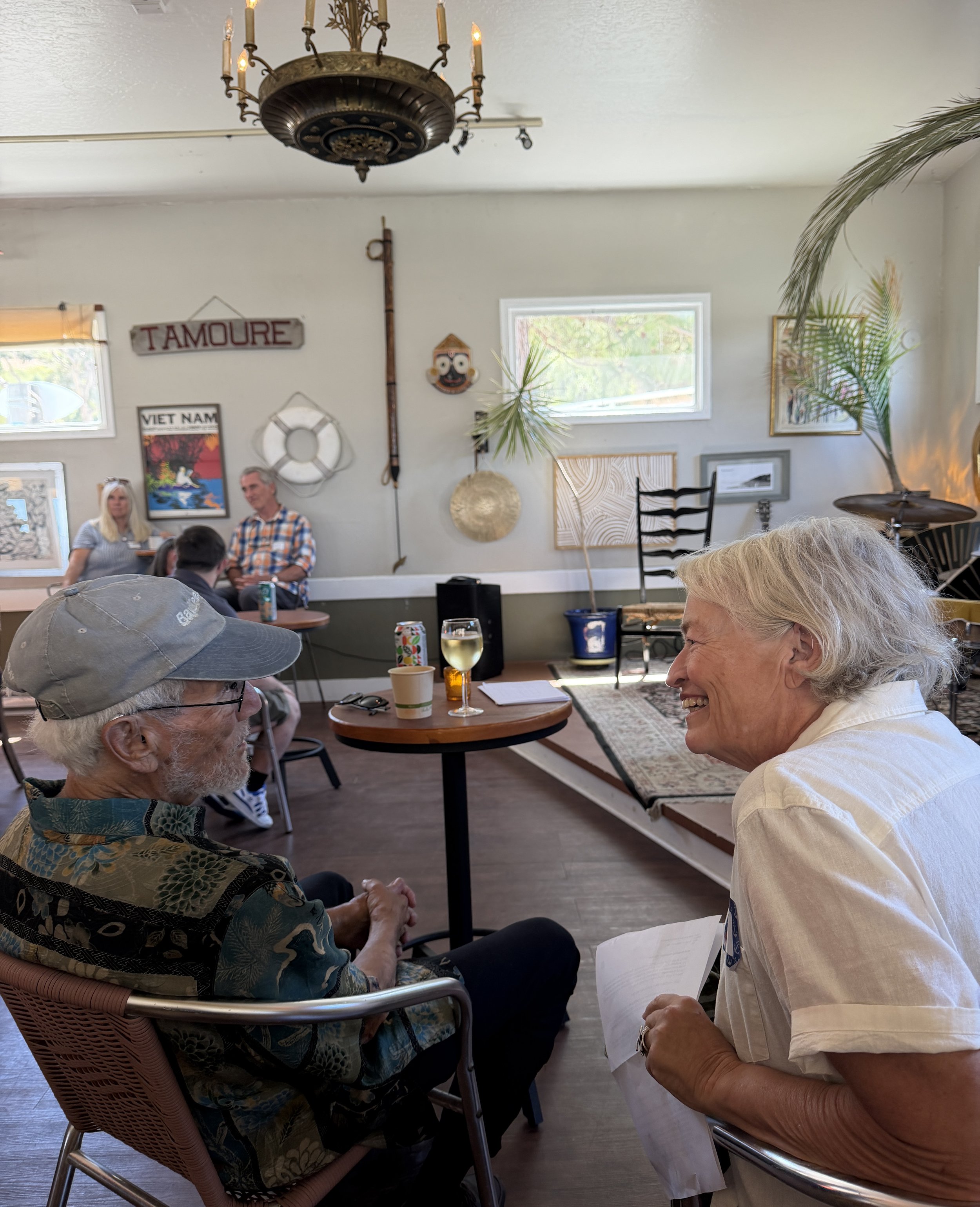
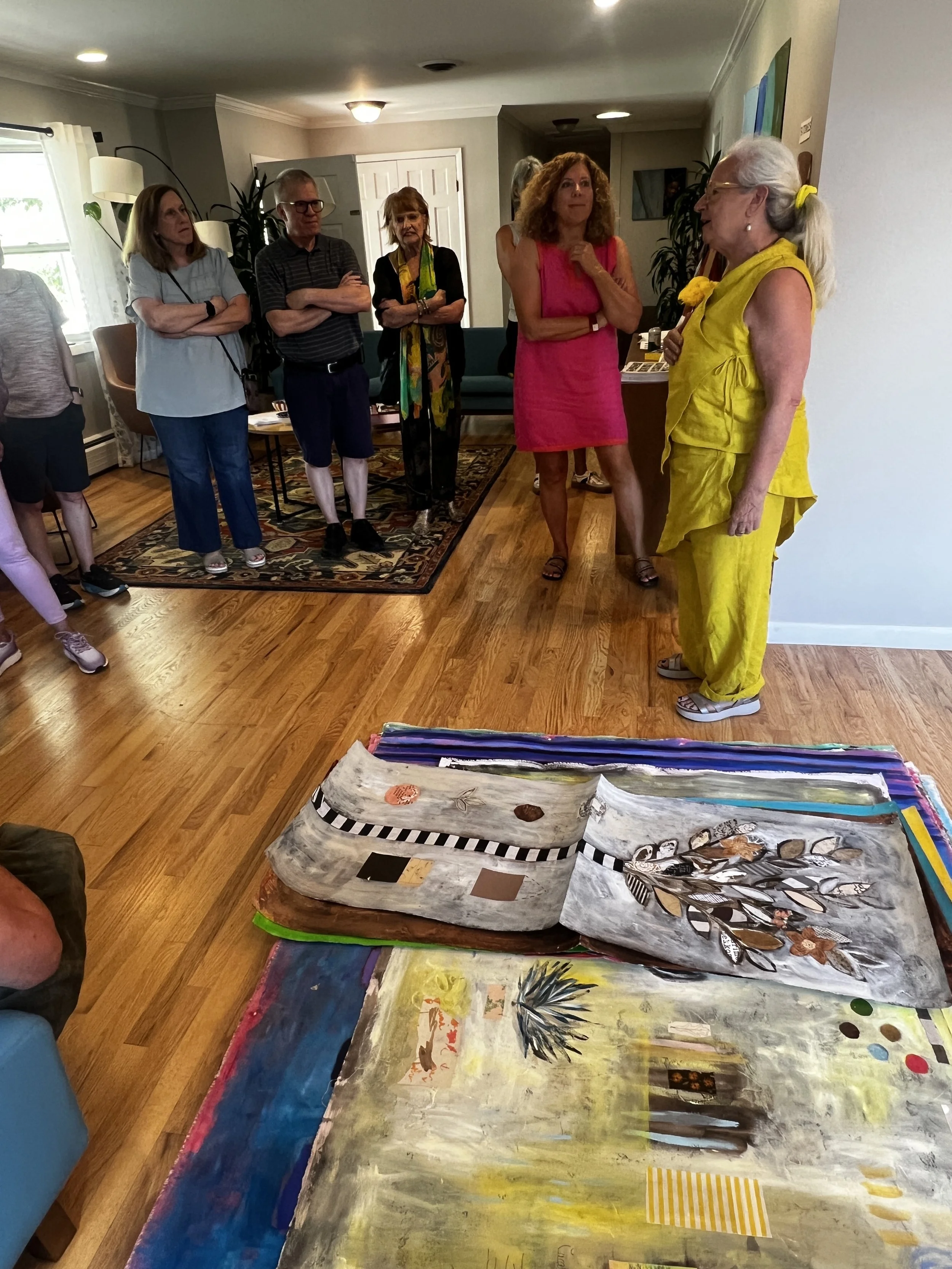
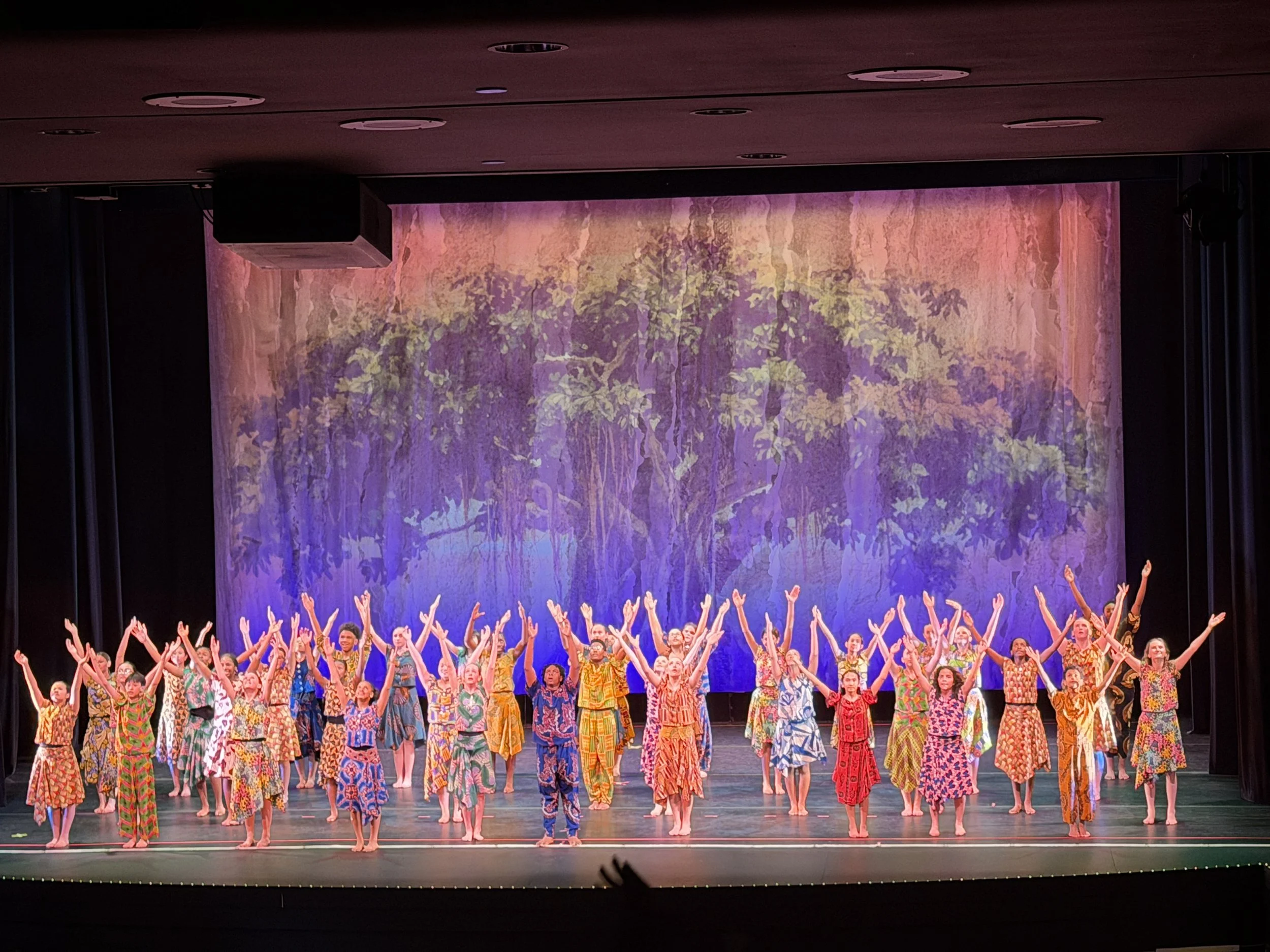
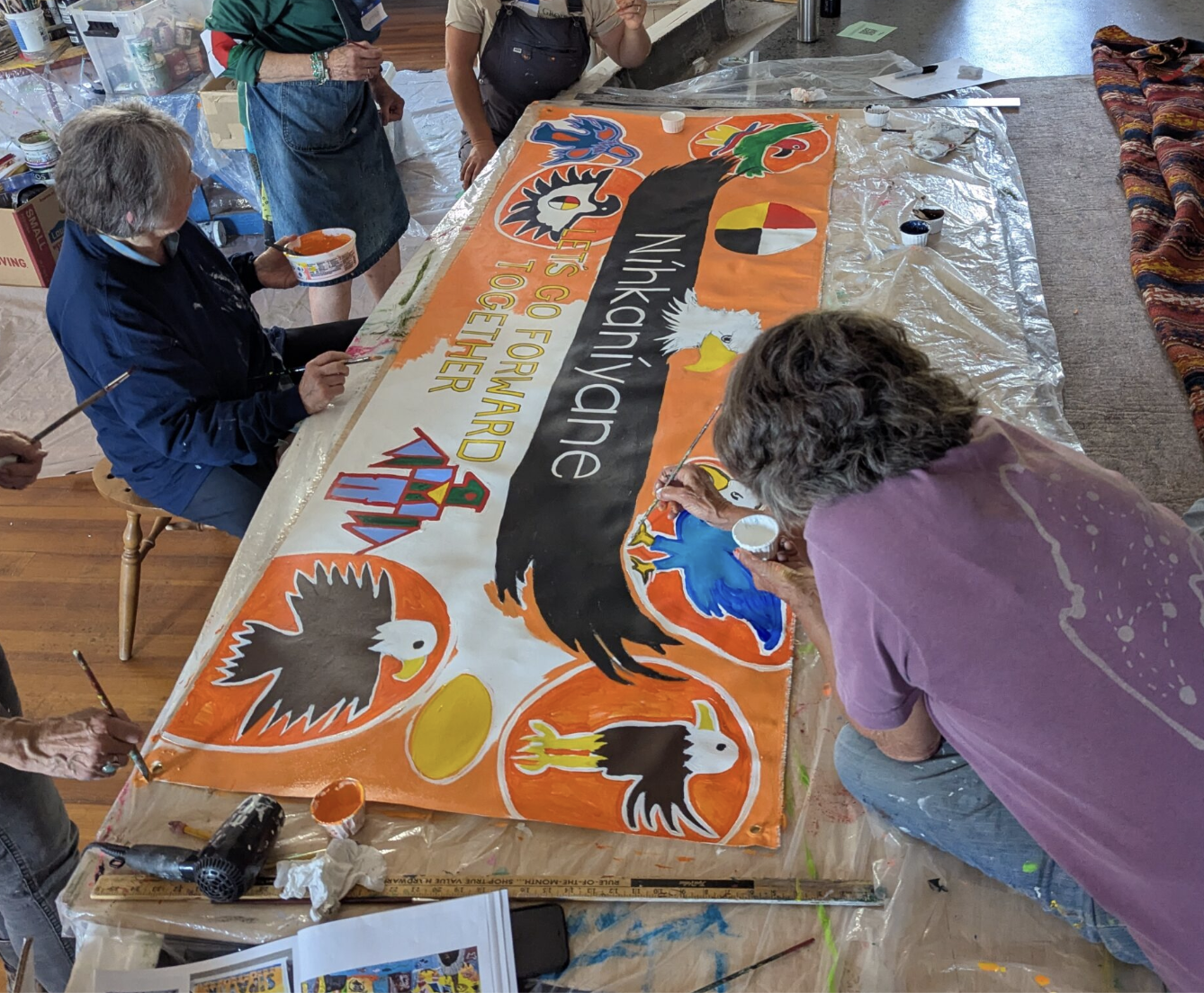
Young at Heart at their recent concert
This past week Young at Heart performed again in a new concert--the occasion being a celebration and welcome to the new branch of Young at Heart Chorus in New York City. Check it out--they perform such songs as Summer in the City, Carry On, I Want to be Sedated to name a few.
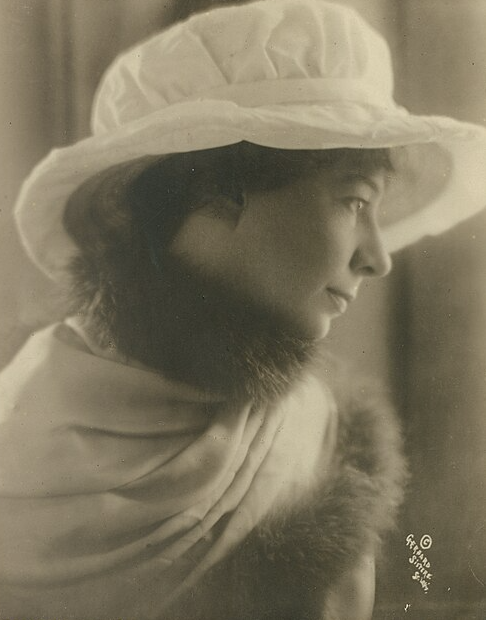
Shirley MacLaine
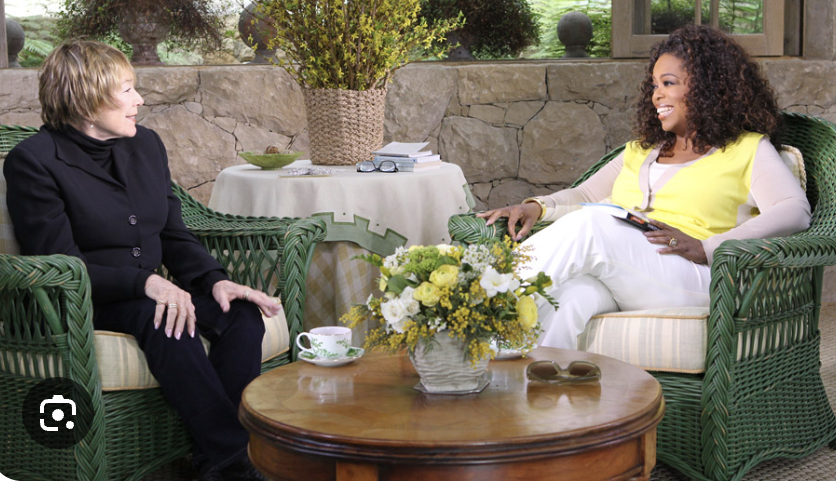
Shirley MacLaine
One thing she says she is sure about is that we are not alone in this universe and that people who are in her life now were also in it in past lives. She has learned the most about herself, she remarks, by the people that have hurt her the most. When Oprah asked her if she was proud of being a trailblazer, she hesitated. After being prodded, she finally said: “I am pleased with the fact that I saw a trail and I walked down it and didn’t know what I was going to find.”
On Turning 70
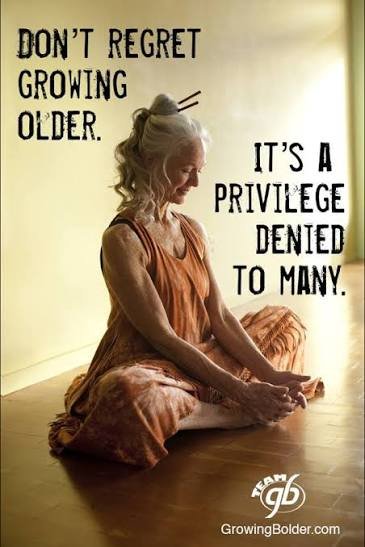
Although it specifies women, I think a lot of it applies to many of us as we age. It also could be good for the I young--"if I only knew then what I know now!"
THE JOY OF BEING A WOMAN IN HER 70s
by Mary Pipher
Originally printed in the New York Times
"When I told my friends I was writing a book on older women like us, they immediately protested, “I am not old.” What they meant was that they didn’t act or feel like the cultural stereotypes of women their age. Old meant bossy, useless, unhappy and in the way. Our country’s ideas about old women are so toxic that almost no one, no matter her age, will admit she is old. In America, ageism is a bigger problem for women than aging. Our bodies and our sexuality are devalued, we are denigrated by mother-in-law jokes, and we’re rendered invisible in the media. Yet, most of the women I know describe themselves as being in a vibrant and happy life stage. We are resilient and know how to thrive in the margins. Our happiness comes from self-knowledge, emotional intelligence and empathy for others. Most of us don’t miss the male gaze. It came with catcalls, harassment and unwanted attention. Instead, we feel free from the tyranny of worrying about our looks. For the first time since we were 10, we can feel relaxed about our appearance. We can wear yoga tights instead of nylons and bluejeans instead of business suits.
Yet, in this developmental stage, we are confronted by great challenges. We are unlikely to escape great sorrow for long. We all suffer, but not all of us grow. Those of us who grow do so by developing our moral imaginations and expanding our carrying capacities for pain and bliss. In fact, this pendulum between joy and despair is what makes old age catalytic for spiritual and emotional growth.
By our 70s, we’ve had decades to develop resilience. Many of us have learned that happiness is a skill and a choice. We don’t need to look at our horoscopes to know how our day will go. We know how to create a good day.
We have learned to look every day for humor, love and beauty. We’ve acquired an aptitude for appreciating life. Gratitude is not a virtue but a survival skill, and our capacity for it grows with our suffering. That is why it is the least privileged, not the most, who excel in appreciating the smallest of offerings.
Many women flourish as we learn how to make everything workable. Yes, everything. As we walk out of a friend’s funeral, we can smell wood smoke in the air and taste snowflakes on our tongues.
Our happiness is built by attitude and intention. Attitude is not everything, but it’s almost everything. I visited the jazz great Jane Jarvis when she was old, crippled and living in a tiny apartment with a window facing a brick wall. I asked if she was happy and she replied, “I have everything I need to be happy right between my ears.”
We may not have control, but we have choices. With intention and focused attention, we can always find a forward path. We discover what we are looking for. If we look for evidence of love in the universe, we will find it. If we seek beauty, it will spill into our lives any moment we wish. If we search for events to appreciate, we discover them to be abundant.
There is an amazing calculus in old age. As much is taken away, we find more to love and appreciate. We experience bliss on a regular basis. As one friend said: “When I was young I needed sexual ecstasy or a hike to the top of a mountain to experience bliss. Now I can feel it when I look at a caterpillar on my garden path.”
Older women have learned the importance of reasonable expectations. We know that all our desires will not be fulfilled, that the world isn’t organized around pleasing us and that others, especially our children, are not waiting for our opinions and judgments. We know that the joys and sorrows of life are as mixed together as salt and water in the sea. We don’t expect perfection or even relief from suffering. A good book, a piece of homemade pie or a call from a friend can make us happy. As my aunt Grace, who lived in the Ozarks, put it, “I get what I want, but I know what to want.”
We can be kinder to ourselves as well as more honest and authentic. Our people-pleasing selves soften their voices and our true selves speak more loudly and more often. We don’t need to pretend to ourselves and others that we don’t have needs. We can say no to anything we don’t want to do. We can listen to our hearts and act in our own best interest. We are less angst-filled and more content, less driven and more able to live in the moment with all its lovely possibilities.
Many of us have a shelterbelt of good friends and long-term partners. There is a sweetness to 50-year-old friendships and marriages that can’t be described in language. We know each other’s vulnerabilities, flaws and gifts; we’ve had our battles royal and yet are grateful to be together. A word or a look can signal so much meaning. Lucky women are connected to a rich web of women friends. Those friends can be our emotional health insurance policies.
The only constant in our lives is change. But if we are growing in wisdom and empathy, we can take the long view. We’ve lived through seven decades of our country’s history, from Truman to Trump. I knew my great-grandmother, and if I live long enough, will meet my great-grandchildren. I will have known seven generations of family. I see where I belong in a long line of Scotch-Irish ancestors. I am alive today only because thousands of generations of resilient homo sapiens managed to procreate and raise their children. I come from, we all come from, resilient stock, or we wouldn’t be here.""
By the time we are 70, we have all had more tragedy and more bliss in our lives than we could have foreseen. If we are wise, we realize that we are but one drop in the great river we call life and that it has been a miracle and a privilege to be alive.
Mary Pipher is a clinical psychologist in Lincoln, Neb., and the author of the forthcoming “Women Rowing North: Navigating Life’s Currents and Flourishing as We Age.”
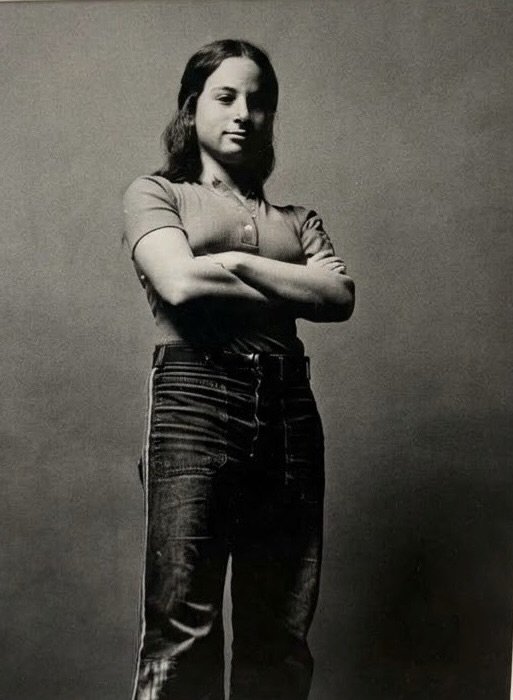
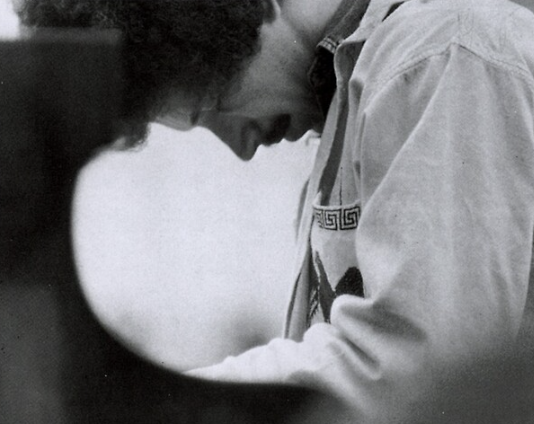
Me at 14. Photo by Stanford Smilow, my cool uncle (1929-2026).
Photo of the Week
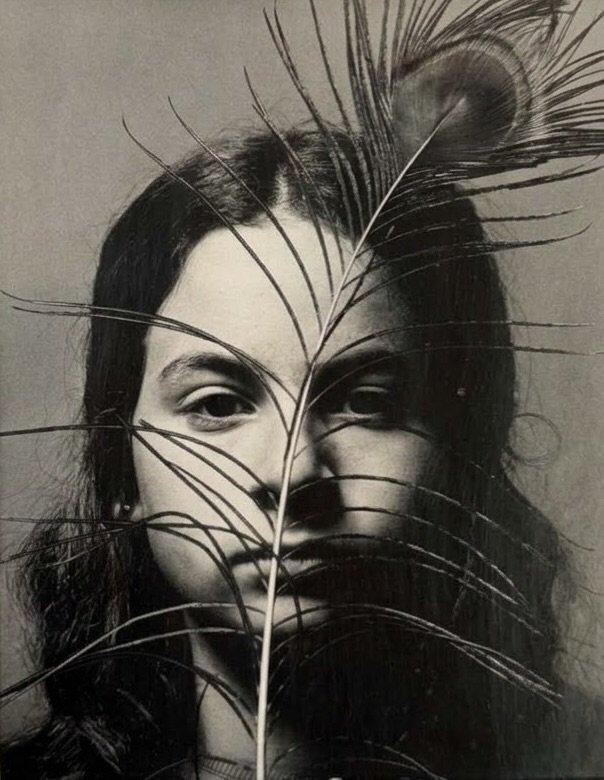
Photo by my uncle, Photographer Stanford Smilow (1929-2026).
Charity of the Week:

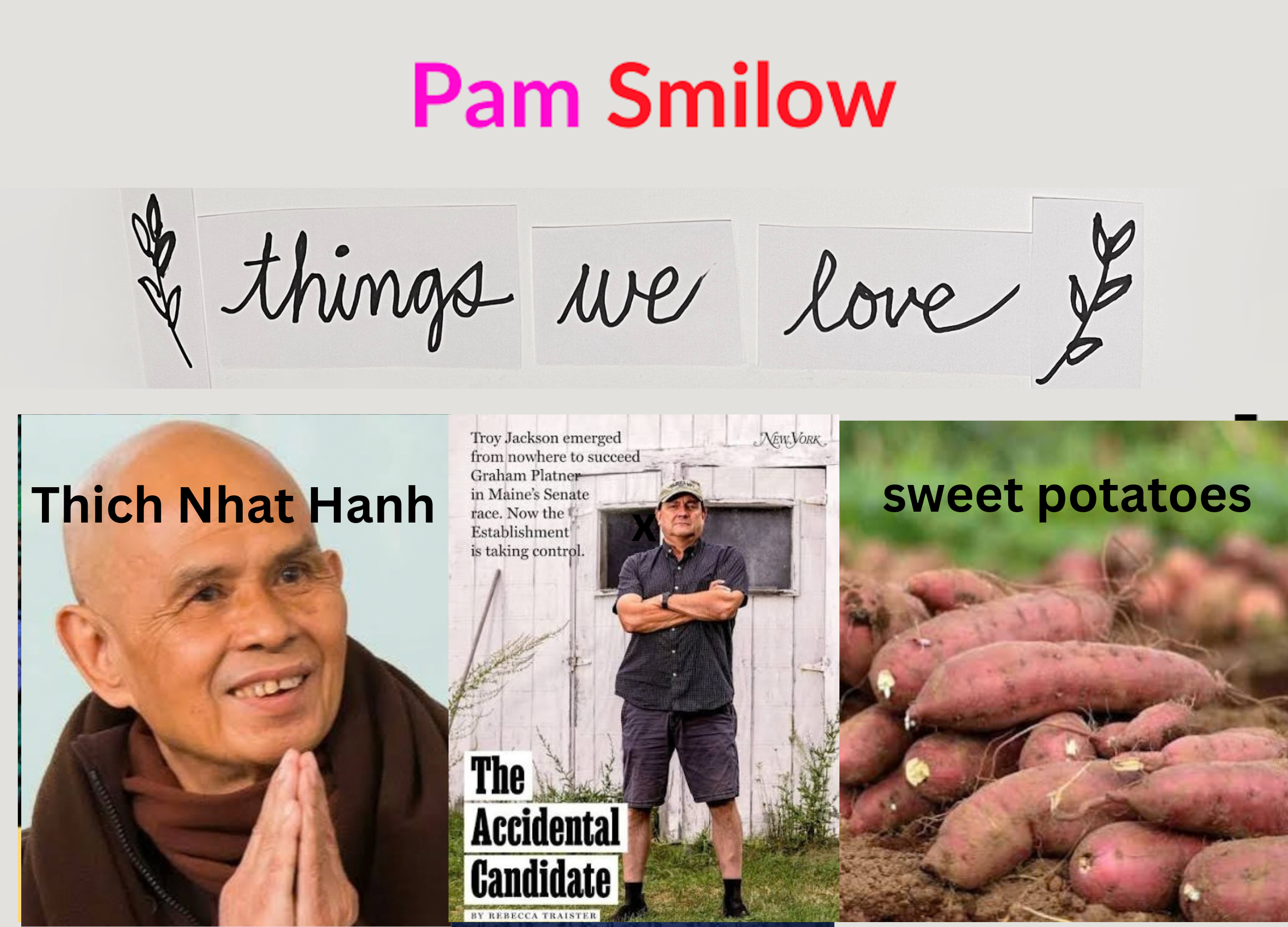
Please consider donating to Troy Jackson’s campaign in order to defeat Susan Collins. We need the help—money-wise, phone banking, canvassing, etc.

About The Author
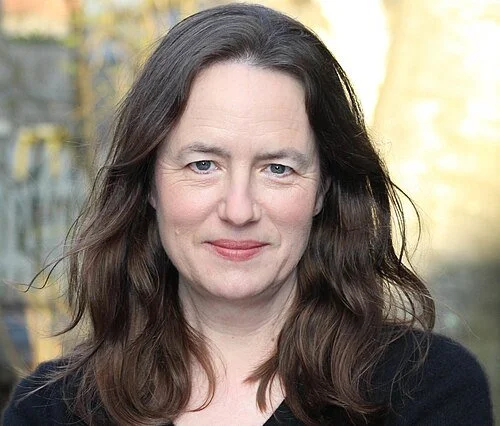
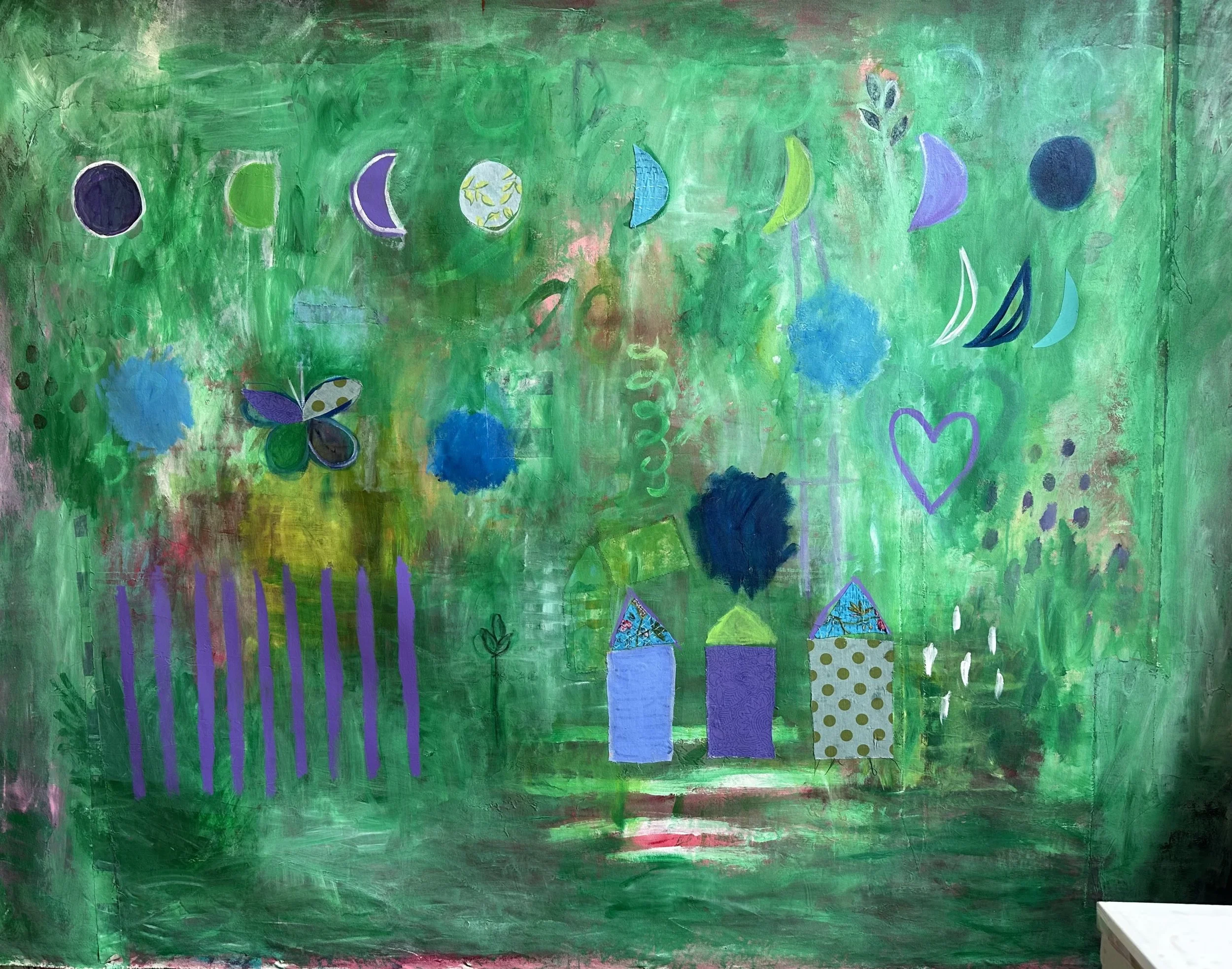
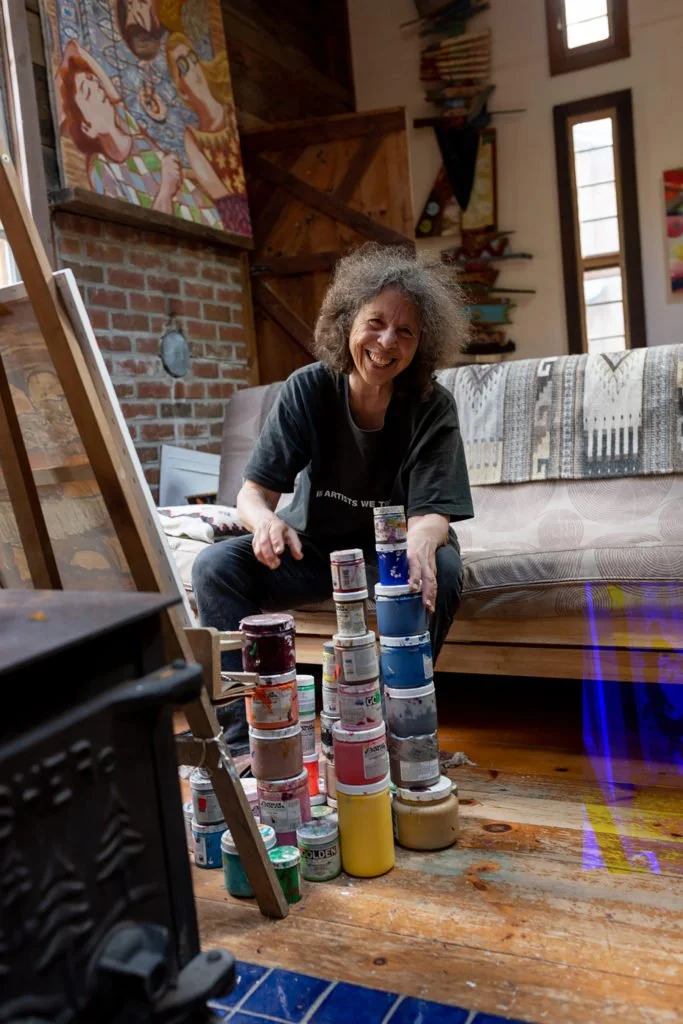
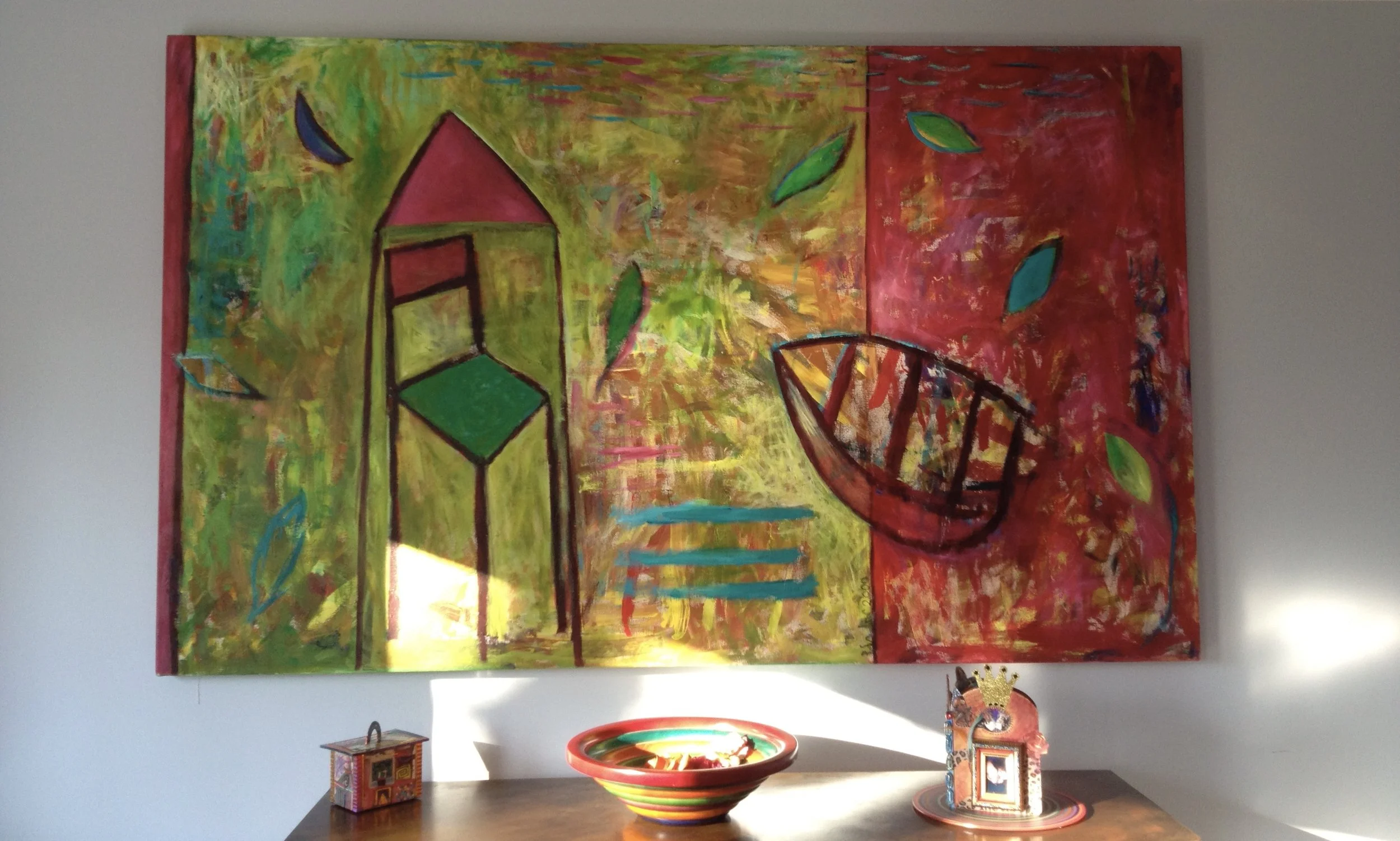
New York City based contemporary artist, Pam Smilow, began writing the creative lifestyle blog “things we love” in an effort to foster a sense of community during times of isolation and reflection. To read more about her and her art, visit her website and check out the essay written by Frank Matheis entitled The Sophisticated Innocence of Pam Smilow.