Kwa Mbae Boy
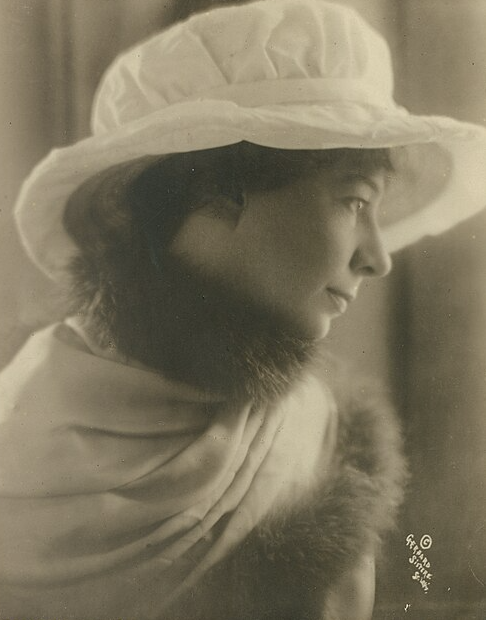
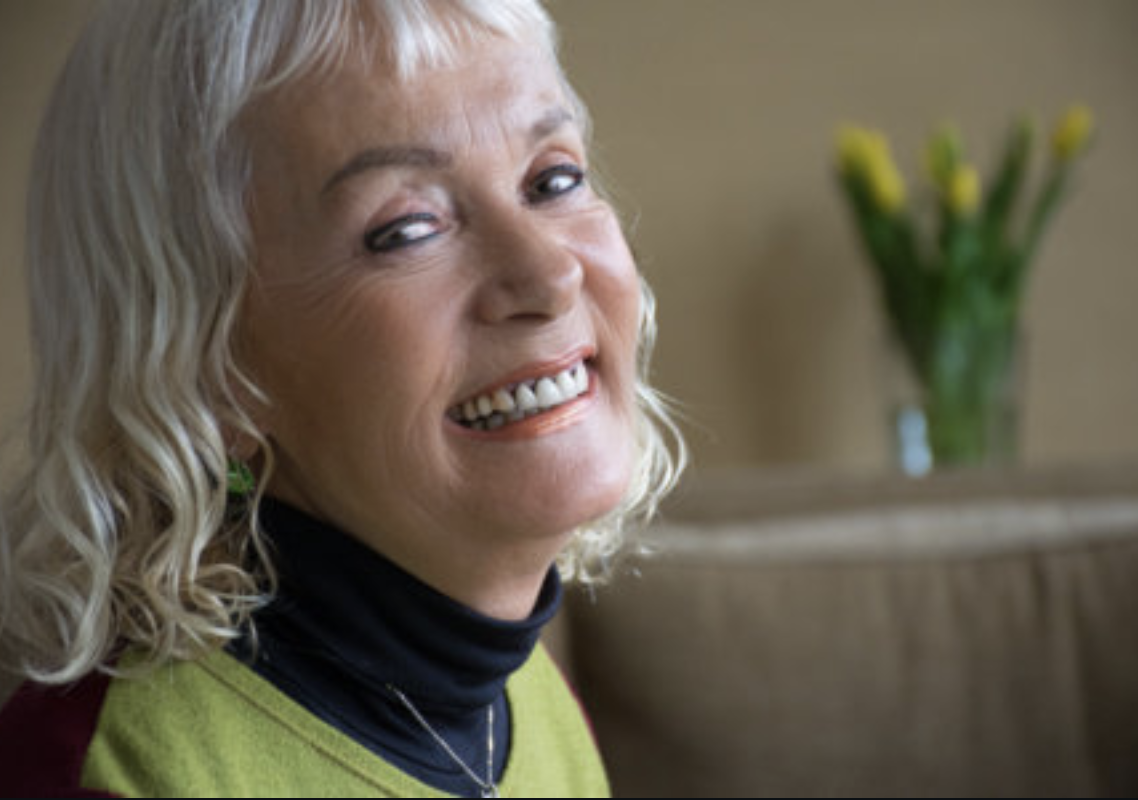
Courtesy Michael Sellers
I follow Michael Sellers on Substack. His newsletter Deeper Look with Michael Sellers is informative and always worth the read. Sellers is a kind of renaissance man, having worked across many fields as a filmmaker, non-fiction author of many books and as a CIA agent for ten years operating in Eastern Europe, Africa, Moscow, and the Philippines. I was initially drawn to his substack by his reporting on Russia and the relationship between our president and Putin.
One of his latest posts really uplifted me to the point that I asked his permission to include it in my blog here. It is long and I have taken the liberty of editing it a bit but stick with it until the music at the end--it might just restore a little bit of your faith in people...
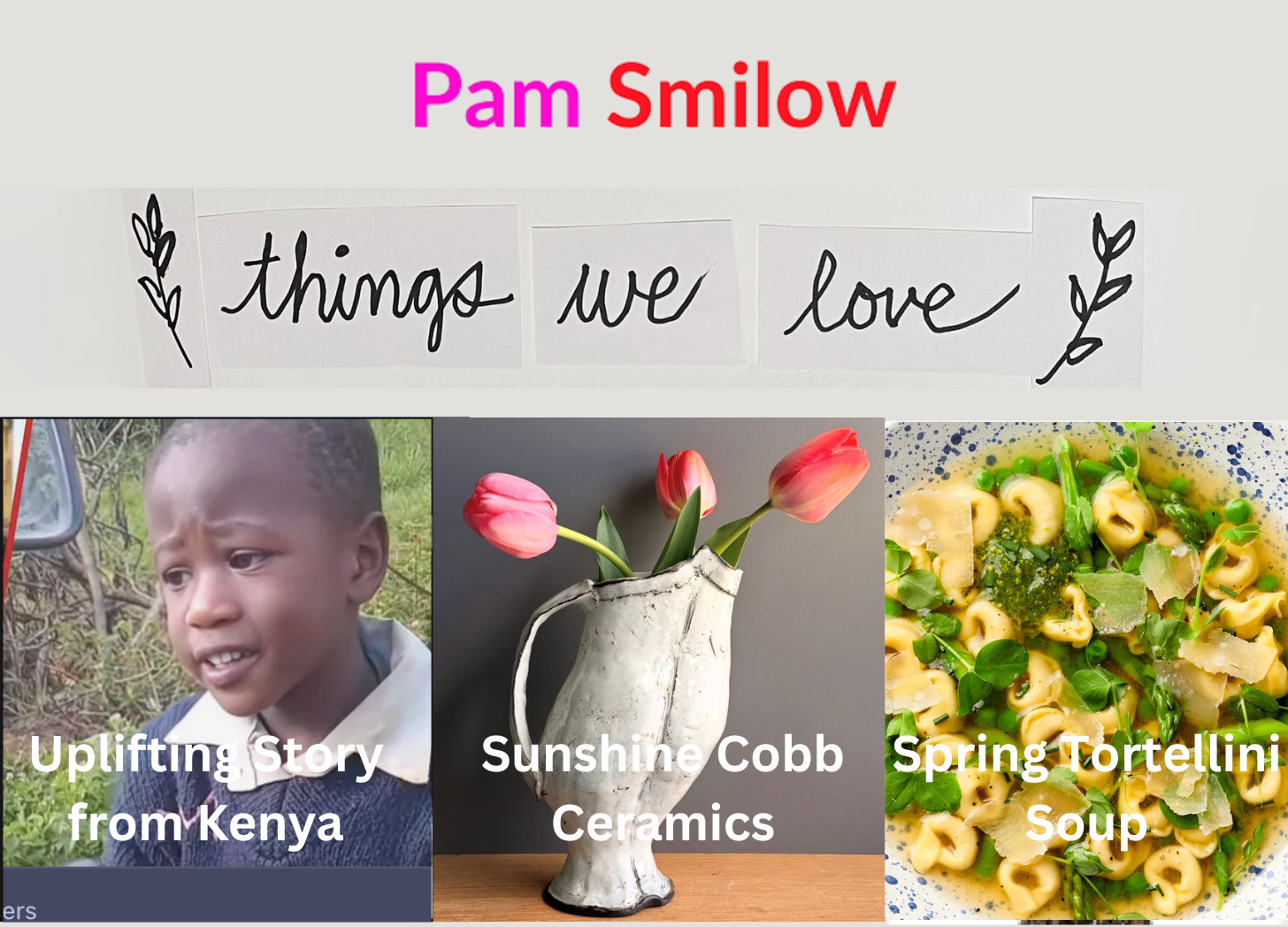
Here is the story that Seller's Kenyan wife Abby recounted to him--something that took place locally in her area of Kenya, that recently went viral on TikTok. It is a beautiful story, all about the innocence of a little boy and the wonders of community. I hope it uplifts you, as it did us.
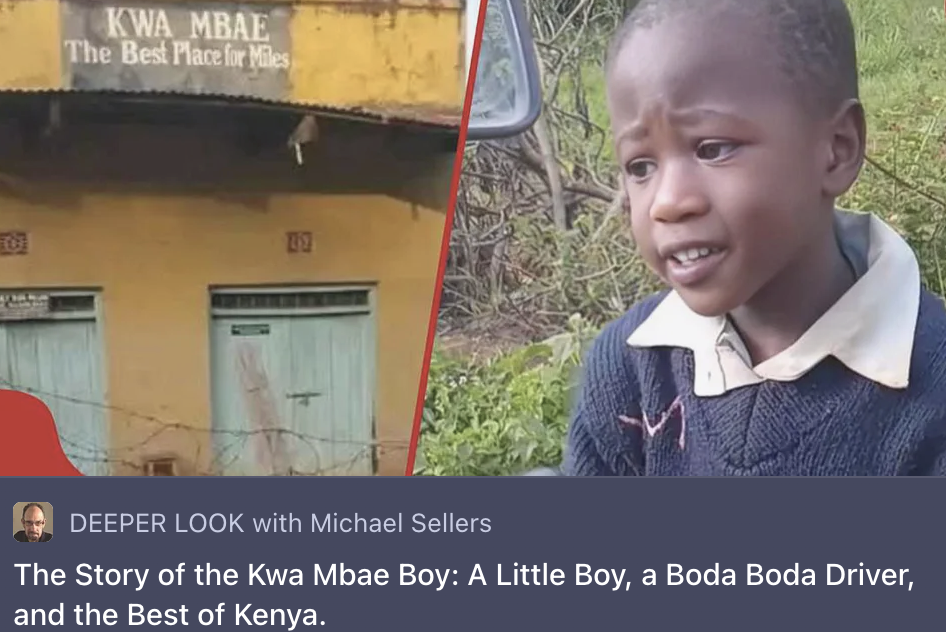
THE KWA MBAE BOY
excerpted from Substack's Deeper Look by Michael Sellers
"It begins on a quiet afternoon in rural Meru. Rural Kenya is not jungles, by the way. It’s savannah and farmlands — driving into the countryside there reminds me of driving through the two land blacktops of Alabama where I grew up — farms on either side of the, occasional pine forests, cows, yes lots of cows.
A small boy stands by the roadside. A stranger asks for directions. The boy answers with absolute seriousness, pointing, gesturing, explaining with the confidence of someone who knows exactly where he is and exactly how the world around him is arranged.
Here’s the video.
(It’s a Tiktok embed — I hope it plays here for everyone.)*
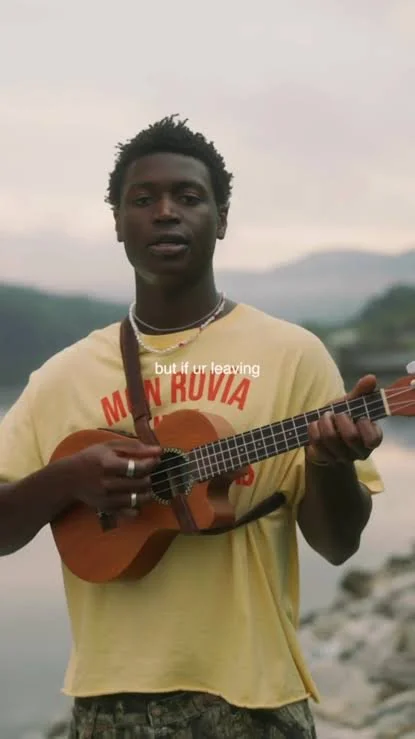
His name is Musa Kihara, though by now much of Kenya knows him simply as the “Kwa Mbae” boy.
The clip is simple. That is part of its magic. Nothing dramatic happens. No one planned it. No one staged it. A boy is asked for directions, and he does his best.
“Unajua kwa Mbae?”
“Do you know Mbae’s place?”
You don’t have to speak Swahili to understand the charm of it, but the words help.
“Hapo, hapo, unaona ukifika hapo kwa Mbae, alafu hapo kwa akina Monda. Unajua hio side ya uncle Mureithi, hapo katikati, nitakuonyesha.”
In English:
“Over there, over there. When you reach Mbae’s place, then near the Mondas’ place. You know the side where Uncle Mureithi is? Right in between there — I’ll show you.”
That is not Google Maps. That is Kenya Maps. And Kenyans recognized themselves in the way the little boy gave directions.
It is a way of giving directions rooted not in street signs but in people, homes, families, memory, and local knowledge. You go past Mbae’s place. Then near the Mondas. Then toward Uncle Mureithi’s side. Somewhere in between, the boy will show you.
It is funny because it is so specific and so familiar—and here he is, only five, but with all that community knowledge on display. It is touching because he is so small and yet so assured. And it is memorable because, without meaning to, this little boy captured something larger than himself.
Social media picked it up almost instantly. Musa’s voice became a TikTok sound. The phrase spread. People laughed. They remixed it. They repeated it. “Kwa Mbae” became one of those national in-jokes that needs almost no explanation once it takes hold.
But then something deeper happened.
Kenyans began asking: who is this boy?
Not as a slogan. Not as a meme. As a child.
People noticed what he was wearing. The torn pants. The muddy shoes. The visible signs that life had not been easy. And instead of just laughing and moving on, people wanted to know more.
TikTokers began going to his village. They found Musa. They brought him clothes and shoes. They met his family. And then the story opened up.
Musa’s family, it turned out, was carrying a heavy burden. His brother was in the hospital with a serious illness, reported as throat cancer. His father was also sick and in the hospital. His mother was trying to hold everything together.
Here’s the brother in hospital, with a Tiktoker.
And this is where the story becomes something more than a viral clip.
In another country, perhaps, the boy might have become a joke for a day. A meme, a sound, a few million views, then gone. But in Kenya, the laughter turned into concern. Concern turned into visits. Visits turned into donations. Donations turned into a movement.
The Gen Z overlay matters here, because Kenya’s Gen Z knows how to move a story. They know how to turn a clip into a campaign, a phrase into a gathering point, a tender public moment into real-world action.
And they did.
What followed was not a government program. It was not a corporate campaign. It was not an NGO rollout. It was people. Ordinary people. Young people. TikTokers. Well-wishers. Neighbors. Strangers. Kenyans who saw a boy by the roadside and decided, almost as one, that he belonged to them.
Money was raised. Clothes were bought. Medical bills were addressed. Promises of longer-term help began to come in. People sang. People danced. People traveled. People gave.
...Thousands of people traveled to Musa’s home area. Reports put the crowd at easily more than 20,000. Whatever the final number, the images tell the story: a huge gathering, music, celebration, people surrounding this little boy who had done nothing more than help a stranger find the way.
A child who began the week standing by a roadside was now being welcomed like a small national hero.
Not because he was powerful. Not because he was famous in the ordinary sense. Not because he had performed or demanded anything.
Because he was helpful. Because he was innocent. Because he was charming. Because people saw him and recognized something good.
And maybe that is why the story has stayed with me.
At a time when so much public life feels poisoned, Musa’s story feels like a reminder from somewhere else — or maybe from some older part of ourselves — that people are still capable of sudden generosity. Still capable of affection. Still capable of being united by something other than anger.
A young child provided the spark. Kenya provided the answer.
And somewhere in that simple question — “Unajua kwa Mbae?” — there is more than a request for directions. There is a map of another kind: toward community, toward tenderness, toward the possibility that people can still see one another and respond with love.
I haven’t done justice to the story. I know that.
But maybe the videos will do what words can’t. The music, the laughter, the crowd, the little boy pointing down the road — all of it says something I needed to hear.
There is still goodness out there.
This week, for me, it came from Kenya.
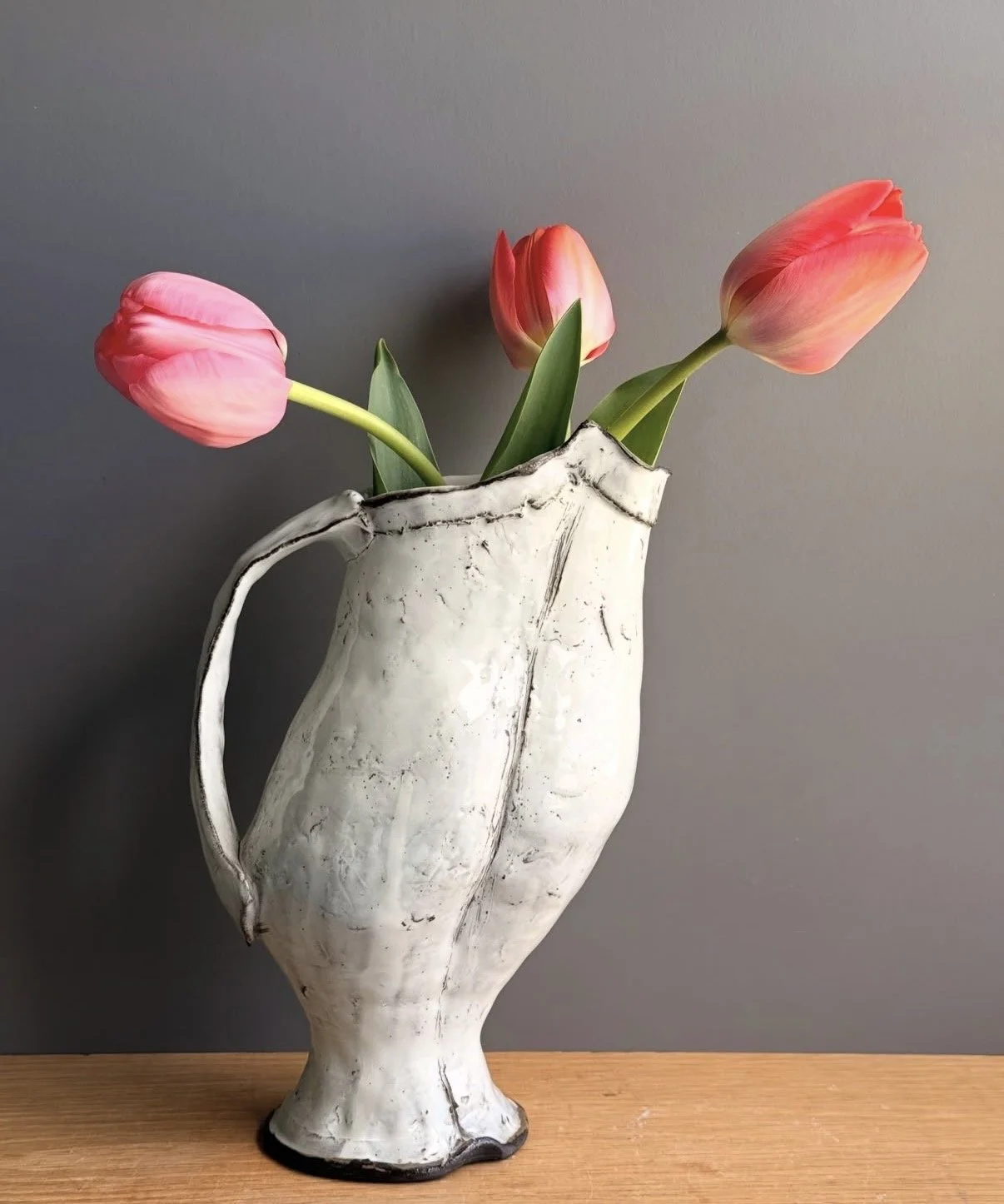
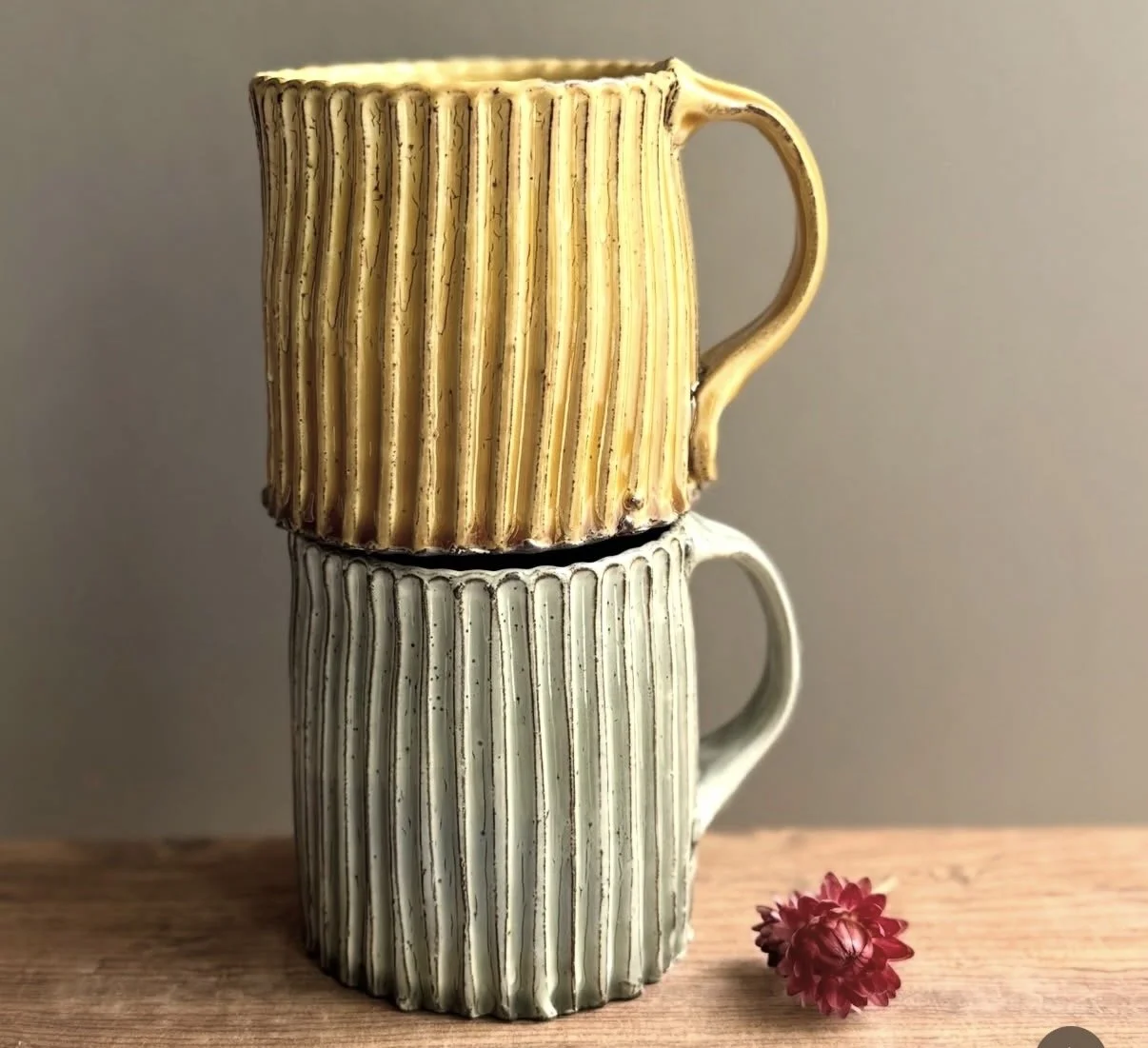
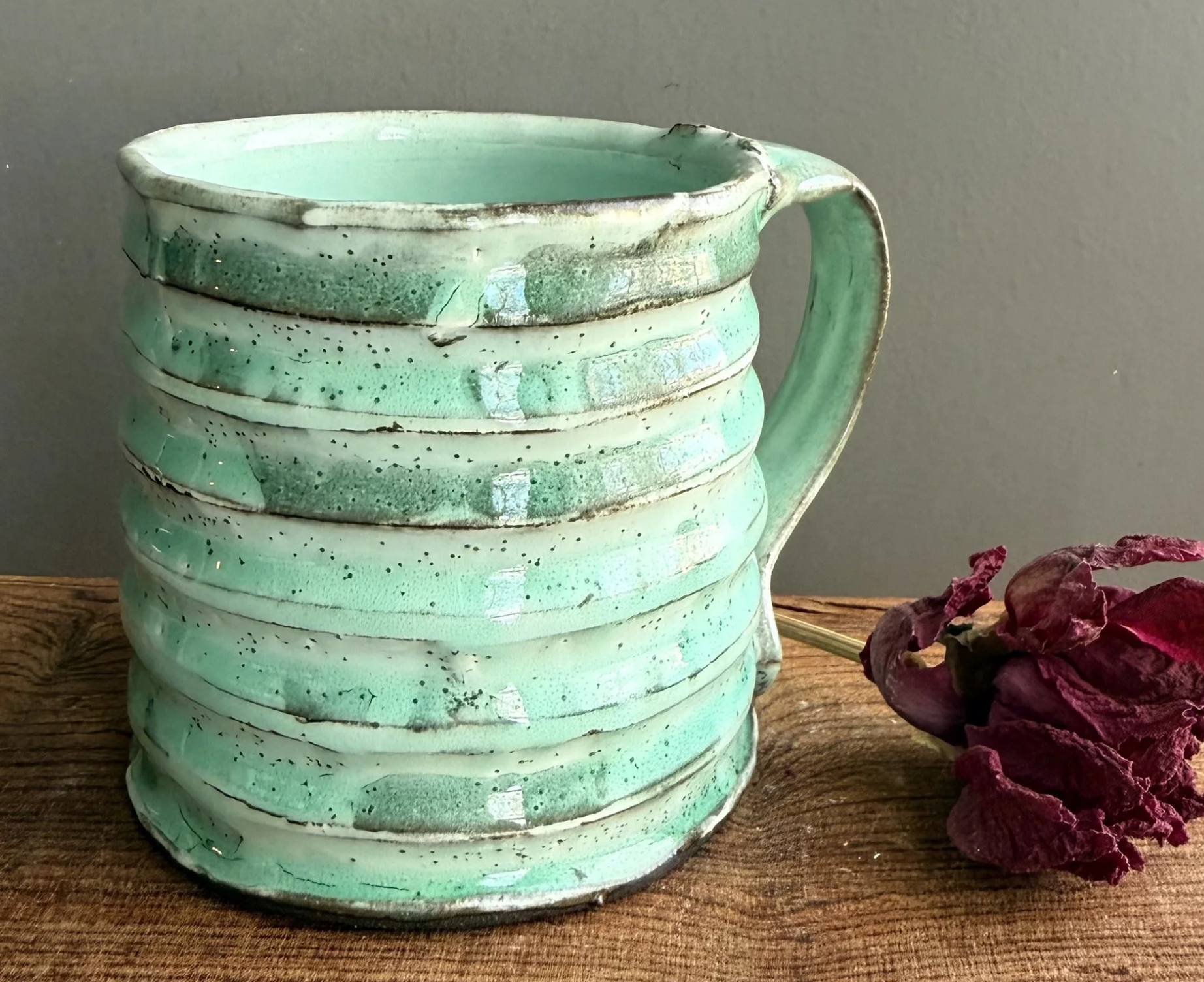
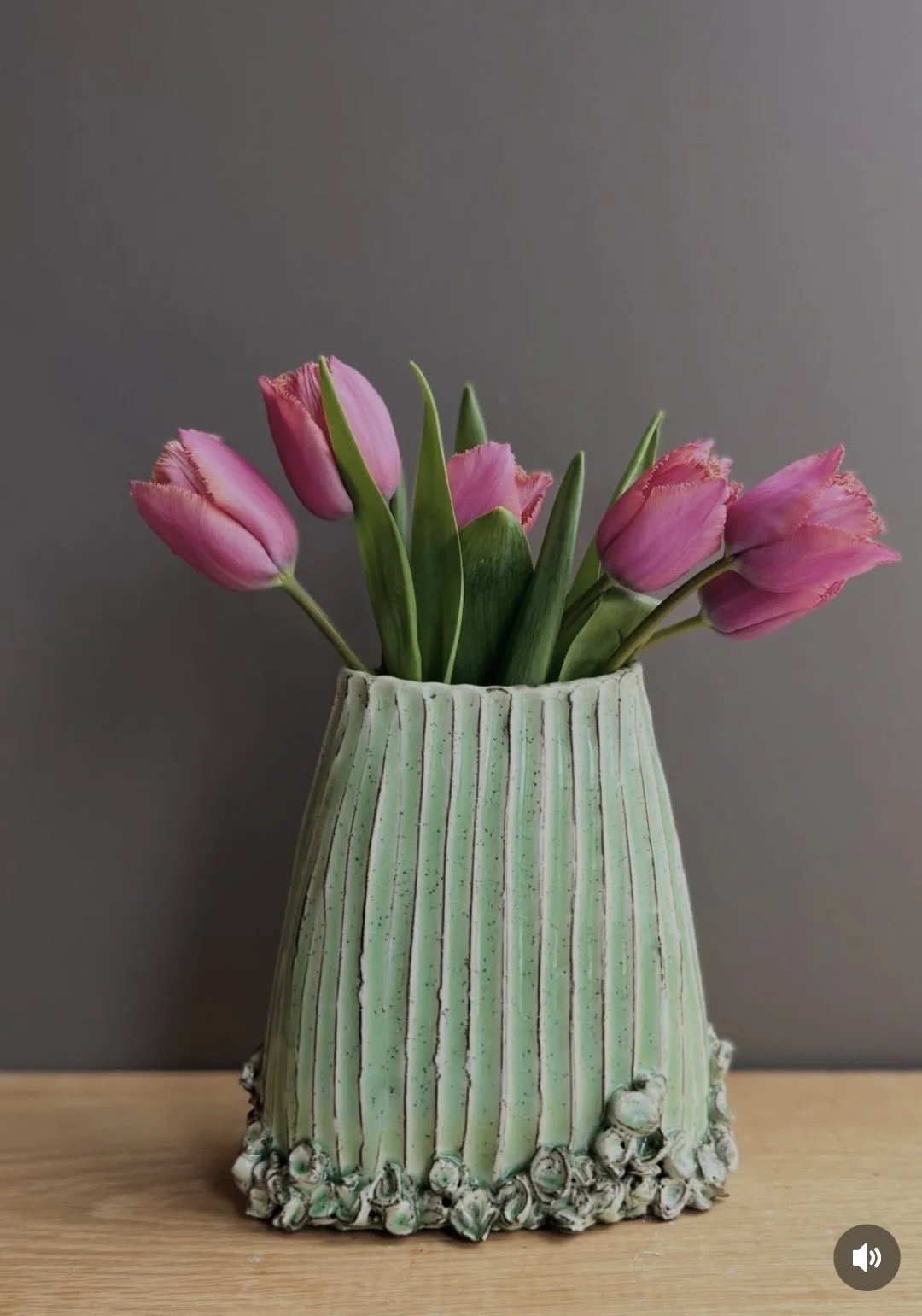
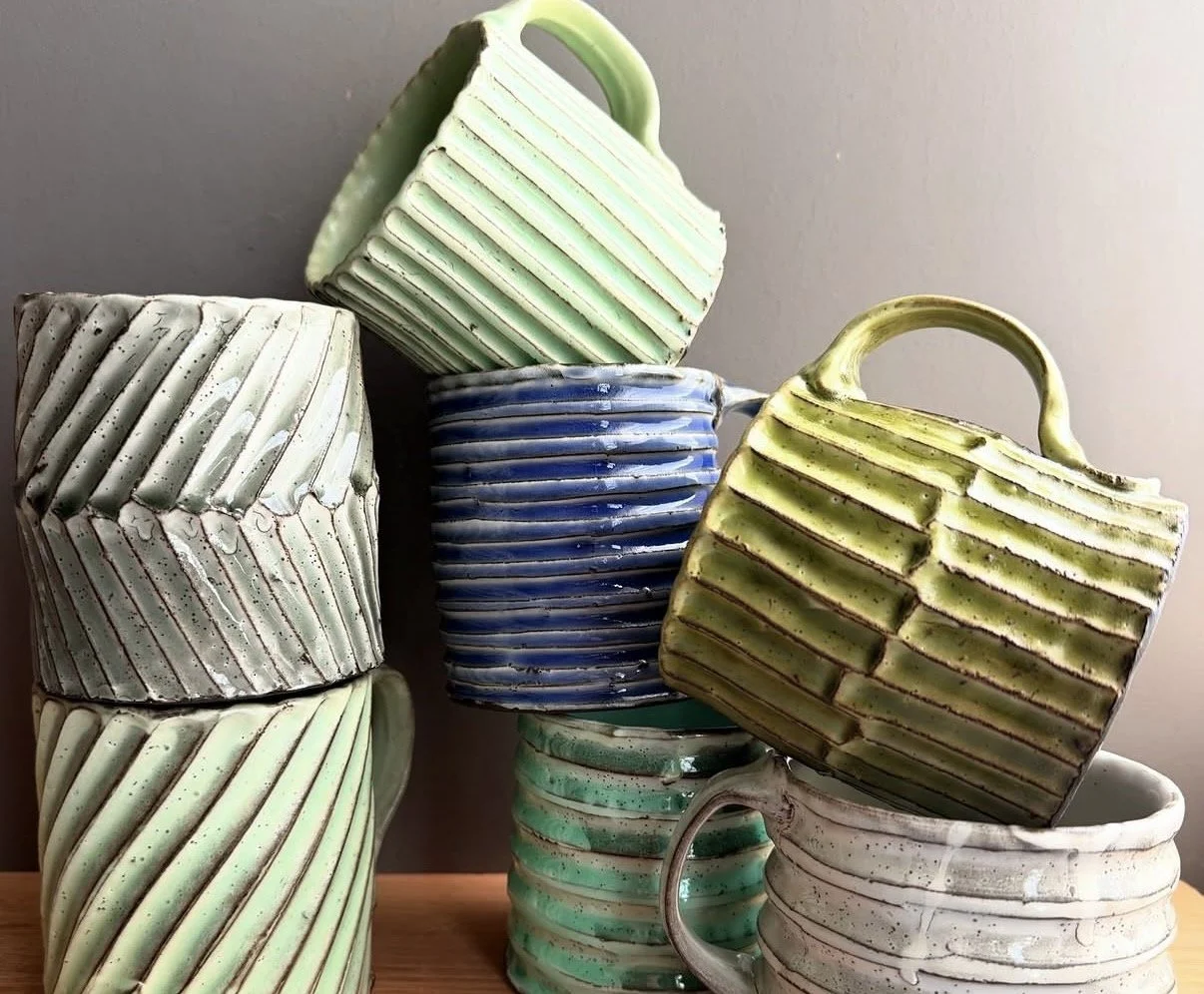
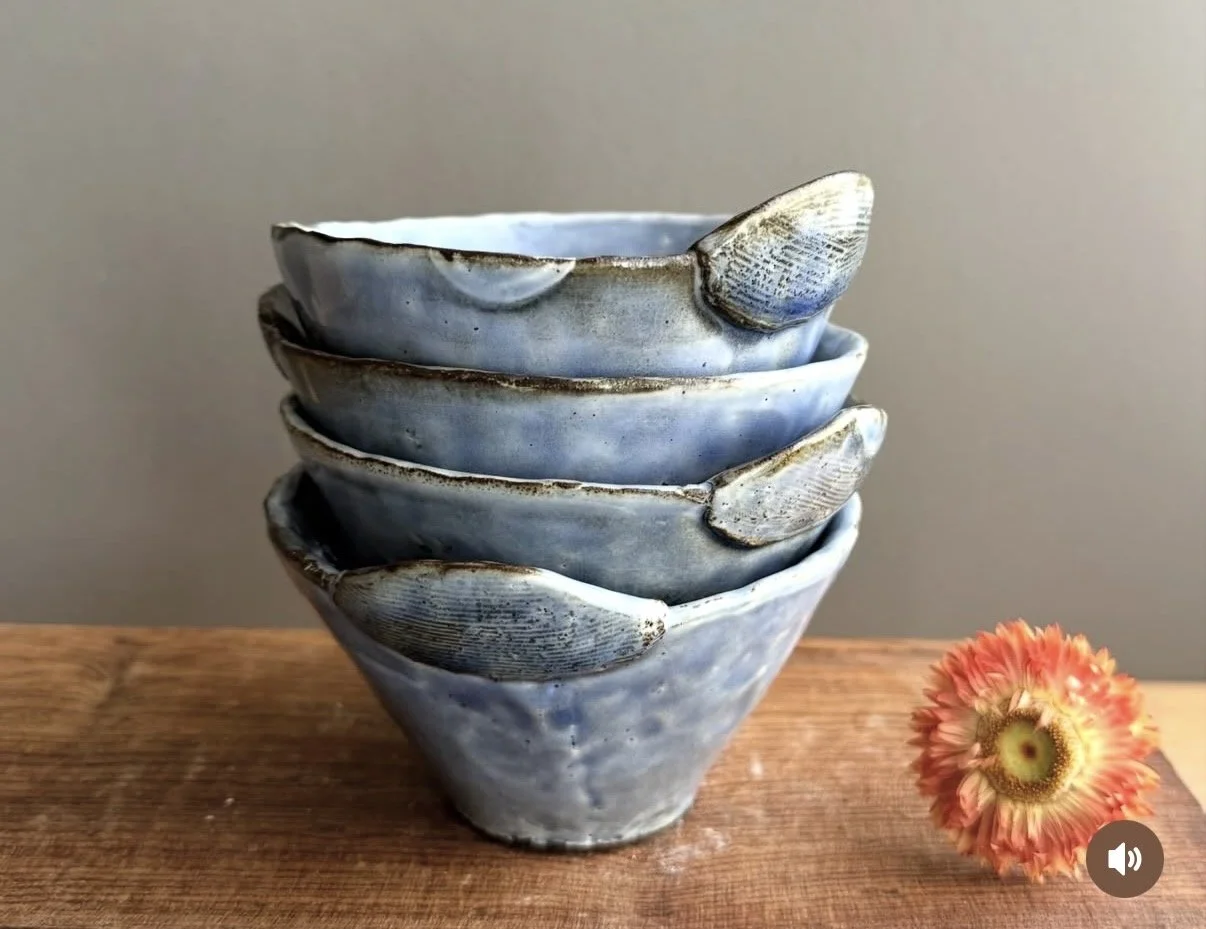
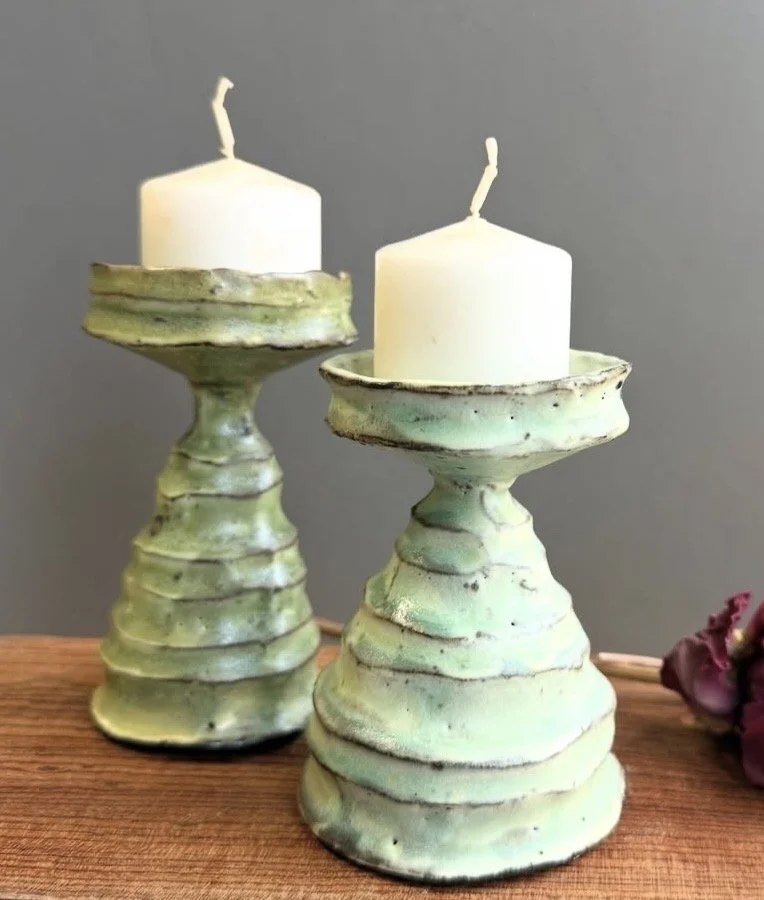
Sunshine Cobb Ceramics
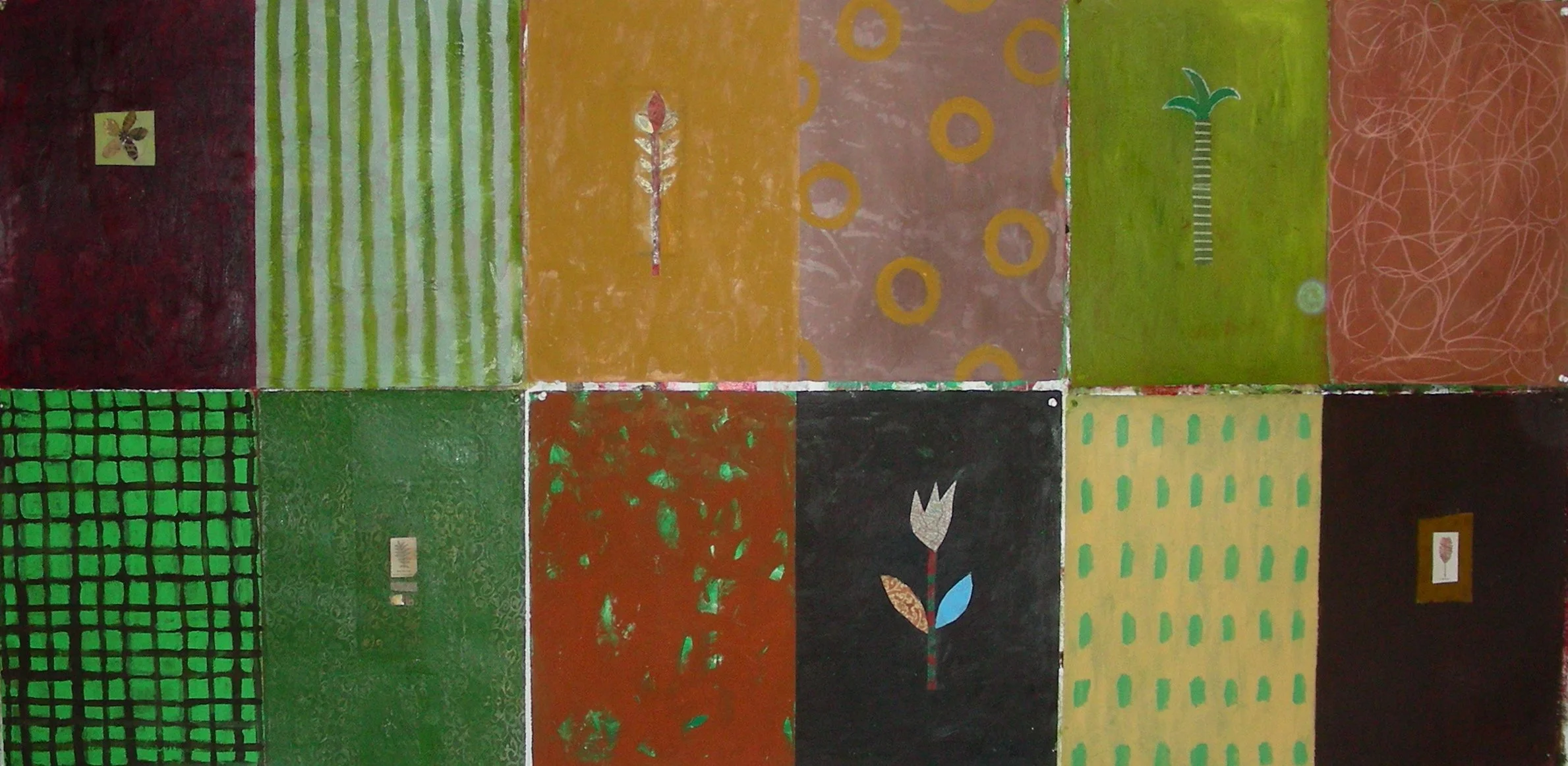
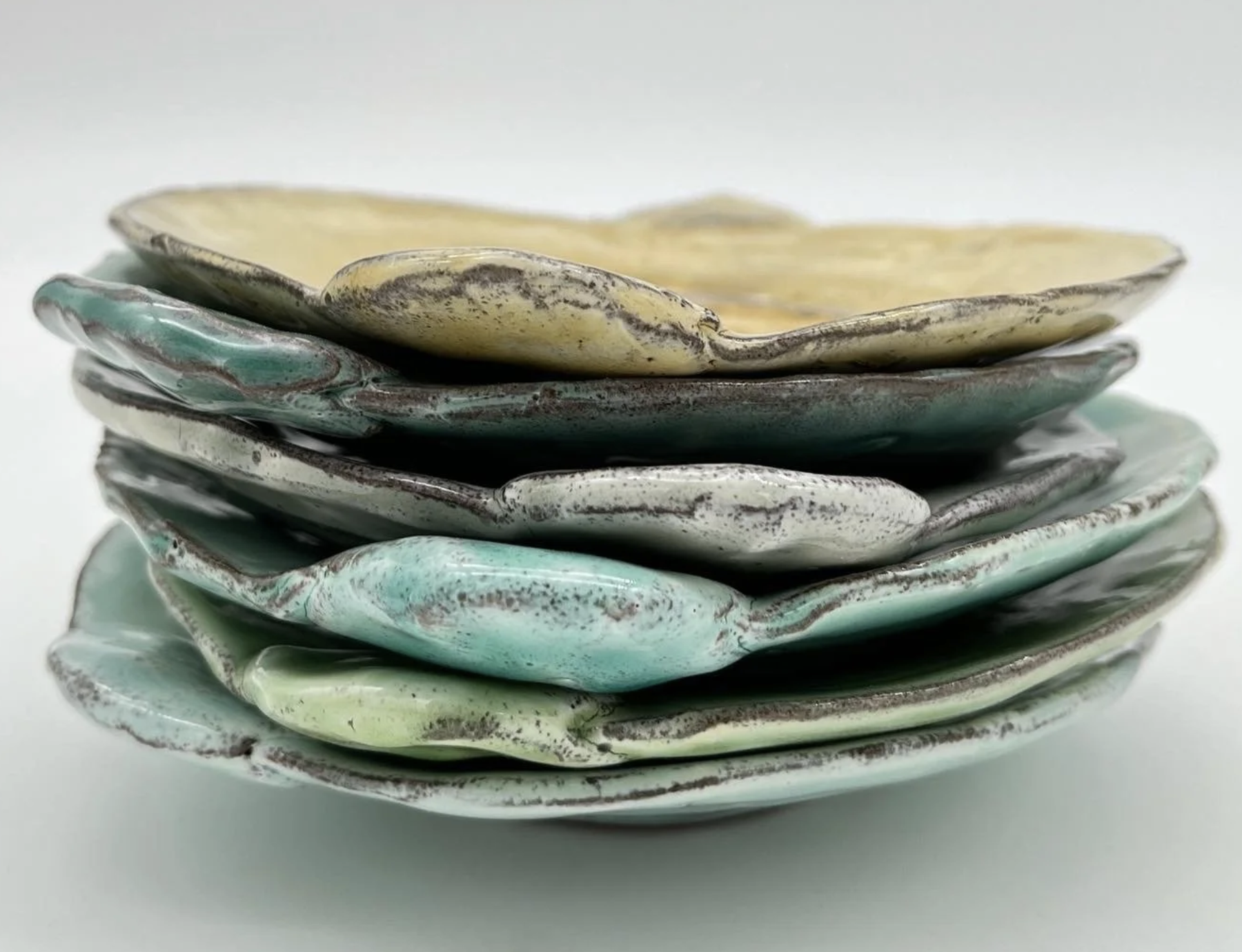
Sunshine Cobb’s ceramics are raw, the shapes are beautiful and well thought out, the glazes are matte and hit the perfect tone of color—just the way I like it. She is not afraid to show her process and both her wheel and hand built pieces strike the right note of technical ability but without the pursuit of tight perfection…
Based in Helena, Montana, Sunshine has been active in the ceramics world for decades. She has a thriving studio practice, wrote two of the definitive books in the field and gives workshops across the country.
Here are some more examples of her work
To see more of her work, check out her instagram.
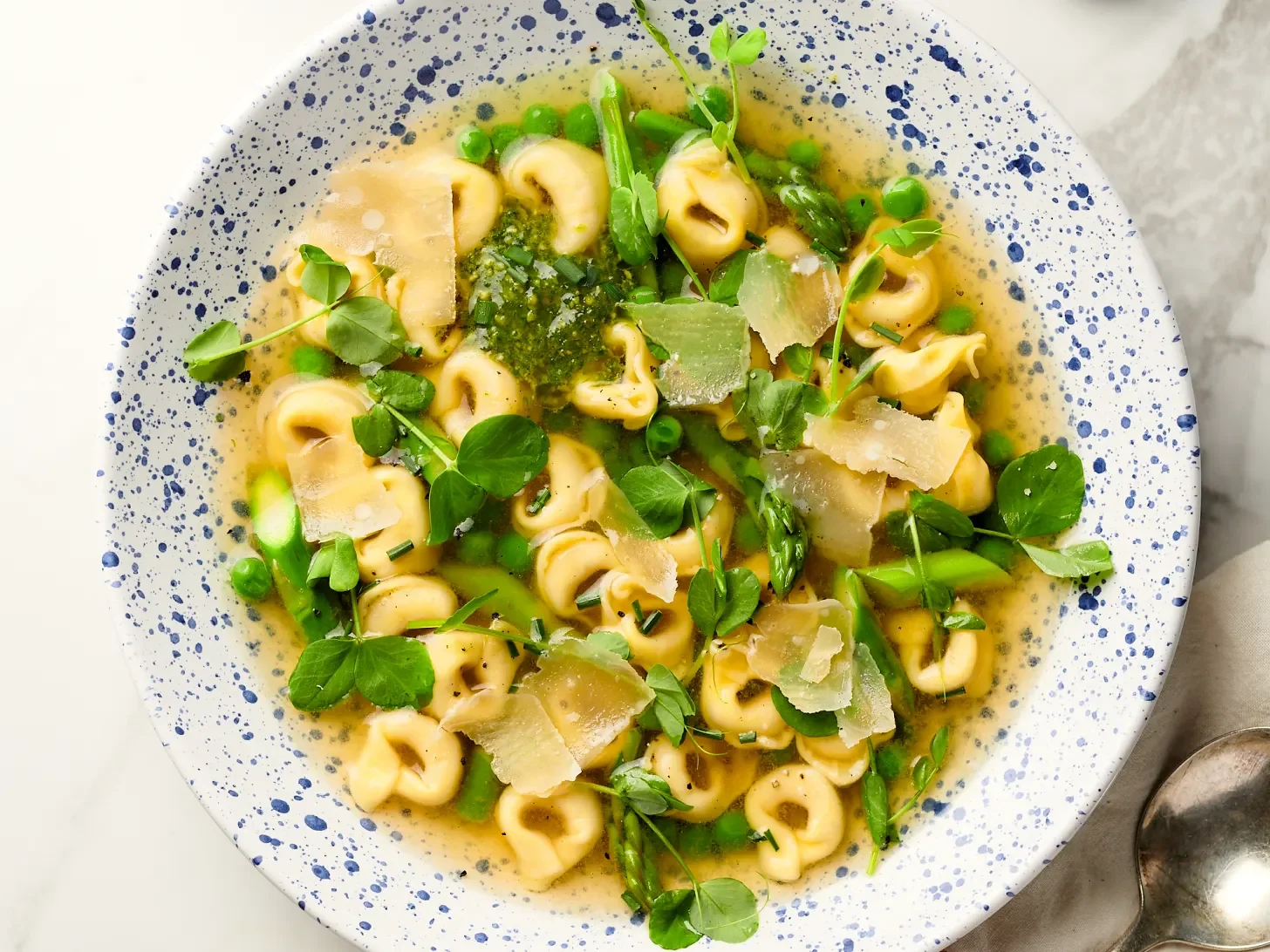
Spring Tortellini Soup
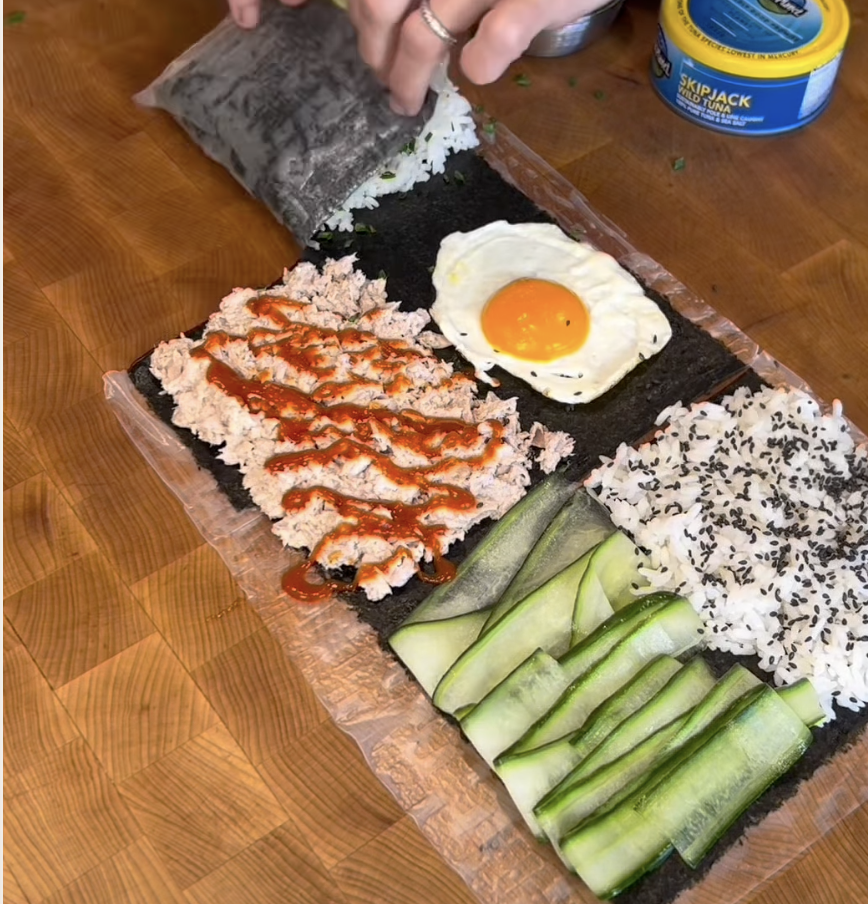
Spring Tortellini Soup With Peas and Asparagus, Courtesy Amelia Rampe, a NYC-based food stylist, food writer & recipe developer.Here also is the link to her substack.
INGREDIENTS:
4 medium scallions or spring onions
4 cloves garlic
10 cups homemade chicken stockor store-bought low-sodium chicken or vegetable broth
1 (1-ounce or larger) Parmesan cheese rind (the larger the rind, the bigger the flavor)
1 large sprig fresh parsley
1 pound asparagus
1/2 teaspoon kosher salt, plus more as needed
1/4 teaspoon freshly ground black pepper, plus more as needed
1 cup frozen peas
1 (12 to 14-ounce) package fresh or frozen cheese tortellini
SERVING OPTIONS:
* Basil pesto
* Pea leaves
* Parmesan cheese
* Lemon wedges
INSTRUCTIONS
1. Chop off the whites of 4 medium scallions or spring onions (reserve the greens for another use or slice and use for garnish). Crush 4 garlic cloves with the flat of your knife. Place both in a large pot or Dutch oven. Add 10 cups stock or broth, 1 Parmesan rind, and 1 large fresh parsley sprig.
2. Cover and bring to a simmer over medium heat. Uncover and simmer until the flavors meld, 30 to 35 minutes. Meanwhile, trim off the woody ends of the asparagus, then cut crosswise into 1 to 2-inch pieces.
3. Using a slotted spoon, remove the scallions, garlic, Parmesan rind, and parsley and discard. Add 1/2 teaspoon kosher salt and 1/4 teaspoon black pepper to the broth. Taste and season with more salt and pepper as needed.
4. Bring the broth back to a boil. Add 1 package tortellini and cook according to package instructions. About 2 minutes before the pasta is cooked, add the asparagus and 1 cup frozen peas. Simmer until the vegetables are bright green and crisp-tender, 2 to 3 minutes.
5. Remove from the heat. Serve hot with a small dollop of pesto, a garnish of pea leaves, shaved Parmesan cheese, and lemon wedges if desired.
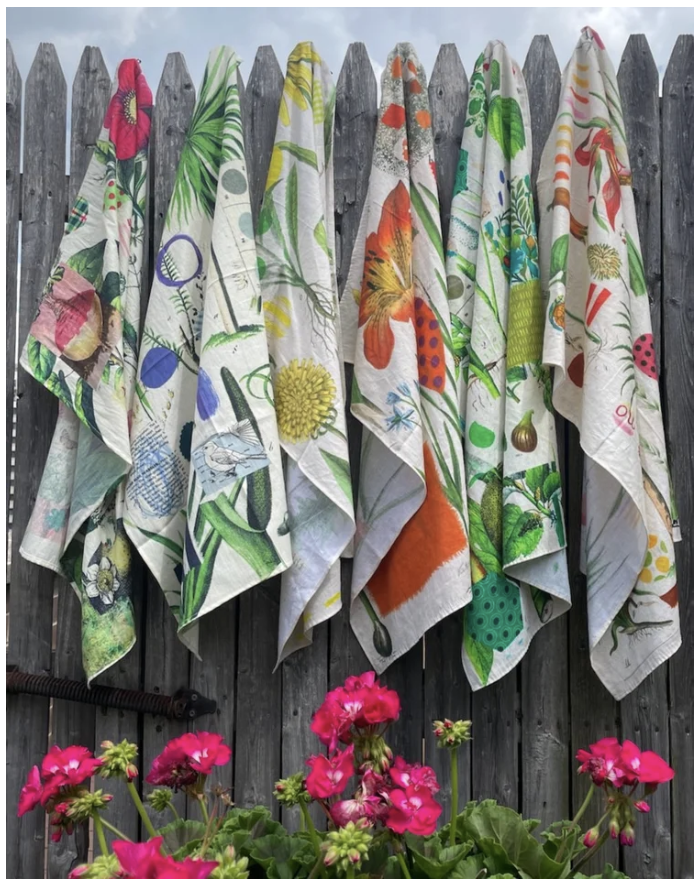
Products of the Week for Mother's Day
Charity of the Week:
ACLU
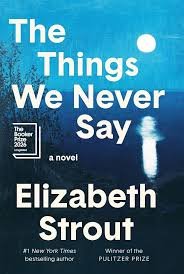
Book of the Week
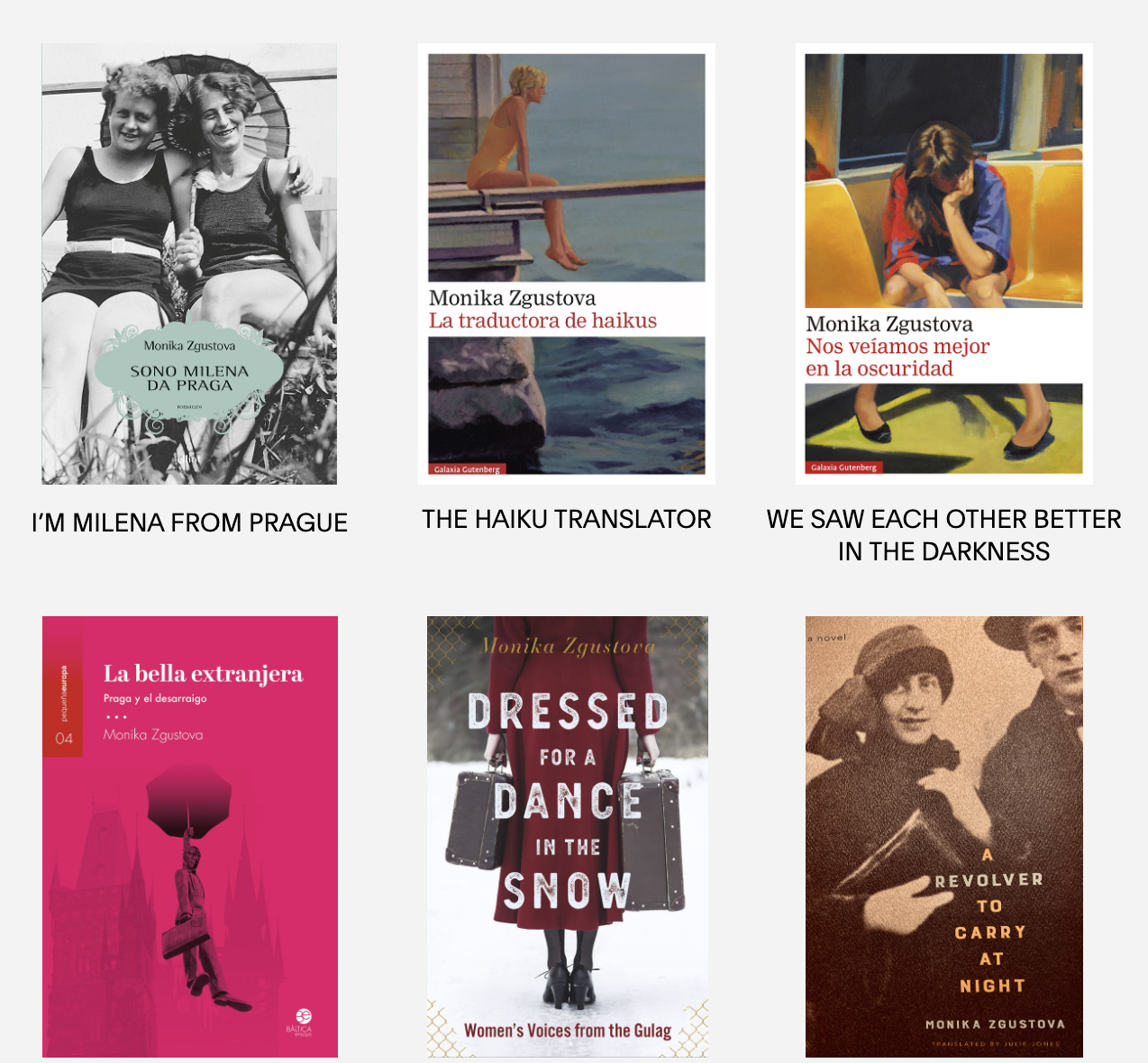
About The Author
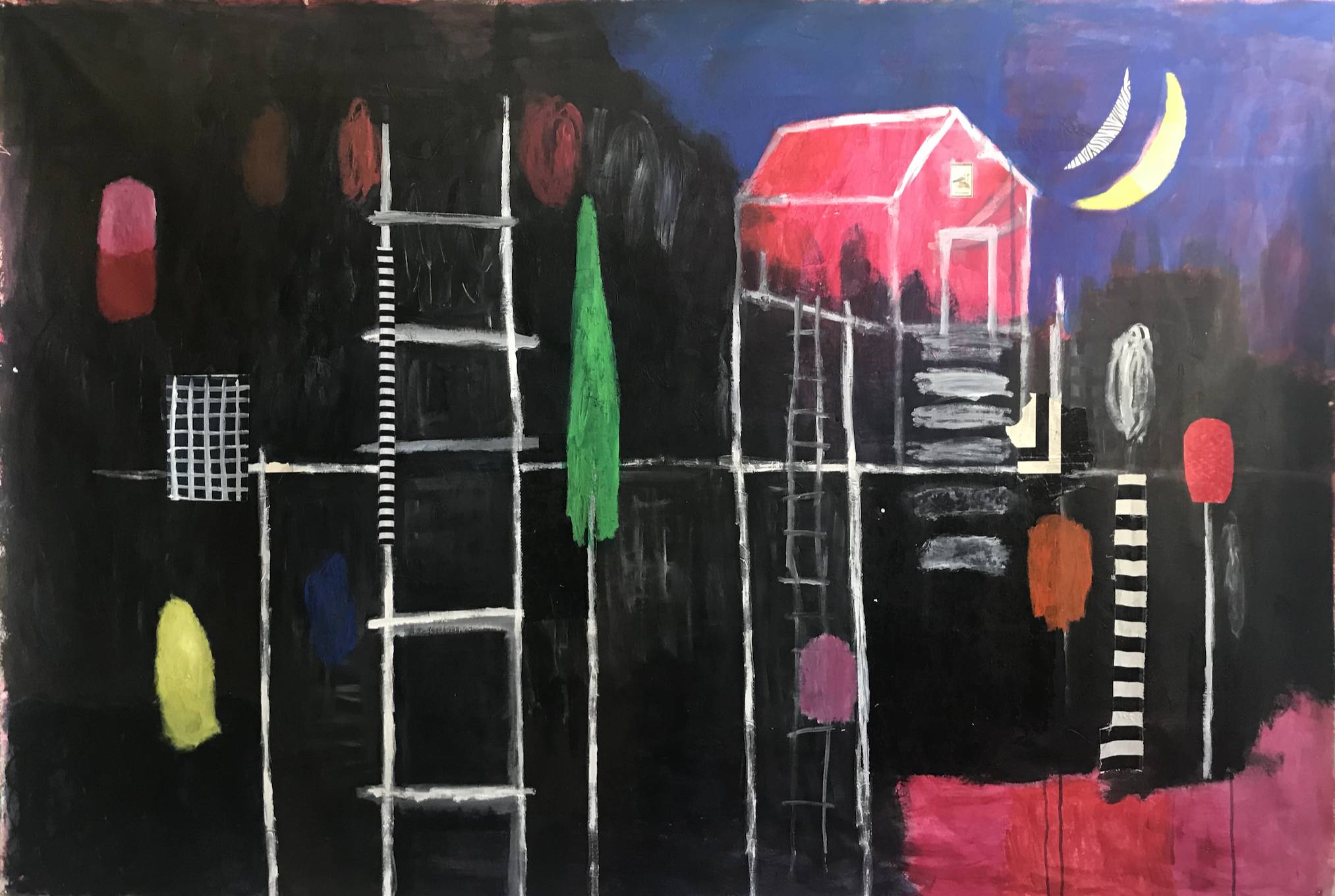
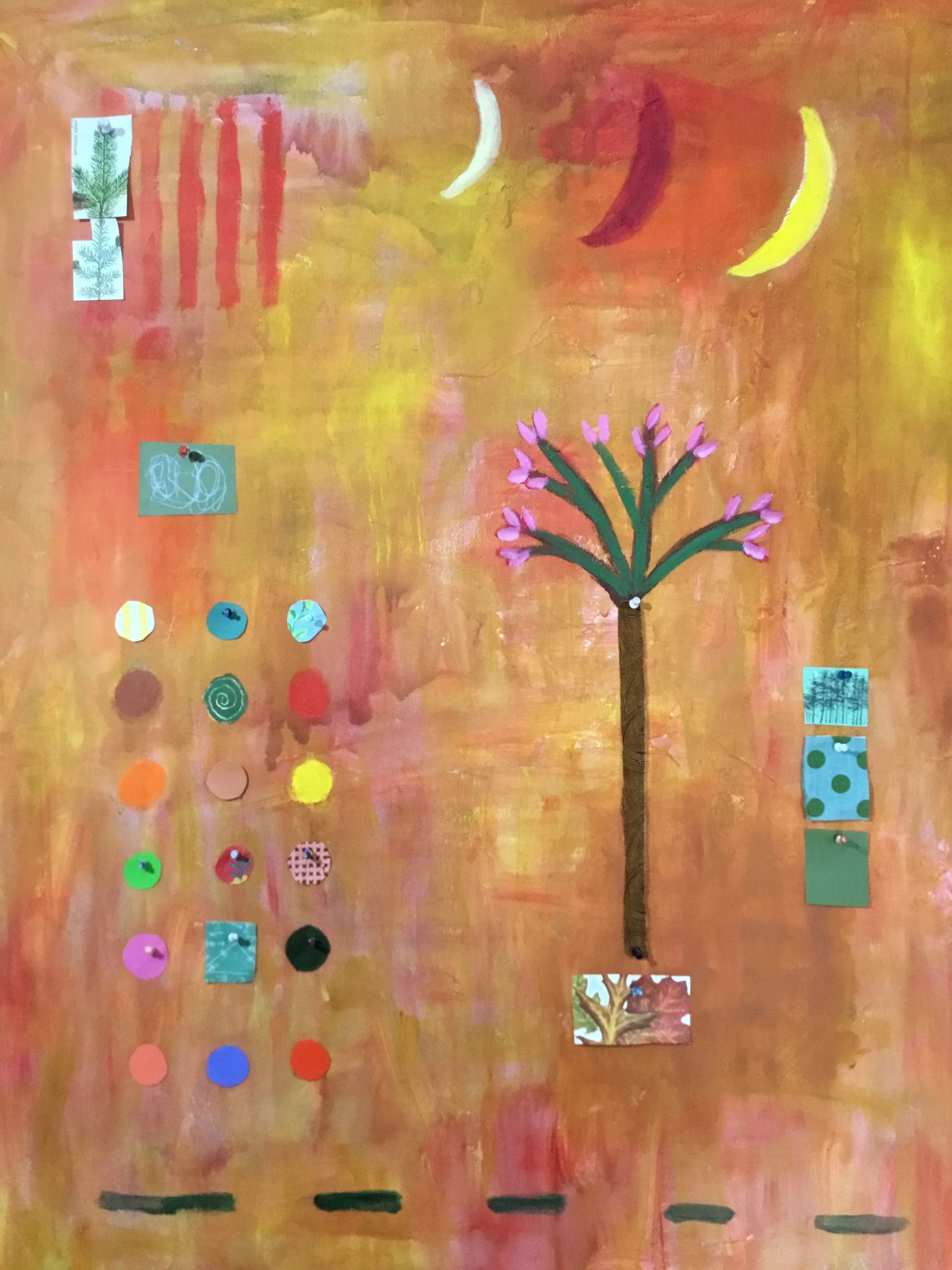
New York City based contemporary artist, Pam Smilow, began writing the creative lifestyle blog “things we love” in an effort to foster a sense of community during times of isolation and reflection. To read more about her and her art, visit her website and check out the essay written by Frank Matheis entitled The Sophisticated Innocence of Pam Smilow.