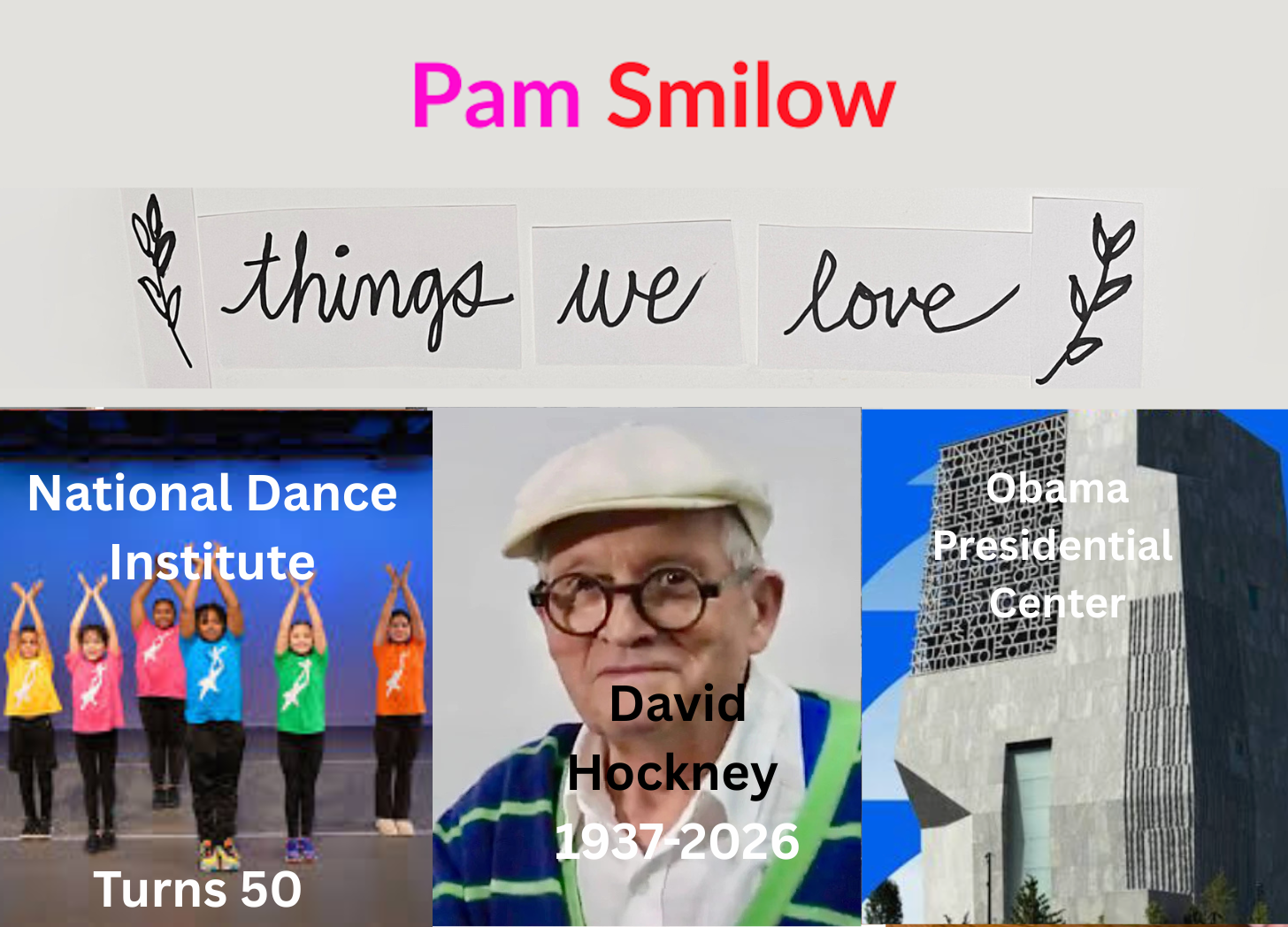
The Amazing New York Knicks
I admit to being a fair weather sports fan. I like watching tennis, soccer, and basketball, occasional baseball, but mostly towards the end of the season when there is more action and excitement. Instructions Before Visiting Earth
James McRae
I discovered a very interesting substack and instagram from someone named James McRae…and it occurs to me there truly are so many really cool people in this world doing such beautiful work with their hearts and minds in the right place. Sushi Sandwich
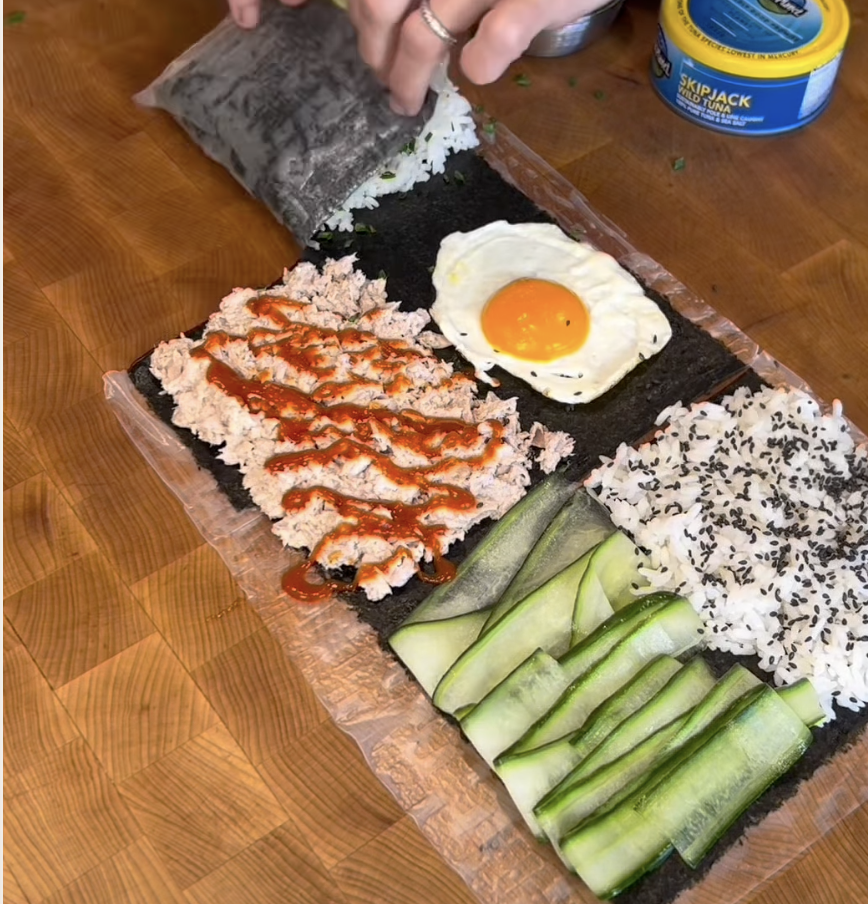
This recipe by @seattlehanddoc Wayne and Nancy looks delicious to me and it seems you could just about use any ingredients. In this case, no raw fish involved. They used skipjack tuna from a can for the protein. Painting of the Week Charity of the Week:
Book of the Week
I remember the Knicks of yesteryear in the late 60s, early 70s when Willis Reed was on the team as well as Bill Bradley, Walt Frazier, Dave DeBusschere, Phil Jackson and Earl "The Pearl" Monroe.
I too caught the Knicks fever recently and tuned in, like many of us fellow New Yorkers, to the fourth game. The Spurs dominated the first half and when the Knicks were down 27 points, I gave up on them and went to bed, utterly discouraged. I want NYC to have a win, especially with Mamdani at the helm.
Waking up in the early morning hours, I couldn’t believe my eyes. The Knicks, putting themselves up by one in the last seconds, managed to pull off an amazing comeback, one for the history books! And with this win, we don’t just celebrate the sport but also the diversity that is New York City, where people of all colors, shapes, sizes, religions, genders, etc. live side by side in relative peace…
I share with you here some of the celebratory reels of New Yorkers partying along side each other, including that of our new mayor, Zohran Mamdani…
Right after the Win
The Deeper Meaning of the Win
Celebrating on the Street
Mamdani and The Knicks
Mamdani vs. Trump at the Game
Mamdani Repeals Bedtime for Kid Fans
One of those people is James McRae, “an artist, poet, and teacher who empowers creators to live with purpose and turn imagination into reality. He is the founder of Sunflower Club, a global community dedicated to creativity as a tool for personal healing and social transformation. “
Here is his poem that got me going on him in the first place:
INSTRUCTIONS BEFORE VISITING EARTH
by James McRae
In the event that you wake up
and find your soul separated from source
and manifest into material form, don’t panic.
Your condition is only temporary.
In the event that you wake up
and find your soul separated from source
and manifest into material form, don’t panic.
Your condition is only temporary.
You have been selected for the opportunity
of human incarnation.
This 3D simulation is designed
to break up the monotony of eternity
by giving you a fully immersive experience
as a distinct ego identity.
Your body will serve
as your physical avatar
as you navigate a dense and dramatic reality.
There will be many distractions
causing you to forget your true nature and origin.
You will experience a range of emotions
from joy to loneliness to despair.
But remember – no matter
what trials and traumas you encounter,
your soul remains perfectly safe.
At times you may feel lost or afraid.
This is totally normal.
If you ever need guidance,
simply slow down your busy mind
and bring your awareness
to the quiet place
inside yourself.
On this planet, nothing is permanent.
People and things will come and go.
You will fall in love and form sentimental attachments
only to lose everything you hold dear.
So cling to nothing too tightly, even yourself,
and when it’s time to let go, let go with grace,
for nothing is owned, only borrowed.
As you walk among
the people on the planet,
try to be a good guest.
Tread lightly. Remember
that you are only visiting.
Don’t make a mess.
Listen more than you speak.
Give more than you take.
Don’t keep your soft heart
locked inside a glass cage,
protected from wear and tear.
You’ll never make it out alive
and time passes quickly.
So come back with some battle scars
and good stories to tell.
McRae writes a substack entitled “Being Nobody” (https://jamesmccrae.substack.com/) and his instagram is @wordsarevibrations.
Chani Thompson (@chanipeach), another amazing creator and life coach set McRae’s poem to some cool imagery—
Crispy Pan-Fried Onigirazu
INGREDIENTS
2 cans wild planetfoods Skipjack Tuna
3 tbsp mayo
1 tsp Sriracha (plus more to taste)
1 avocado, thinly sliced
1 cucumber, peeled into thin strips
6 eggs, fried
3 cups cooked short-grain white rice, seasoned with salt
12 sheets nori
24 sheets rice paper
Black sesame seeds
Neutral oil for frying
INSTRUCTIONS
Mix Wild Planet tuna with mayo, Sriracha, salt and pepper. Set aside.
Fry your eggs and prep all fillings before you start building.
Dip 2 rice paper sheets in warm water, overlap on a cutting board. Layer 2 nori sheets on top.
Cut 2 slits to create 4 sections. Place rice in one, tuna across from it, egg in the third, avocado and cucumber in the fourth.
Fold rice over avocado, fold that stack onto the tuna, fold tuna over the egg, fold egg over to the rice, fold rice over cucumber.
Wrap the whole square in 2 more wet rice paper sheets, press to seal, sprinkle with sesame seeds.
Pan fry in neutral oil on medium-high heat, searing all sides until golden and crispy.
Slice in half and try not to film a close up before eating. You will fail.
Fair warning — regular tuna sandwiches are never going to hit the same after this. 🔪✨
Doctor's Without Borders
About The Author
New York City based contemporary artist, Pam Smilow, began writing the creative lifestyle blog “things we love” in an effort to foster a sense of community during times of isolation and reflection. To read more about her and her art, visit her website and check out the essay written by Frank Matheis entitled The Sophisticated Innocence of Pam Smilow.
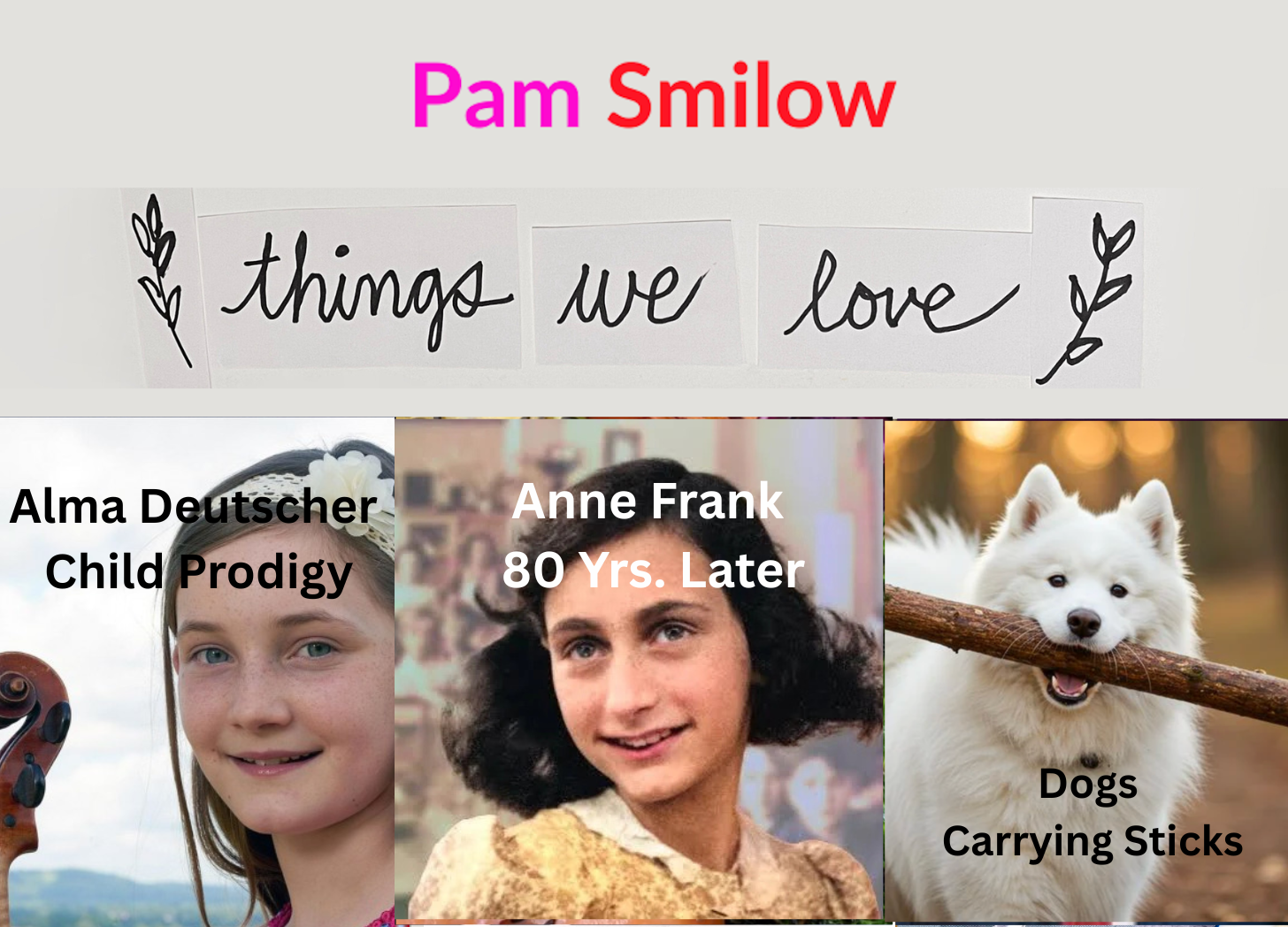
Blog No. 285: Child Prodigy Alma Deutscher, Anne Frank 80 Years Later, Dogs with Sticks
Alma Deutscher Child Prodigy
This is the story of a young girl named Alma Deutscher (now a young woman of 20) and I think you are really going to scratch your head on this one. For me, it just makes it clear that there is so much we do not understand in this life. I personally find it incredibly exciting to just take it all in with wonder!
Alma Deutscher is a British composer, pianist, violinist and conductor but she had an extremely unusual early start at her career. Her earliest memories were hearing the music of Ricard Strauss as a toddler and being already mesmerized and in love. At three she was already playing piano and violin. When she was four she started having compositions and melodies come to her in her head--"they just popped in" she describes and these were not just things she had heard--they were her original compositions. She composed her first piano sonata at the age of five. At seven, she completed a short opera, and at age 9 she had already written a full violin concerto! If you want to be enchanted, please take the twelve minutes it takes to hear this 60 Minutes piece on her--guaranteed it will stretch what you thought of life and how things come about...
Anne Frank 80 Years Later
I think it is important to keep Nazi Germany fresh in our minds right now as America goes through these scary times that sadly mirror in many ways the rise of fascism there. Let’s hope knowing history might prevent us from making the same mistakes.
Anne Frank has become a symbol of that time. Here are her experiences from Germany to Amsterdam, narrated and told from the viewpoint of Eva Schloss, a contemporary, whose own story mirrored Frank's life but sadly to a very different end.
Through her diary, Anne Frank’s words survived, becoming a symbol of resilience and a testament to the atrocities of the Holocaust, inspiring generations to fight prejudice and embrace humanity.
This documentary, entitled 80 Years Later: Anne Frank’s Sister Breaks Her Silence, directed by Rachel Stirling, interweaves Anne Frank’s diary entries with the parallel experience of other refugees at that time in Amsterdam, and is full of informative archival footage and interviews.
Dogs With Sticks
Photo courtesy on Instagram @dog_rates
Here is a pure fluff piece that I found on youtube: Dogs Carrying Sticks. I have become a true dog lover after having my daughter's dog up with me in Maine for an extended period of time so excuse the obsession if you are not of the same mind. But this story is fun, charming, and guaranteed to put a smile on your face. We all need reason to do that these days...
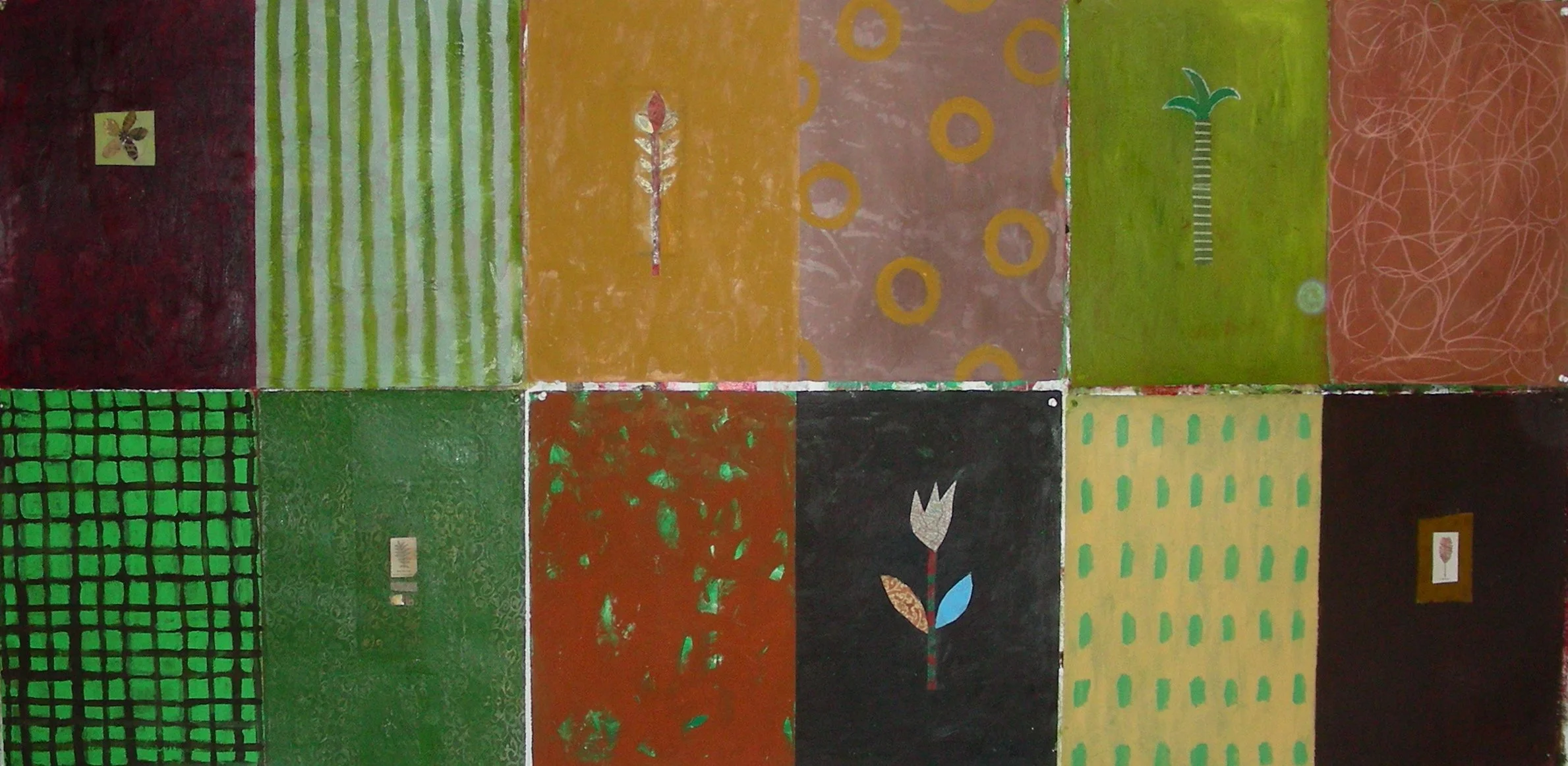
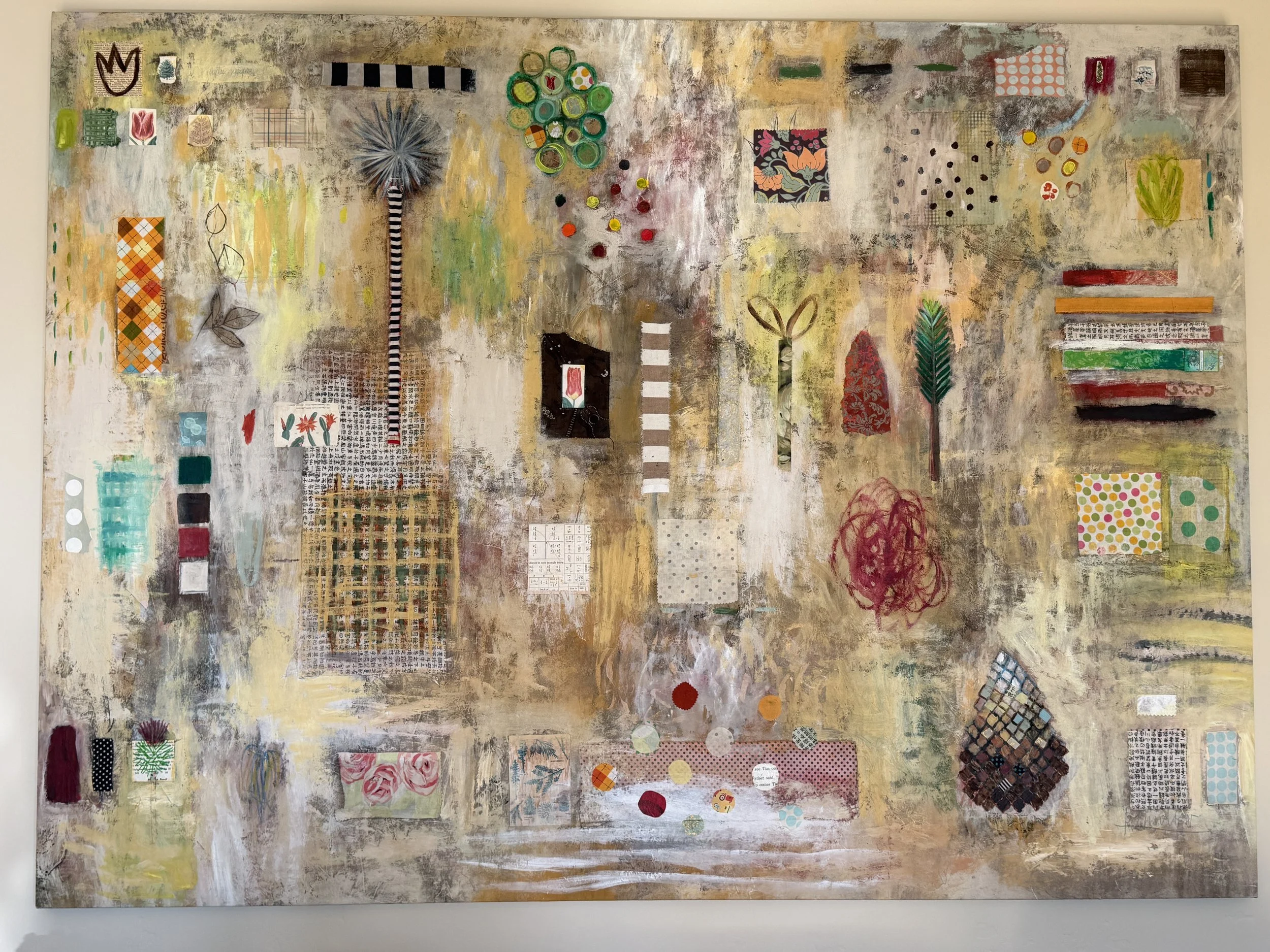
Painting of the Week
Charity of the Week:
Doctor's Without Borders
Book of the Week
About The Author
New York City based contemporary artist, Pam Smilow, began writing the creative lifestyle blog “things we love” in an effort to foster a sense of community during times of isolation and reflection. To read more about her and her art, visit her website and check out the essay written by Frank Matheis entitled The Sophisticated Innocence of Pam Smilow.
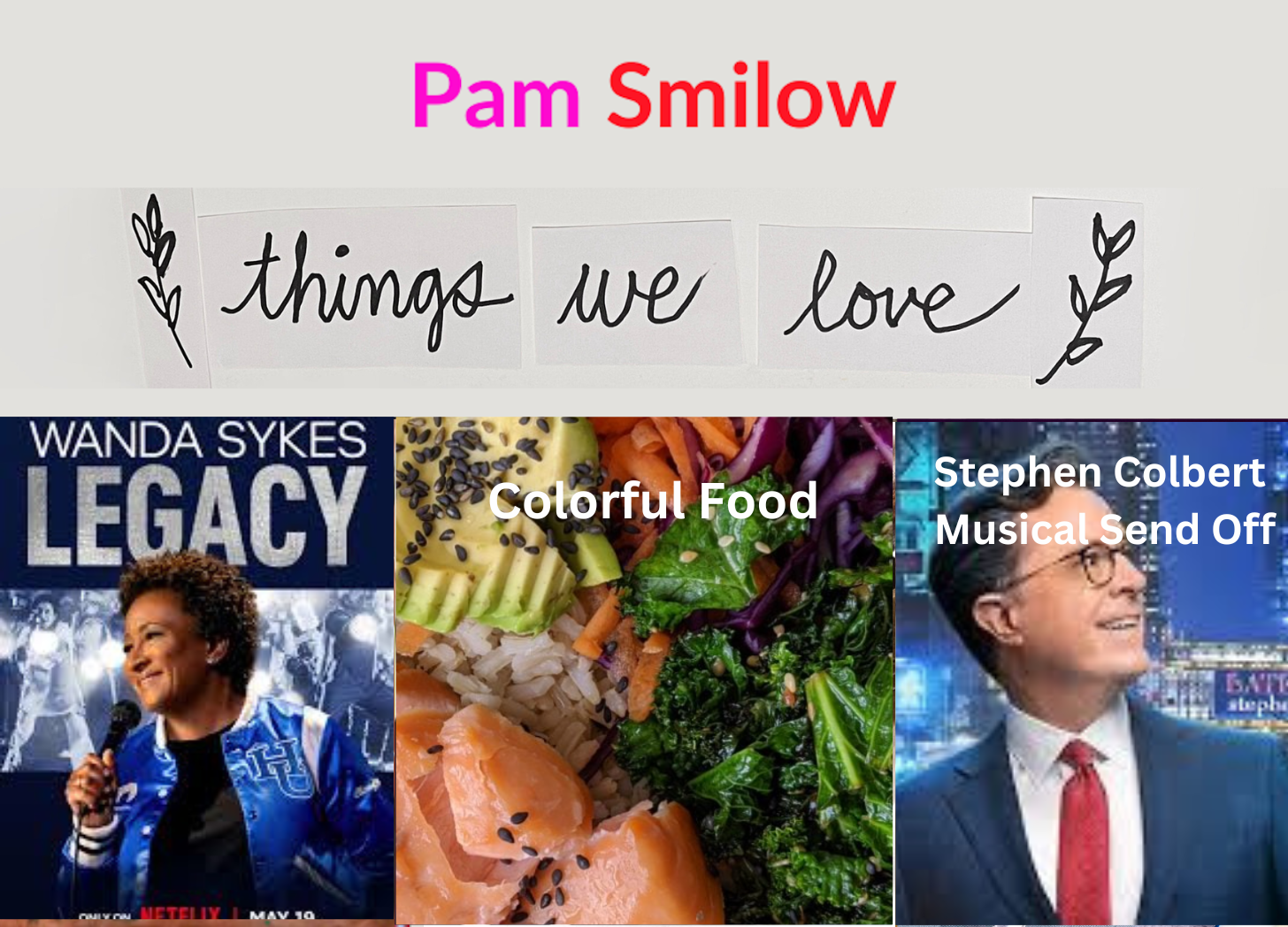
Blog No. 284: Comedian Wanda Sykes, Colorful Food, Stephen Colbert's Musical Send Off
Comedian
Wanda Sykes
Photo courtesy Philadelphia Gay News. Click image for interview
Laughter truly is good medicine for the soul.
Wanda Sykes is one of my favorite comedians. I strongly recommend you take the time to watch this new film of hers Legacy, available on Netflix. It documents her performance at her alma mater: Hampton University and it is funny. We so need the comic relief right now and I am pretty sure you will get some good laughs out of it.
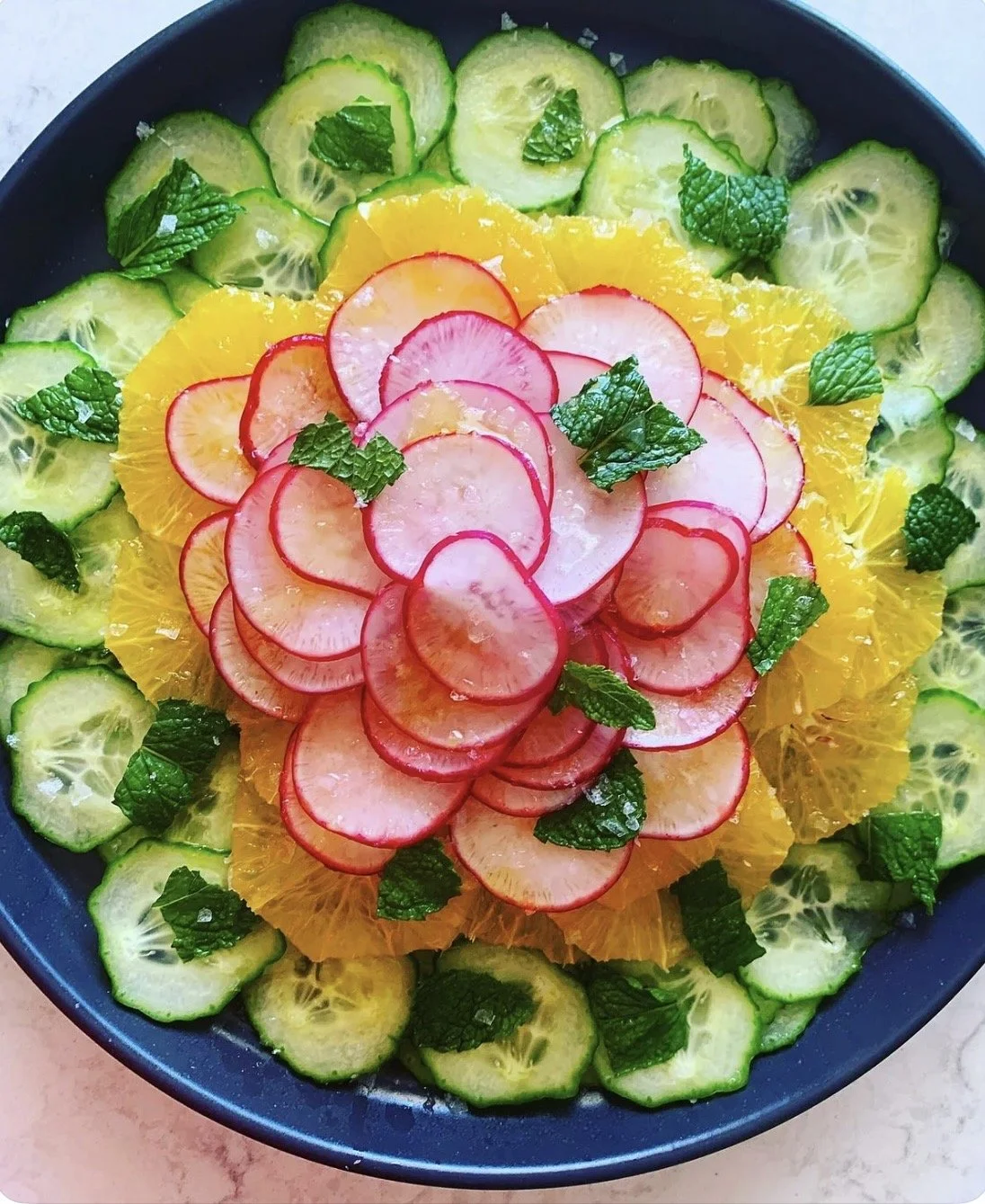
Beautiful Colorful Salad
Have you ever seen such a colorful and aesthetically pleasing salad?
Radishes, cucumbers and oranges contribute to the beauty of this salad.
Recipe follows thanks to journalist Emily Nunn's The Department of Salad and Italian chef and cookbook writer Marcella Hazan:
MARCELLA'S COLORFUL SALAD, serves 6
INGREDIENTS:
2 Persian cucumbers or 1 large seedless
3 oranges
6 small radishes
1 avocado (optional)
12 fresh mint leaves
Sea salt
Juice of 1/2 a lemon
Extra virgin olive oil
INSTRUCTIONS:
*Slice the cucumber into thin disks and arrange on a serving platter.
*Peel the oranges by slicing the top and the bottom off of the orange and using a sharp pairing knife remove the peel. (Try not to leave any of the white pithy part.)
Slice the oranges and add to the platter.
*Slice the radishes into disks and add to the platter
*Slice the avocado and arrange nicely on platter.
*Tear the mint leaves in half and sprinkle them over the top.
*Sprinkle sea salt over the whole salad
*Squeeze lemon evenly over the platter and finish with a drizzle of good quality olive oil.
Voilá!
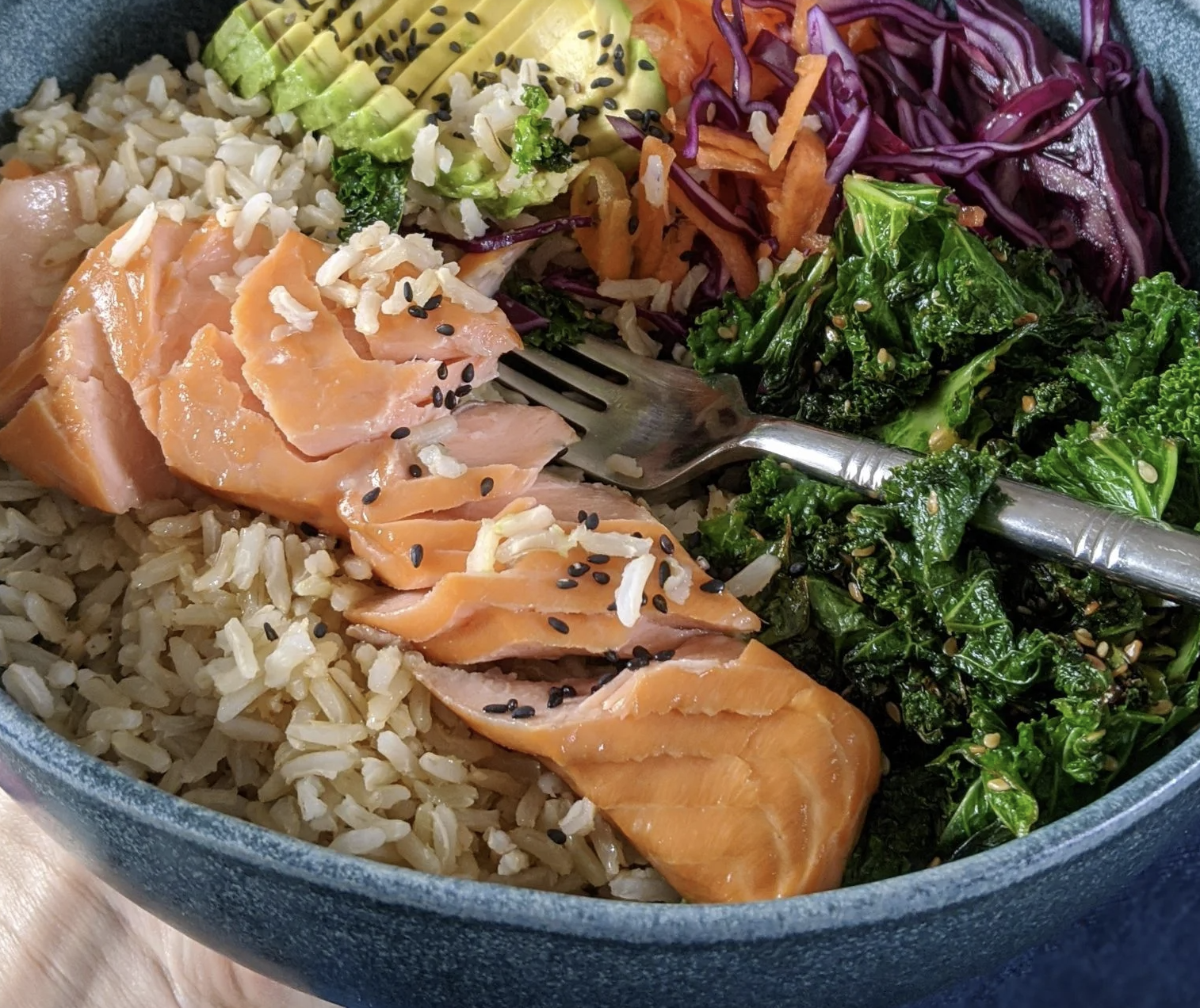
And here is another beautiful healthy choice--I personally love creating these rice bowls out of all kinds of ingredients. This one looked particularly appealing to me but you can literally put anything in there except the kitchen sink.
RAINBOW RICE BOWL
RAINBOW RICE BOWL
Your choice of protein
1 cup cooked Brown Rice
1/3 cup grated carrots
1/3 cup shredded red cabbage
1 avocado, cut into thin slices
PREPARATION FOR KALE:
1/2 cup chopped kale into small pieces.
Toast the sesame seeds lightly in dry frying pan, then add shredded kale to the pan
Add 1 tsp sesame oil and
1 tsp olive oil.
Turn the heat to medium and sautee for a few minutes until bright green and nicely cooked.
Add 2 tsp tamari and turn the heat down - cook for 1 minute to reduce the liquid then turn the heat off.
DRESSING
1 tsp. olive oil, 1 tsp sesame oil, 2 tsp tamari, 1 tbsp sesame seeds
Stephen Colbert's Send Off
The final send off from Stephen Colbert’s eleven year run on CBS (boycott CBS please) includes two back to back musical numbers: Jump Up by Elvis Costello and finally The Beatles Hello Goodbye, all performed by Colbert himself alongside Louis Cato, Jon Batiste, Elvis Costello, Paul McCartney and the Great Big Joy Machine. It ends in a giant singalong that involves the audience and the entire staff.
Painting of the Week
Charity of the Week:
Doctor's Without Borders
Book of the Week
About The Author
New York City based contemporary artist, Pam Smilow, began writing the creative lifestyle blog “things we love” in an effort to foster a sense of community during times of isolation and reflection. To read more about her and her art, visit her website and check out the essay written by Frank Matheis entitled The Sophisticated Innocence of Pam Smilow.

Blog No. 283: Artist Activist Natasha Mayers, Stephen Colbert/Anderson Cooper: A Conversation, A Few Short Poems
Natasha Mayer's
Artists' Rapid Response Team (ARRT!)
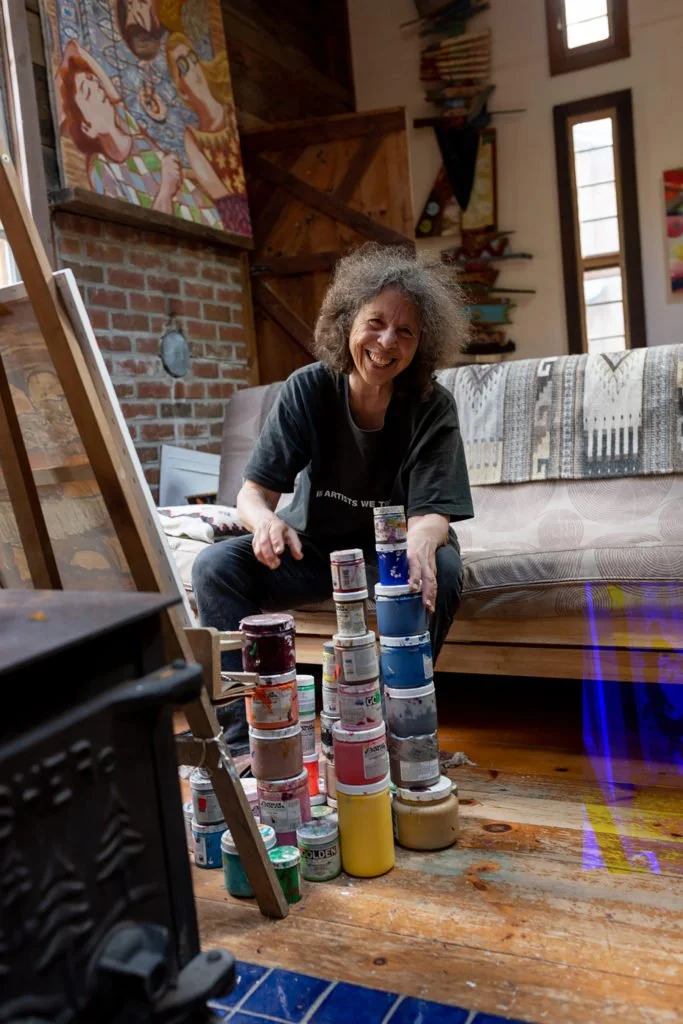
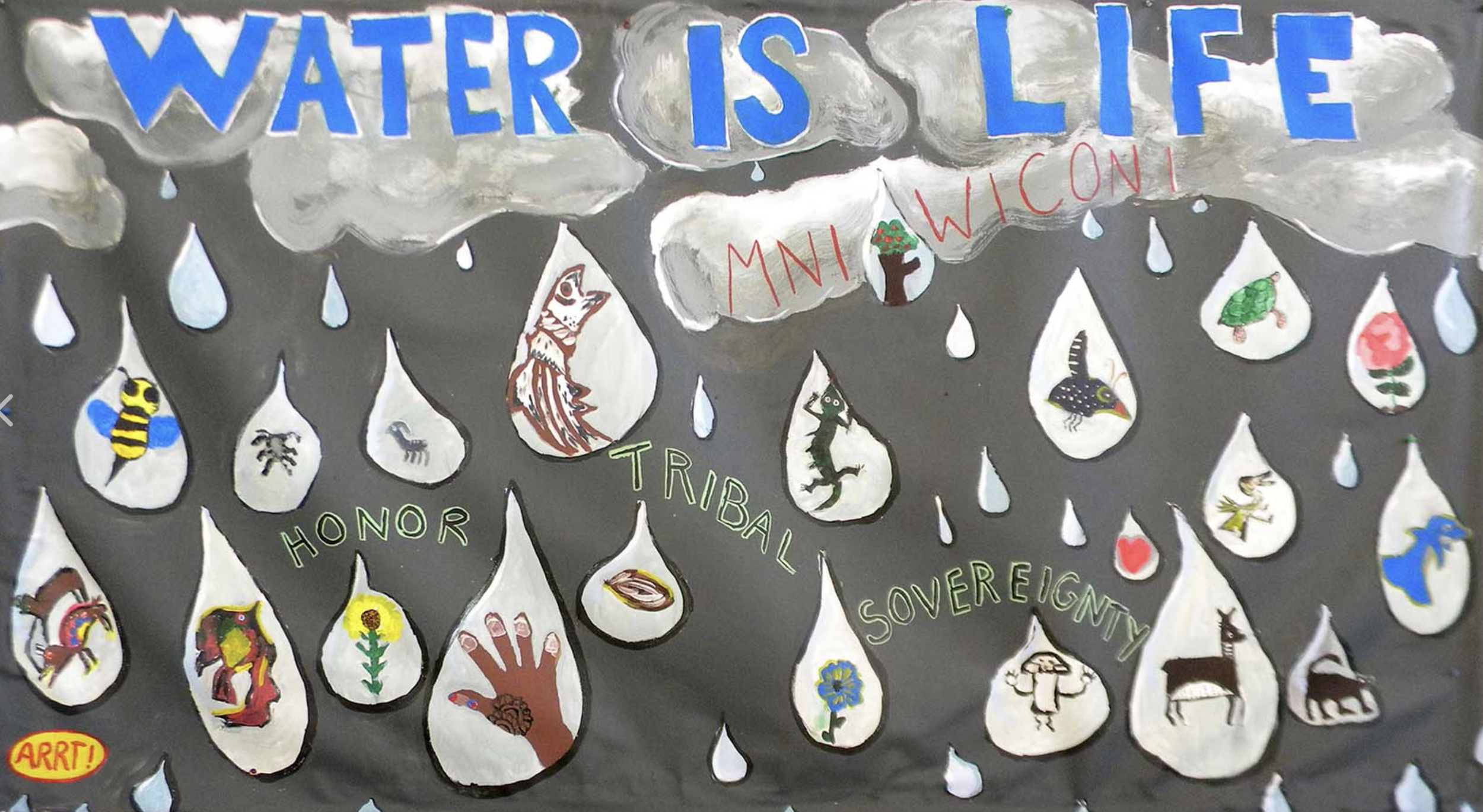
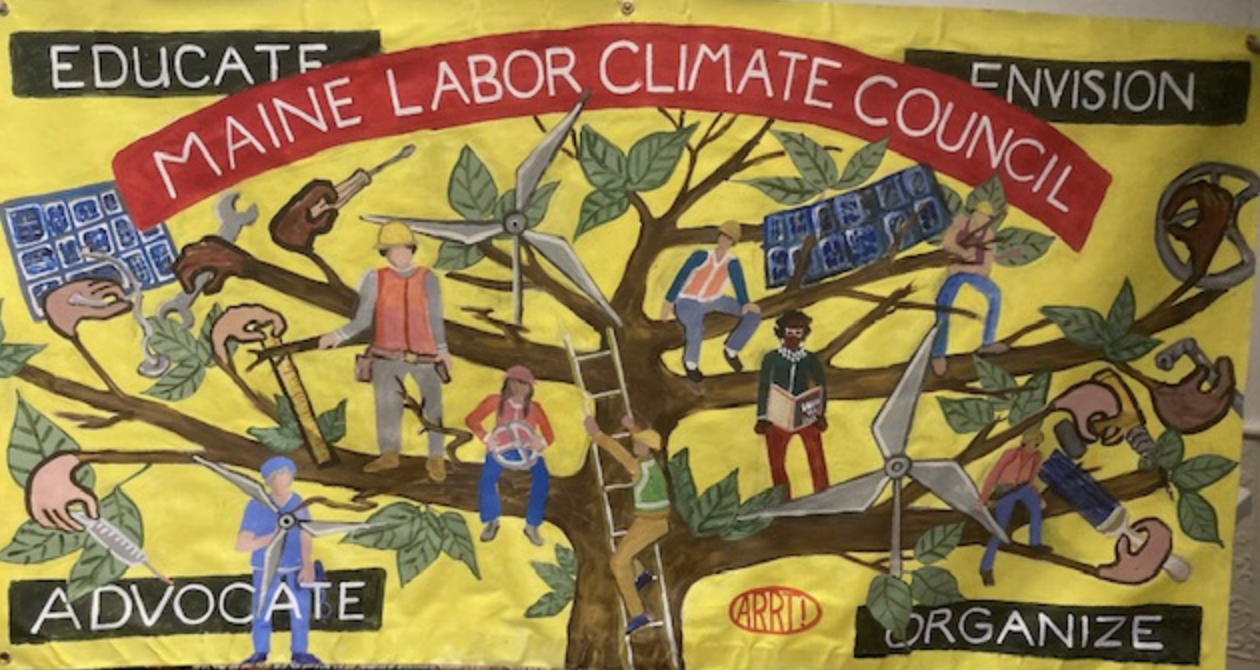
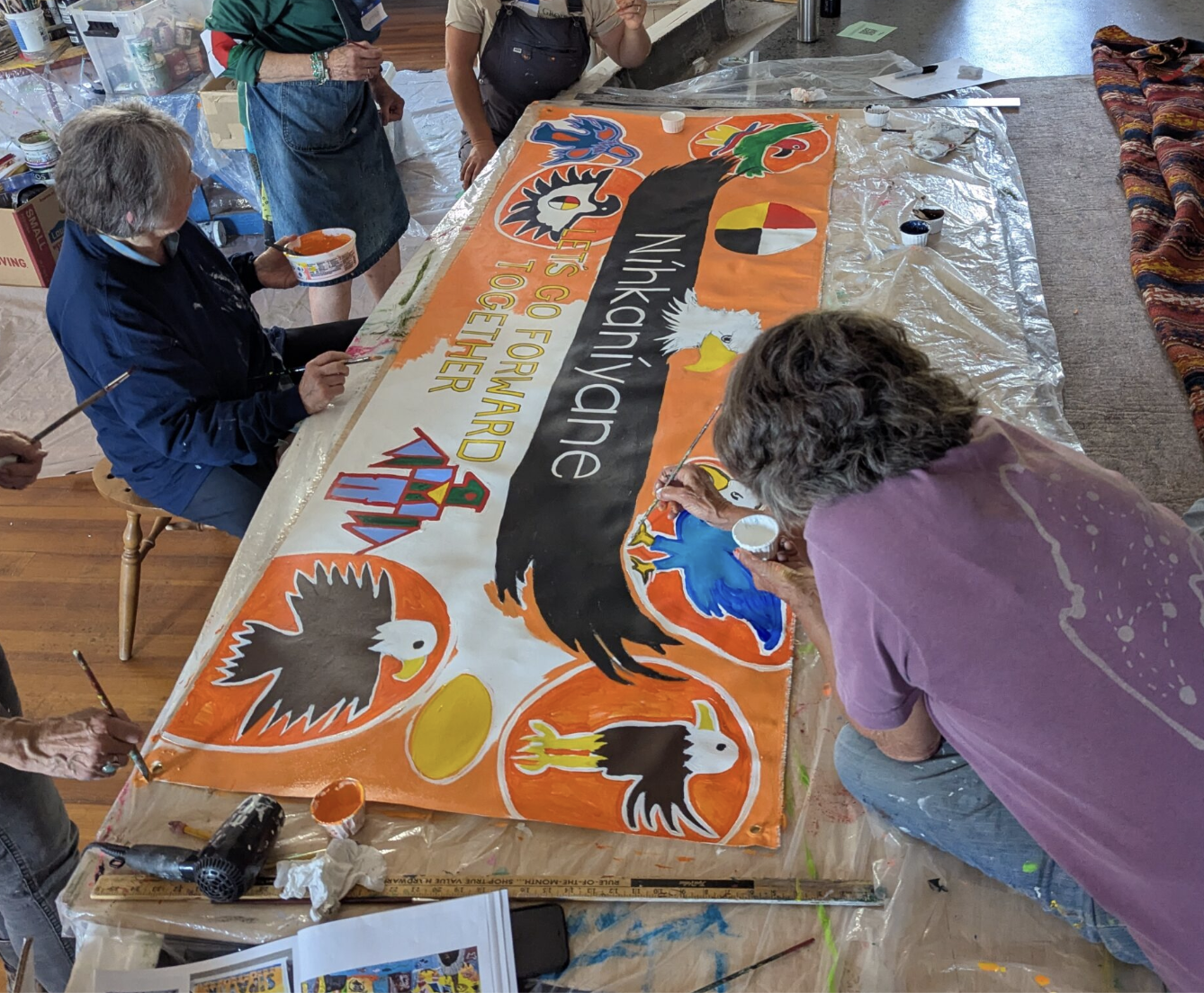
My friend and fellow artist Terrie Frisbie has been trying to get me to come with her to a monthly artist gathering called ARRT! (Artists' Rapid Response Team), where artists have been gathering once a month for many years to make political signage and artwork for the greater good.
I finally went last Sunday--what a wonderful group of artists, such creative collaborative energy floating in the space, and all of us hard at work all day. There is something amazing about being in a room and creating--that group spirit--and especially if it is for a good cause.
ARRT! was founded fourteen years ago by an extraordinary woman named Natasha Mayers, who is the founder and force behind this artist collective. It has been going strong since 2012, dedicated to political causes of decency, kindness and justice for the less privileged in our society.
In addition to her own art and organzing the artist collective, Natasha has worked with prisoners, children, refugees and local residents to create banners, murals and signs with the purpose of bringing visual reminders of what is important in life and to call attention to crucial issues we face as a society. As one of Maine's national treasures, she is celebrated in this wonderful PBS documentary Natasha Mayers: An Unstill Life. Please watch for inspiration, dedication, and the determination of one person to spark and mobilize a whole group of individuals into collective years of action.
Organized by Natasha Mayers, these lobster buoys, symbols of Maine, are depicted here with flags from all over the world, painted by Portland immigrant students representing their countries of origin.
Stephen Colbert/Anderson Cooper Conversation
Both Anderson Cooper and Stephen Colbert have had their share of major loss. Take the time to listen to this touching, raw conversation between the two of them where they are incredibly open about their life experiences and their personal feelings on their own grief.
To dig deeper, you might also be interested in Anderson Cooper's entire podcast All There Is, where he engages in moving and honest discussion with people who have faced life-altering losses.
Anderson Cooper’s Podcast All There Is has three seasons, currently 56 episodes.
A Few Short Poems
APRIL IS A DOG'S DREAM
by Marilyn Singer
april is a dog’s dream
the soft grass is growing
the sweet breeze is blowing
the air all full of singing feels just right
so no excuses now
we’re going to the park
to chase and charge and chew
and I will make you see
what spring is all about
THE RED WHEELBARROW
by William Carlos Williams
so much depends
upon
a red wheel
barrow
glazed with rain
water
beside the white
chickens
THE CRY OF THE CICADA
by Matsuo Bashō
The cry of the cicada
Gives us no sign
That presently it will die.
HOPE IS A THING WITH FEATHERS
by Emily Dickinson
“Hope” is the thing with feathers –
That perches in the soul –
And sings the tune without the words –
And never stops – at all –
And sweetest – in the Gale – is heard –
And sore must be the storm –
That could abash the little Bird
That kept so many warm –
I’ve heard it in the chillest land –
And on the strangest Sea –
Yet – never – in Extremity,
It asked a crumb – of me.
Painting of the Week
Charity of the Week:
Doctor's Without Borders
Book of the Week
About The Author
New York City based contemporary artist, Pam Smilow, began writing the creative lifestyle blog “things we love” in an effort to foster a sense of community during times of isolation and reflection. To read more about her and her art, visit her website and check out the essay written by Frank Matheis entitled The Sophisticated Innocence of Pam Smilow.

Blog No. 282: Theo of Golden, Singing Bowls, Ajo Blanco Gazpacho Soup
Theo of Golden
by Allen Levi
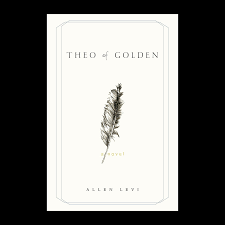
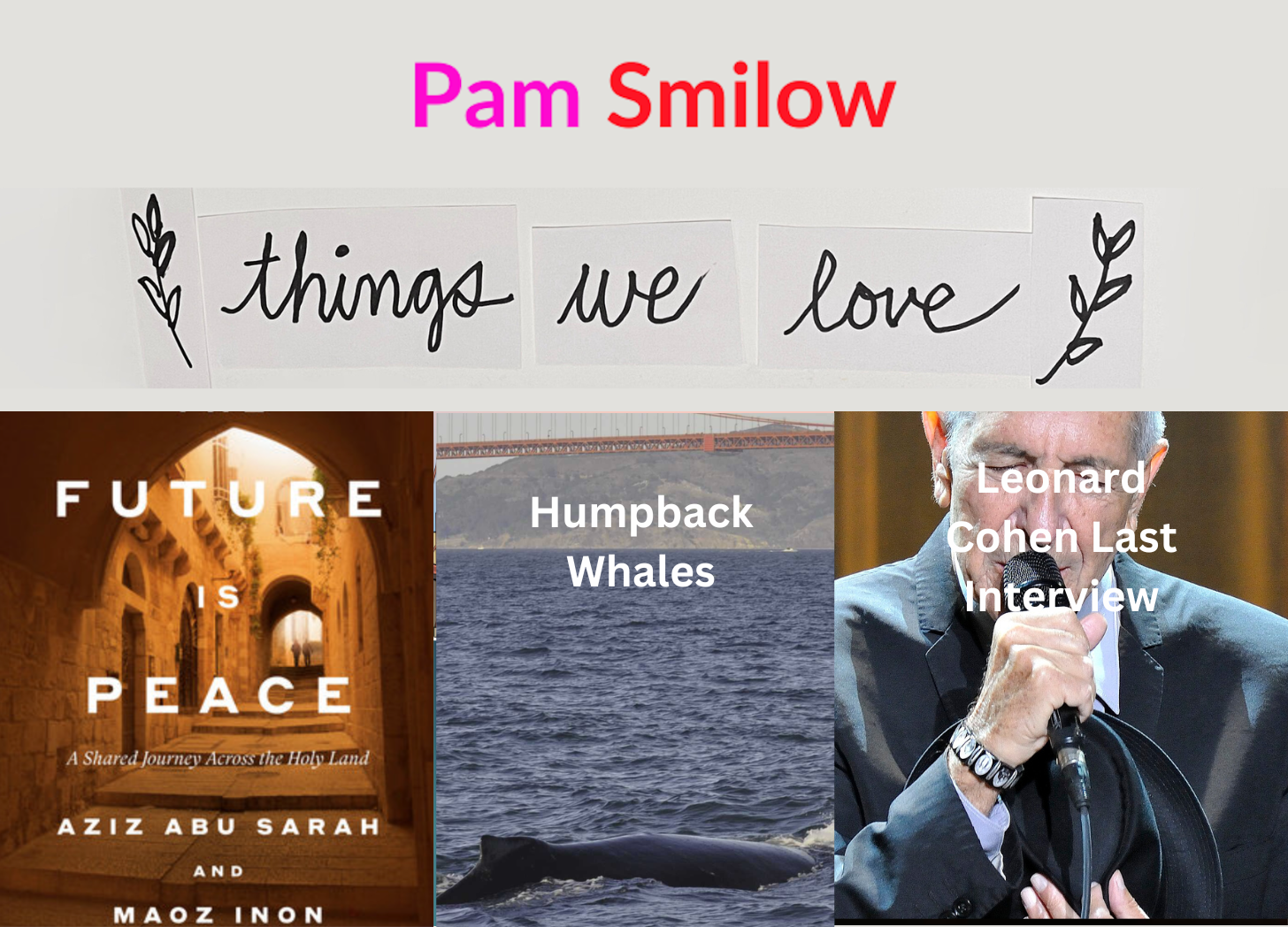
“Stories cast spells.” And this one certainly does… I just finished the New York Times bestseller Theo of Golden this morning and decided to toss aside all my plans for this lead story on my blog and write about this book. I am not going to say much because I was in many ways left without words upon finishing it and I want the book and the author Allen Levi to speak for themselves...
What I will say very broadly is that the central character is an 87 year old man from Portugal named Theo who shows up in the southern town of Golden, Georgia and gets to know many of the townspeople.
I found the book very inspirational although the author insists it is not a book about idealism--he is convinced that it is realistic... Allen Levi reminds us that life is all about choices.
I just want to encourage you to read it and then please come back to this blog entry and comment. I'd love to hear your thoughts. I hope you like it as much as I did.
If, when you finish, you don’t want to see it end or you have questions and want more information, there is a great conversation between Levi Allen and his old friend, bookstore owner Ben May. Well worth the listen!
Singing Bowls for Stress Relief
To follow Tseyang, click image above
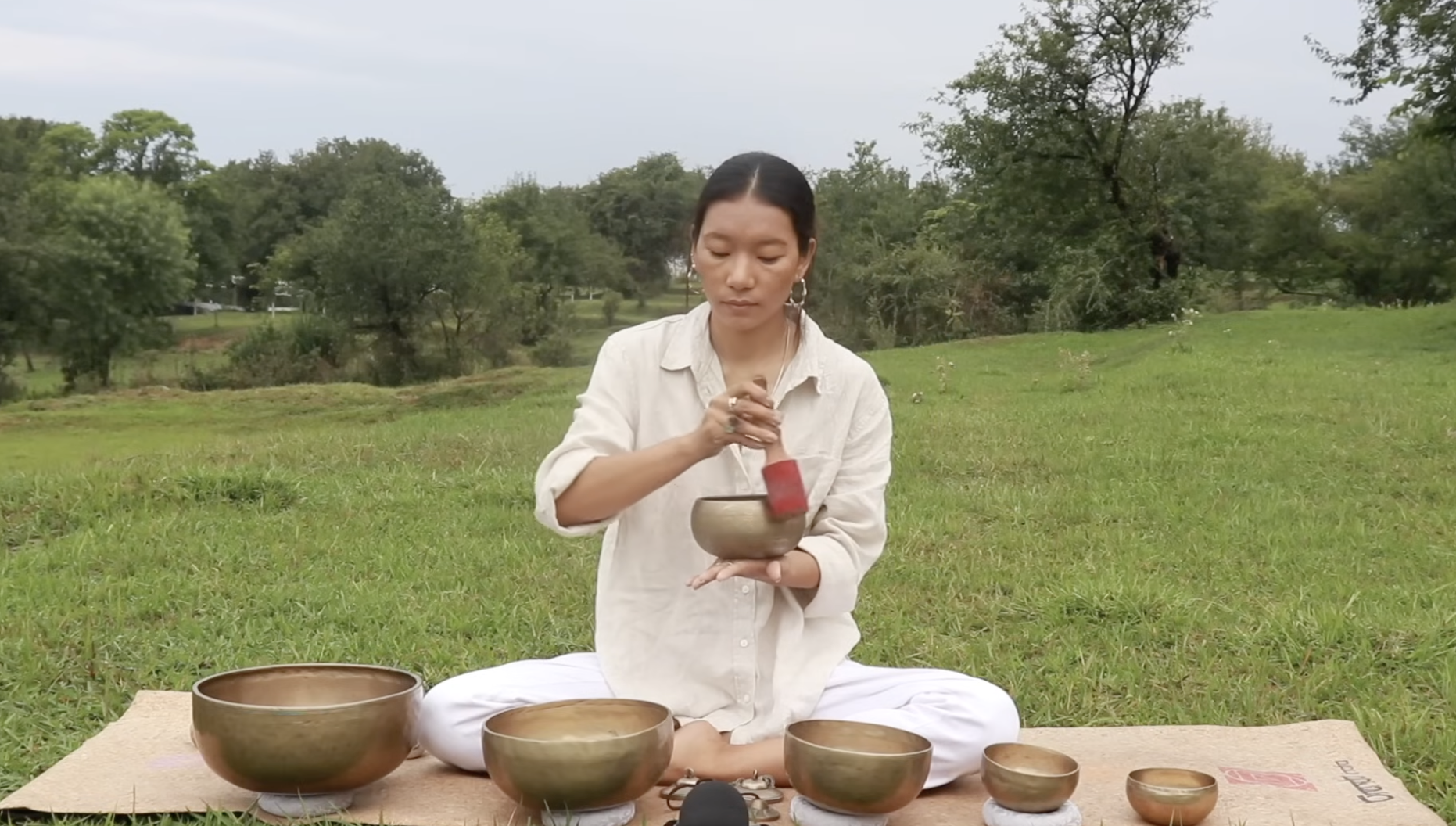
There is so much free floating anxiety in the air these days that we can't help but be affected. As an antidote, I find meditation and listening to these singing bowls from time to time as a way to ground and center myself and release some of that anxious feeling deep in my gut when I think of the state of the world.
I hope this eleven minute video from Tibetan yoga teacher Tseyang helps to reduce some of the stress...Get comfortable and spend the next ten minutes just letting go...
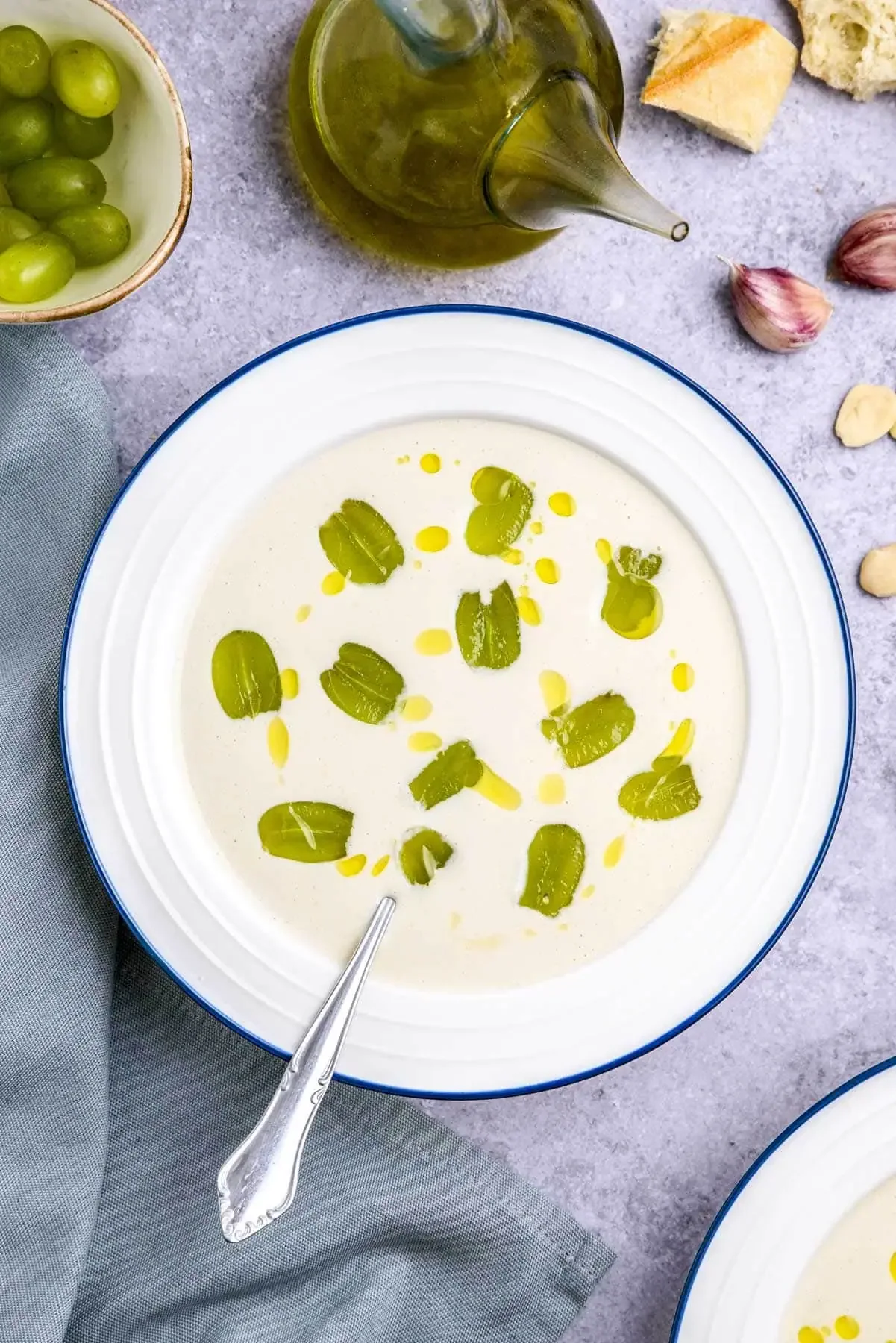
White Gazpacho Soup
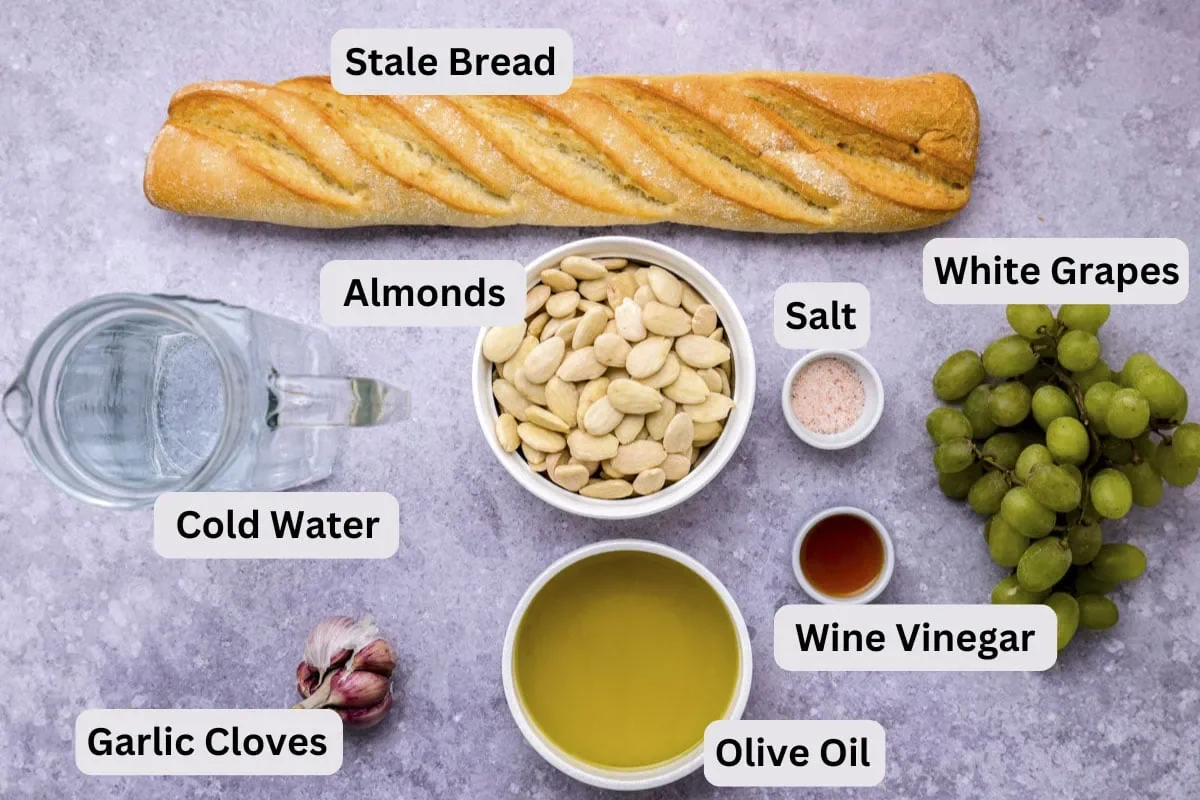
Ingredients for this delicious soup
Babbo-Style White Gazpacho (Ajo Blanco Inspired)
Serves 4–6
Ingredients
* 1 cup blanched almonds (Marcona if possible)
* 2 cups seedless green grapes
* 1 English cucumber, peeled and chopped
* 2 slices rustic white bread, crusts removed
* 2 garlic cloves
* 1/3 cup extra-virgin olive oil
* 2 tablespoons sherry vinegar
* 2–3 cups ice
* Kosher salt
* White pepper
Garnish ideas
* Halved green grapes
* Toasted almonds
* Chive oil or olive oil drizzle
* Tiny cucumber dice
* Croutons
Instructions
1. Soak the bread in a little cold water for 5 minutes, then squeeze dry.
2. Blend almonds, garlic, grapes, cucumber, and bread until smooth.
3. Slowly drizzle in olive oil while blending so it emulsifies.
4. Add sherry vinegar and enough ice water to reach a silky soup consistency.
5. Season with salt and white pepper.
6. Strain through a fine sieve for a restaurant-style smooth texture.
7. Chill at least 3 hours before serving.
Painting of the Week
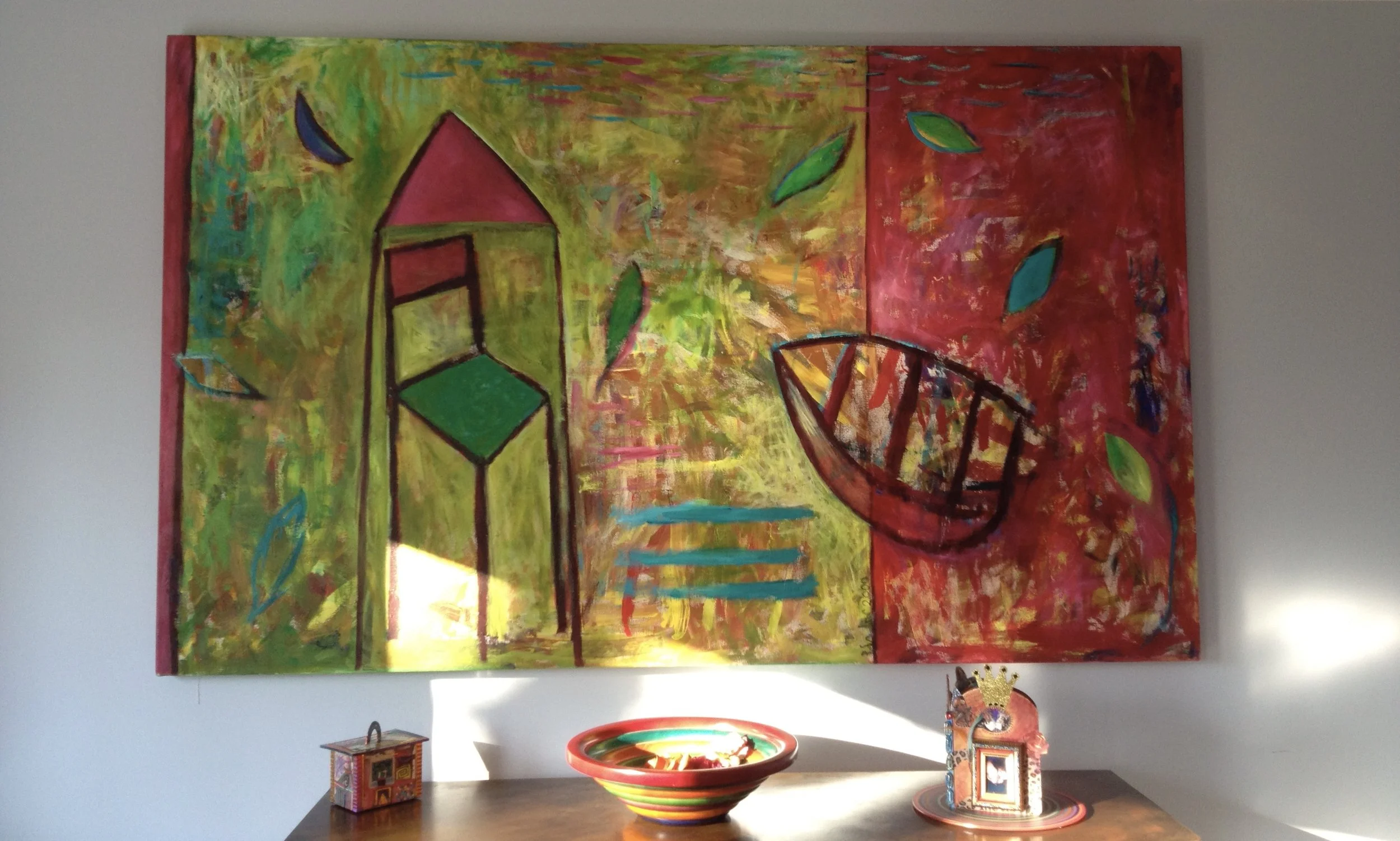
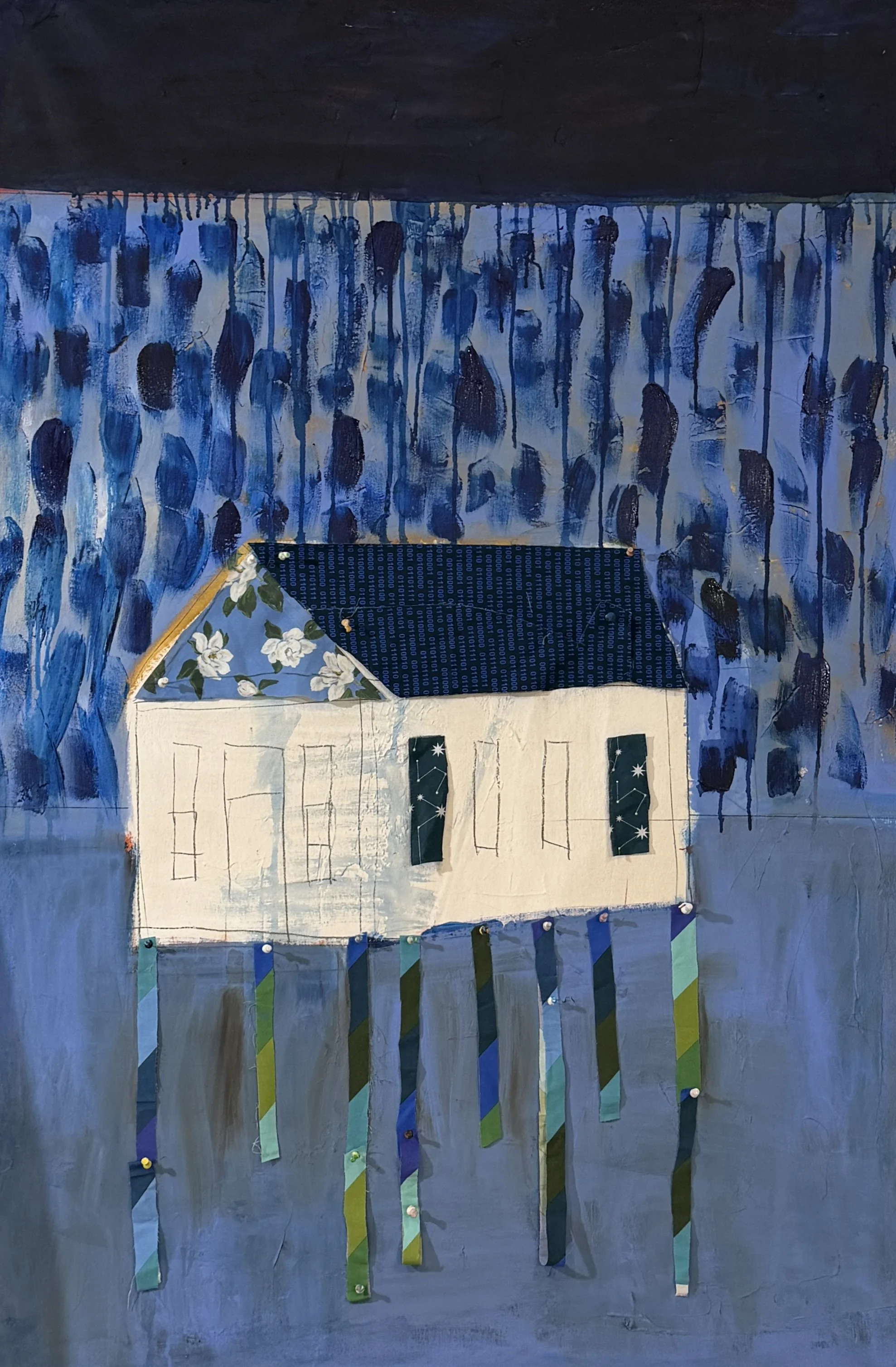
Pam Smilow Fish House. mixed media on canvas. 60” x 40”. in progress
Charity of the Week:
ACLU
Book of the Week
About The Author
New York City based contemporary artist, Pam Smilow, began writing the creative lifestyle blog “things we love” in an effort to foster a sense of community during times of isolation and reflection. To read more about her and her art, visit her website and check out the essay written by Frank Matheis entitled The Sophisticated Innocence of Pam Smilow.
Blog No. 281: The Secret Inner Life of Dogs, Monika Zgustová When Society Tolerates Evil, Playlist: Music About Boats
A Mother’s Job is Never Done!! HAPPY MOTHER”S DAY to all you wonderful, tireless, kind-hearted mothers out there…Not sure who to attribute this photo to—it was posted on René’ Volpi’s substack.
The Secret Inner Life of Dogs
This one is for all you dog lovers out there (like me).
Have you wondered why your dog is always with the nose to the ground--what could all that sniffing mean to them? Or what they are thinking when they give you that stare?...Do they understand and have a sense of time? Do they get bored?
Alexandra Horowitz, author of new book The Secret Inner Life of Dogs as well as multiple other books on the subject answers those questions and many more. As Senior Research Fellow and Adjunct Associate Professor and director of the Horowitz Dog Cognition Lab at Barnard College, she has dedicated her life to the study of animal cognition and most specifically about dogs.
Oprah Winfrey sat down with Alexandra Horowitz and what follows is their very informative just short of an hour conversation--everything you wanted to know and more.
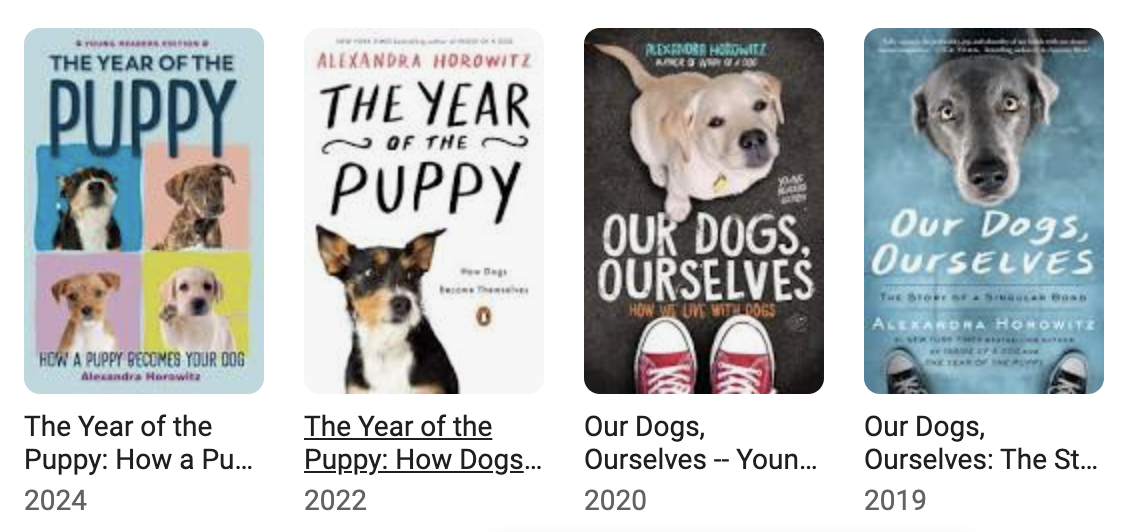
Other books by Alexandra Horowitz
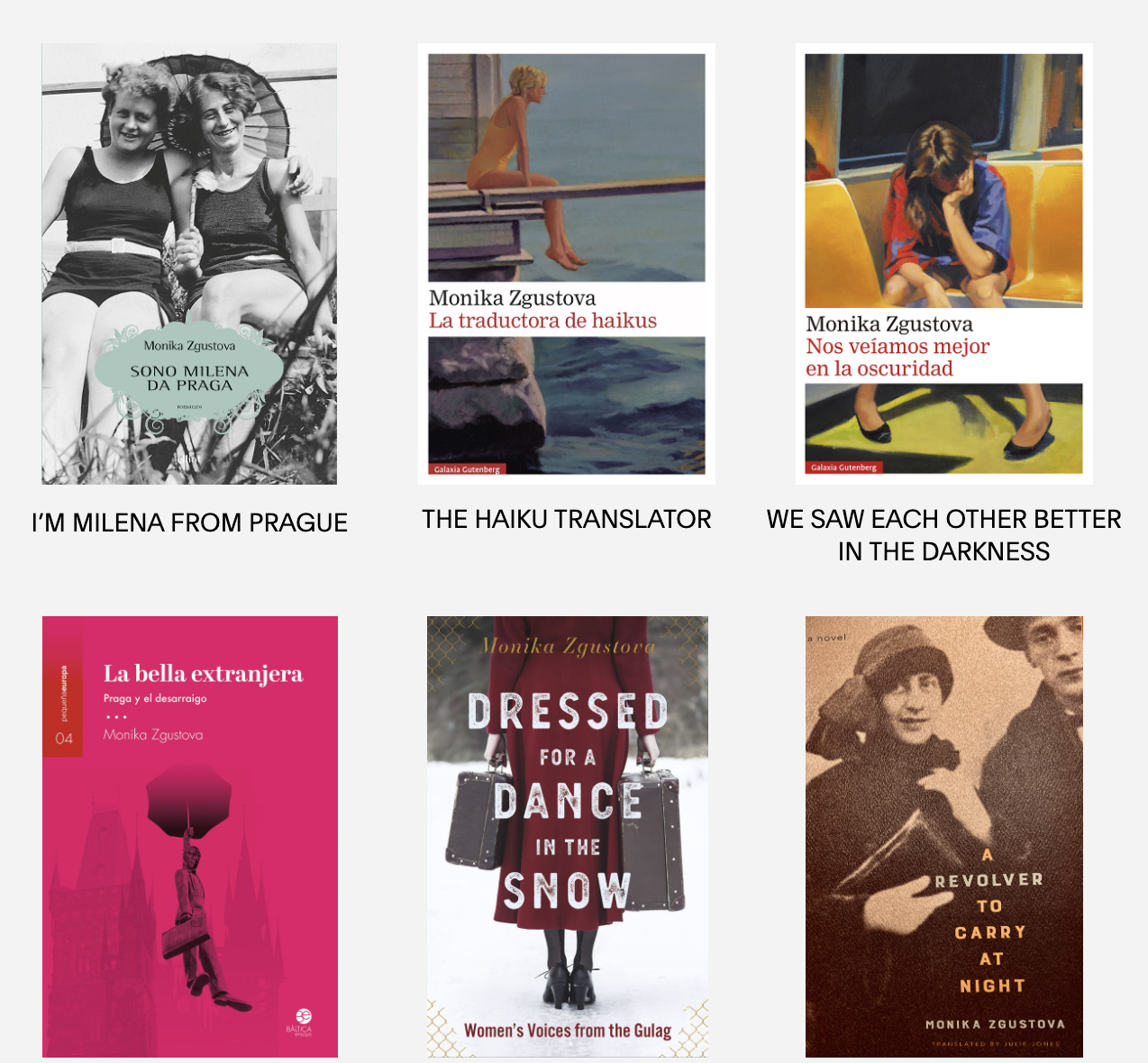
When Society Tolerates Evil by Monika Zgustova
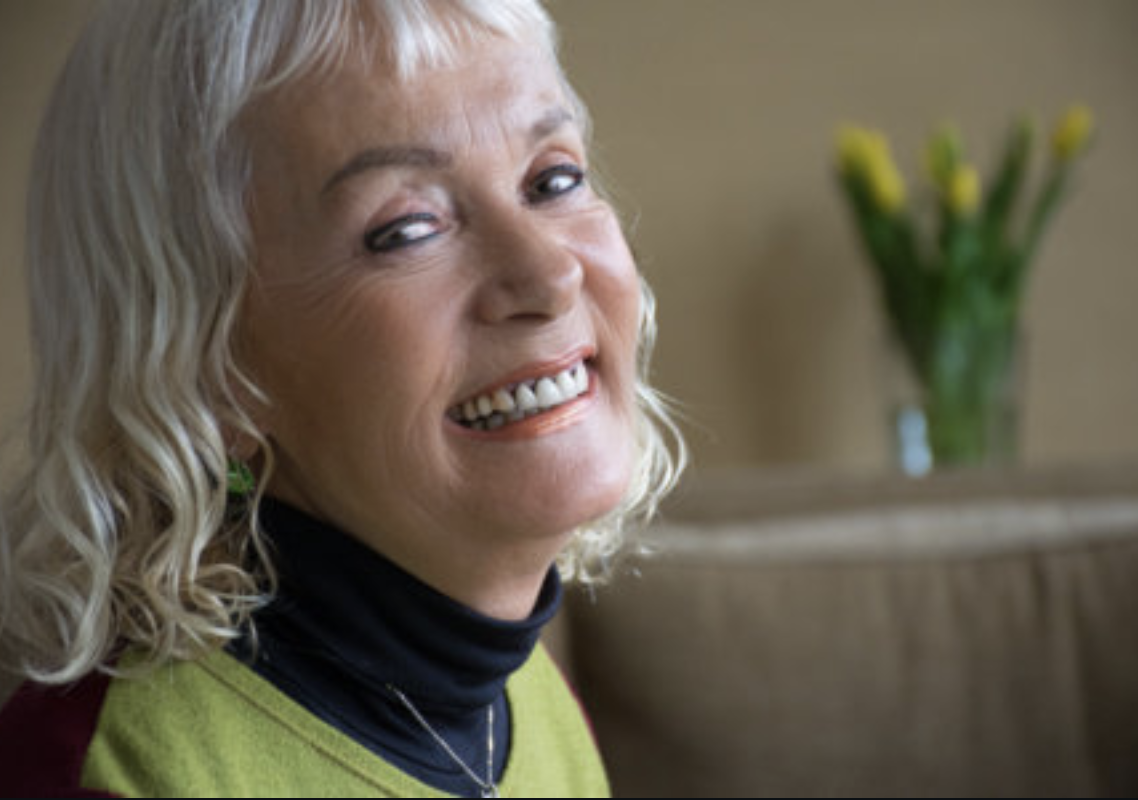
Author, Journalist and Translator Monika Zgustová
Monika Zgustova was one of my closest friends when I lived in Barcelona from 1980-1985. I've stayed in touch with her over all these years although as of late she doesn't travel anymore to the States for obvious reasons...
Originally from Czechoslovakia, her family fled Prague when she was a teenager when the Russians invaded and she and her family ended up in the States, where her father taught linquistics at the University of Illinois Champagne-Urbana (he spoke 16 languages, Monika speaks six). I have watched Monika's career blossom over the years--as the author of many successful fiction and nonfiction books, a translator of prominent Czech and Russian writers into Spanish and Catalan, including such luminaries as Václav Havel, Milan Kundera, and Fyodor Dostoyevsky and she even wrote the Catalan Russian dictionary!
Monika has lived in Barcelona for many years now and regularly contributes articles and editorials in Spain's El País and La Vanguardia newspapers, The Nation and CounterPunch in the United States and Lidové Noviny in the Czech Republic. She is one of the most intelligent people I know and it is my honor to include this article, featured in El País and Counterpunch, where she reflects on tyranny, in my substack newsletter:
"In communist Prague, my father was repeatedly arrested, imprisoned, and tortured for his dissident activities. My mother suffered, and in her attempts to halt that downward spiral, she made small gestures to appease the authorities. Her concessions consisted of the fact that, like most people, during communist holidays—the anniversary of the Russian Revolution, Labor Day, and others—she would place small Czechoslovak and Soviet flags in the windows of our Prague apartment and let them fly together, even though doing so was not strictly mandatory, but was well-regarded by the regime.
My parents are an example of the two attitudes displayed by citizens whose country becomes authoritarian, dictatorial, or totalitarian: a small group of people rebels and maintains its opposition to the regime despite the circumstances (which may include frequent interrogations, threats, imprisonment, and torture, as in my father’s case). The vast majority of citizens, however, choose to make concessions to the regime (like my mother), or to engage in full-fledged collaboration. .
During my student years in the United States, where my parents eventually fled with their teenage children thanks above all to my mother’s courage, I spent a few months in Argentina, which at that time was under military rule. There, too, I observed behavior similar to the totalitarianism of my childhood. I saw a resigned society, because dissidents were in prison or in exile. In Buenos Aires, people rarely went out; the cafés were almost empty. People had little money and much fear. However, some people from various professional backgrounds told me that at first they had welcomed the military because, after years of guerrilla warfare, they wanted peace and security. And I asked them if it was possible to enjoy peace under a regime that controlled and mistreated society. .
When the Argentine junta eventually expelled me from the country for having questioned a military officer’s statement at a meeting of interpreters for the World Cup, where I was supposed to work, I was glad because, like any society under a dictatorship, Argentina was a blind and self-absorbed community that turned a deaf ear to the reality of lives violated and tormented. .
Years later, I interviewed several women in Moscow who had been sentenced to the gulag during Stalin’s time. Those women told me that even in the labor camps—that microcosm of a society under tyranny—those two essential attitudes existed: that of rebelling and that of complying. Some women stood up to the guards and the camp leaders despite the consequences their defiance might bring: if not instant death, then harsh punishment. Other women, the majority, in their search for peace, remained obedient. Strangely enough, a higher number of daring women survived the gulag compared to the pusillanimous prisoners because the guards laughed at their fear, relished their panic, and punished the terrified women with a sadistic glee. .
Something similar also occurred in the Nazi concentration camps. The Czech journalist Milena Jesenská, a steadfast, intrepid woman who remained inwardly free even as a prisoner, used to rebel through acts of disobedience to the rules: she arrived late for roll calls at the Ravensbrück camp, brought wildflowers into the office where she worked, sent clandestine messages to other prisoners, and jotted down notes for her planned book on tyranny. Strangely, the guards rarely called her out on it. What was the reason? The explanation is simple: they knew that the Czech prisoner did not fear them. The other prisoners in her Ravensbrück barrack adored Milena for her attitude, but most of them were unable to imitate her: fear of the consequences overwhelmed them. One of the few women who gradually learned Milena’s fearlessness was her best friend Margarete Buber-Neumann, who survived imprisonment in Stalin’s gulag and another in Ravensbrück and was able to tell future generations how an attitude that tolerates tyranny gives wings to the oppressor. .
But let’s return to Russia, this time to contemporary Russia, the one that has Putin as its president and Stalin as its deity. Three decades ago, there were plans in Siberia to open museums dedicated to the gulag. Recently, the Russian-American journalist Masha Gessen traveled there to investigate this topic. Her guide was Inna Gribanova, a former enthusiast of historical memory. “However,” Gessen told me, “over the past few decades, Inna has become a different person: she didn’t found any museum; on the contrary, she now claims that the testimonies of the gulag exaggerated their horrific experiences. And to top it all off, she has become a Putin voter.” “How do you explain this?” I asked in astonishment. “She got tired of belonging to the minority,” Masha replied."
In the United States, where I used to travel for work several times a year over the past three decades and where I’ve stopped going since Trump’s second term began, part of society doesn’t want to acknowledge what’s happening. When I ask my American friends why, aside from the No More Kings protests, there are few reactions to the gradual destruction of democracy, they reply: “We don’t act because we’re numb." "Numb?” “Yes, from so much sudden change.” Political science professors at American universities tell me: “This can’t last.” I am stunned: so while armed troops control the streets and airports, while raids are carried out on the homes of immigrants and political opponents, and the number of paramilitary groups loyal to a single man grows, a large part of American society repeats with resignation: “This will pass; this cannot last.”
When in 1990 the opponent of communist totalitarianism, Václav Havel, was elected president of democratic Czechoslovakia (and later the Czech Republic), in his speeches he praised the acts of resistance against the regime carried out by “powerless” individuals and blamed Czech society, which through its passivity and complacency had allowed forty years of tyranny. A state of inaction similar to the one Havel referred to has taken hold of the United States. But when a society grows accustomed to the violation of laws and goes about its daily tasks without reflection, as if everything were normal, that’s the beginning of the end. .
A few weeks ago, I was struck by the words I read in The Guardian in an article by the writer Colm Tóibin, who lives in New York: “I learned first hand not only what evil is like but how evil is tolerated. What is strange about being in America in the time of Trump is how ordinary it is, how what was unimaginable just over a year ago is suddenly, shockingly no longer a surprise.” .
Authoritarian politicians are relying on the apathy of society. Backed by tech moguls, they encourage people to spend long hours scrolling and listening to loud music through headphones. They aim to make the society deaf, blind, and submissive while they, the autocrats, take over the world. .
That is why, instead of closing their eyes and letting themselves be deafened, societies in danger of falling under autocracy should imagine what life would be like in five or ten years if they allowed authoritarianism to take hold. The horror they would see should compel each individual to make every possible effort to prevent that imagined future from becoming reality. .
Playlist:
Music about Boats
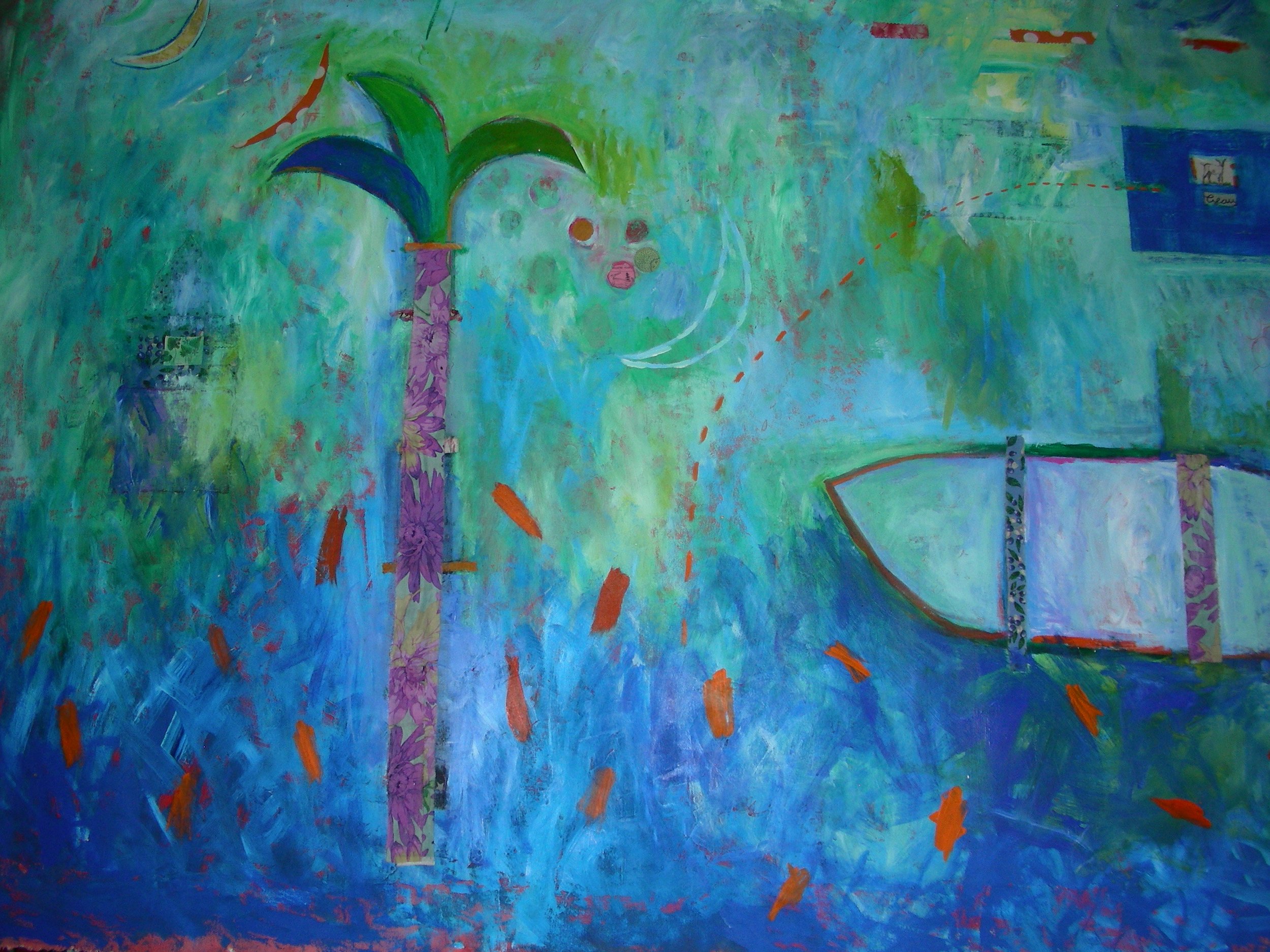
Pam Smilow. The Tropics, mixed media on canvas. 50” x 80” approx.
Boats are heading back into the water all over Maine, harbormasters are back at work, and finally spring is approaching (very gingerly I might add...). Thought I would include a playlist of songs related to boats, harbors and the sea...
David Gray Sail Away
Susan McKeown and Chanting House Albatross
Grand Funk Railroad I'm Your Captain
Mazzy Star. Quiet, The Winter Harbor
Tom DiMenna sings Gordon Lightfoot's The Wreck of the Edmund Fitzgerald
Crosby Stills & Nash Southern Cross and
Wooden Ships
Otis Redding, Sitting on the Dock of the Bay
Stanley Samuelsen The Water is Wide
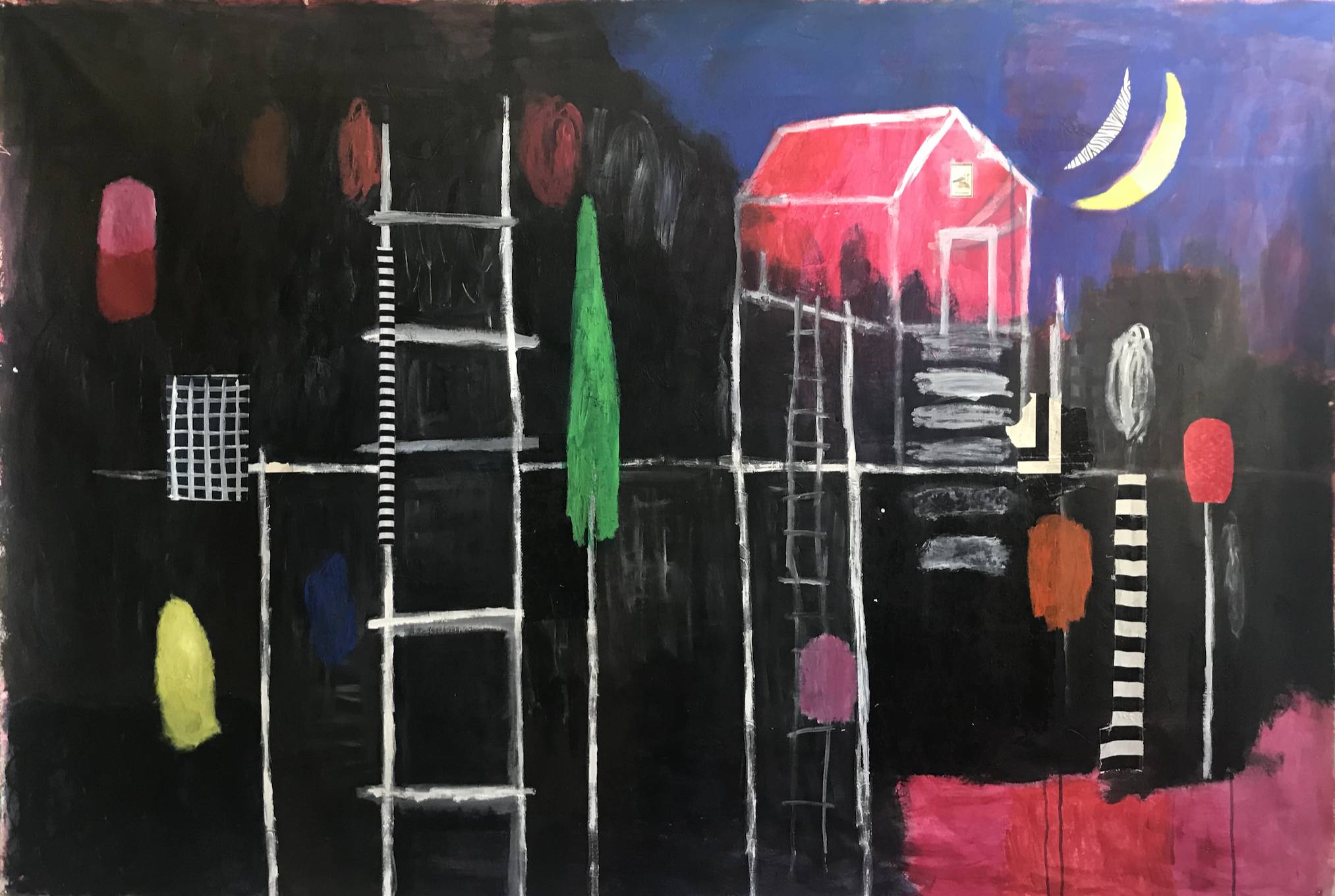
Pam Smilow. The Dock of the Bay, mixed media on canvas, 50” x 80”
Painting of the Week
Charity of the Week:
ACLU
Book of the Week
About The Author
New York City based contemporary artist, Pam Smilow, began writing the creative lifestyle blog “things we love” in an effort to foster a sense of community during times of isolation and reflection. To read more about her and her art, visit her website and check out the essay written by Frank Matheis entitled The Sophisticated Innocence of Pam Smilow.

Blog No. 280: Such an Uplifting Story, Sunshine Cobb Ceramics, Spring Tortellini Sou
Kwa Mbae Boy
Courtesy Michael Sellers
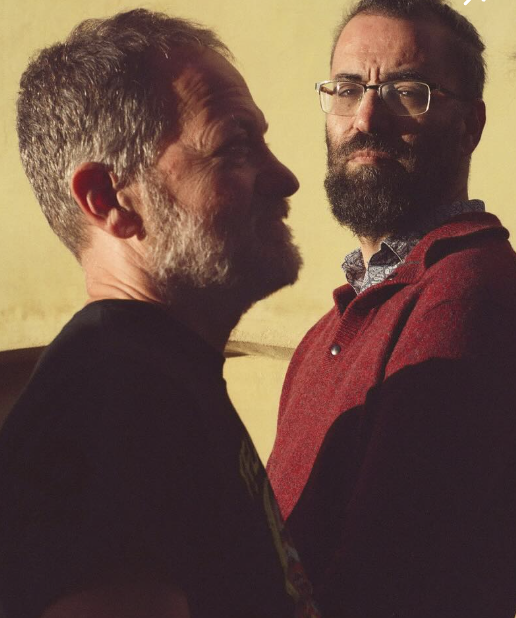
I follow Michael Sellers on Substack. His newsletter Deeper Look with Michael Sellers is informative and always worth the read. Sellers is a kind of renaissance man, having worked across many fields as a filmmaker, non-fiction author of many books and as a CIA agent for ten years operating in Eastern Europe, Africa, Moscow, and the Philippines. I was initially drawn to his substack by his reporting on Russia and the relationship between our president and Putin.
One of his latest posts really uplifted me to the point that I asked his permission to include it in my blog here. It is long and I have taken the liberty of editing it a bit but stick with it until the music at the end--it might just restore a little bit of your faith in people...
Here is the story that Seller's Kenyan wife Abby recounted to him--something that took place locally in her area of Kenya, that recently went viral on TikTok. It is a beautiful story, all about the innocence of a little boy and the wonders of community. I hope it uplifts you, as it did us.
THE KWA MBAE BOY
excerpted from Substack's Deeper Look by Michael Sellers
"It begins on a quiet afternoon in rural Meru. Rural Kenya is not jungles, by the way. It’s savannah and farmlands — driving into the countryside there reminds me of driving through the two land blacktops of Alabama where I grew up — farms on either side of the, occasional pine forests, cows, yes lots of cows.
A small boy stands by the roadside. A stranger asks for directions. The boy answers with absolute seriousness, pointing, gesturing, explaining with the confidence of someone who knows exactly where he is and exactly how the world around him is arranged.
Here’s the video.
(It’s a Tiktok embed — I hope it plays here for everyone.)*
His name is Musa Kihara, though by now much of Kenya knows him simply as the “Kwa Mbae” boy.
The clip is simple. That is part of its magic. Nothing dramatic happens. No one planned it. No one staged it. A boy is asked for directions, and he does his best.
“Unajua kwa Mbae?”
“Do you know Mbae’s place?”
You don’t have to speak Swahili to understand the charm of it, but the words help.
“Hapo, hapo, unaona ukifika hapo kwa Mbae, alafu hapo kwa akina Monda. Unajua hio side ya uncle Mureithi, hapo katikati, nitakuonyesha.”
In English:
“Over there, over there. When you reach Mbae’s place, then near the Mondas’ place. You know the side where Uncle Mureithi is? Right in between there — I’ll show you.”
That is not Google Maps. That is Kenya Maps. And Kenyans recognized themselves in the way the little boy gave directions.
It is a way of giving directions rooted not in street signs but in people, homes, families, memory, and local knowledge. You go past Mbae’s place. Then near the Mondas. Then toward Uncle Mureithi’s side. Somewhere in between, the boy will show you.
It is funny because it is so specific and so familiar—and here he is, only five, but with all that community knowledge on display. It is touching because he is so small and yet so assured. And it is memorable because, without meaning to, this little boy captured something larger than himself.
Social media picked it up almost instantly. Musa’s voice became a TikTok sound. The phrase spread. People laughed. They remixed it. They repeated it. “Kwa Mbae” became one of those national in-jokes that needs almost no explanation once it takes hold.
But then something deeper happened.
Kenyans began asking: who is this boy?
Not as a slogan. Not as a meme. As a child.
People noticed what he was wearing. The torn pants. The muddy shoes. The visible signs that life had not been easy. And instead of just laughing and moving on, people wanted to know more.
TikTokers began going to his village. They found Musa. They brought him clothes and shoes. They met his family. And then the story opened up.
Musa’s family, it turned out, was carrying a heavy burden. His brother was in the hospital with a serious illness, reported as throat cancer. His father was also sick and in the hospital. His mother was trying to hold everything together.
Here’s the brother in hospital, with a Tiktoker.
And this is where the story becomes something more than a viral clip.
In another country, perhaps, the boy might have become a joke for a day. A meme, a sound, a few million views, then gone. But in Kenya, the laughter turned into concern. Concern turned into visits. Visits turned into donations. Donations turned into a movement.
The Gen Z overlay matters here, because Kenya’s Gen Z knows how to move a story. They know how to turn a clip into a campaign, a phrase into a gathering point, a tender public moment into real-world action.
And they did.
What followed was not a government program. It was not a corporate campaign. It was not an NGO rollout. It was people. Ordinary people. Young people. TikTokers. Well-wishers. Neighbors. Strangers. Kenyans who saw a boy by the roadside and decided, almost as one, that he belonged to them.
Money was raised. Clothes were bought. Medical bills were addressed. Promises of longer-term help began to come in. People sang. People danced. People traveled. People gave.
...Thousands of people traveled to Musa’s home area. Reports put the crowd at easily more than 20,000. Whatever the final number, the images tell the story: a huge gathering, music, celebration, people surrounding this little boy who had done nothing more than help a stranger find the way.
A child who began the week standing by a roadside was now being welcomed like a small national hero.
Not because he was powerful. Not because he was famous in the ordinary sense. Not because he had performed or demanded anything.
Because he was helpful. Because he was innocent. Because he was charming. Because people saw him and recognized something good.
And maybe that is why the story has stayed with me.
At a time when so much public life feels poisoned, Musa’s story feels like a reminder from somewhere else — or maybe from some older part of ourselves — that people are still capable of sudden generosity. Still capable of affection. Still capable of being united by something other than anger.
A young child provided the spark. Kenya provided the answer.
And somewhere in that simple question — “Unajua kwa Mbae?” — there is more than a request for directions. There is a map of another kind: toward community, toward tenderness, toward the possibility that people can still see one another and respond with love.
I haven’t done justice to the story. I know that.
But maybe the videos will do what words can’t. The music, the laughter, the crowd, the little boy pointing down the road — all of it says something I needed to hear.
There is still goodness out there.
This week, for me, it came from Kenya.
Monika Zgustova Writer, Translator, Journalist
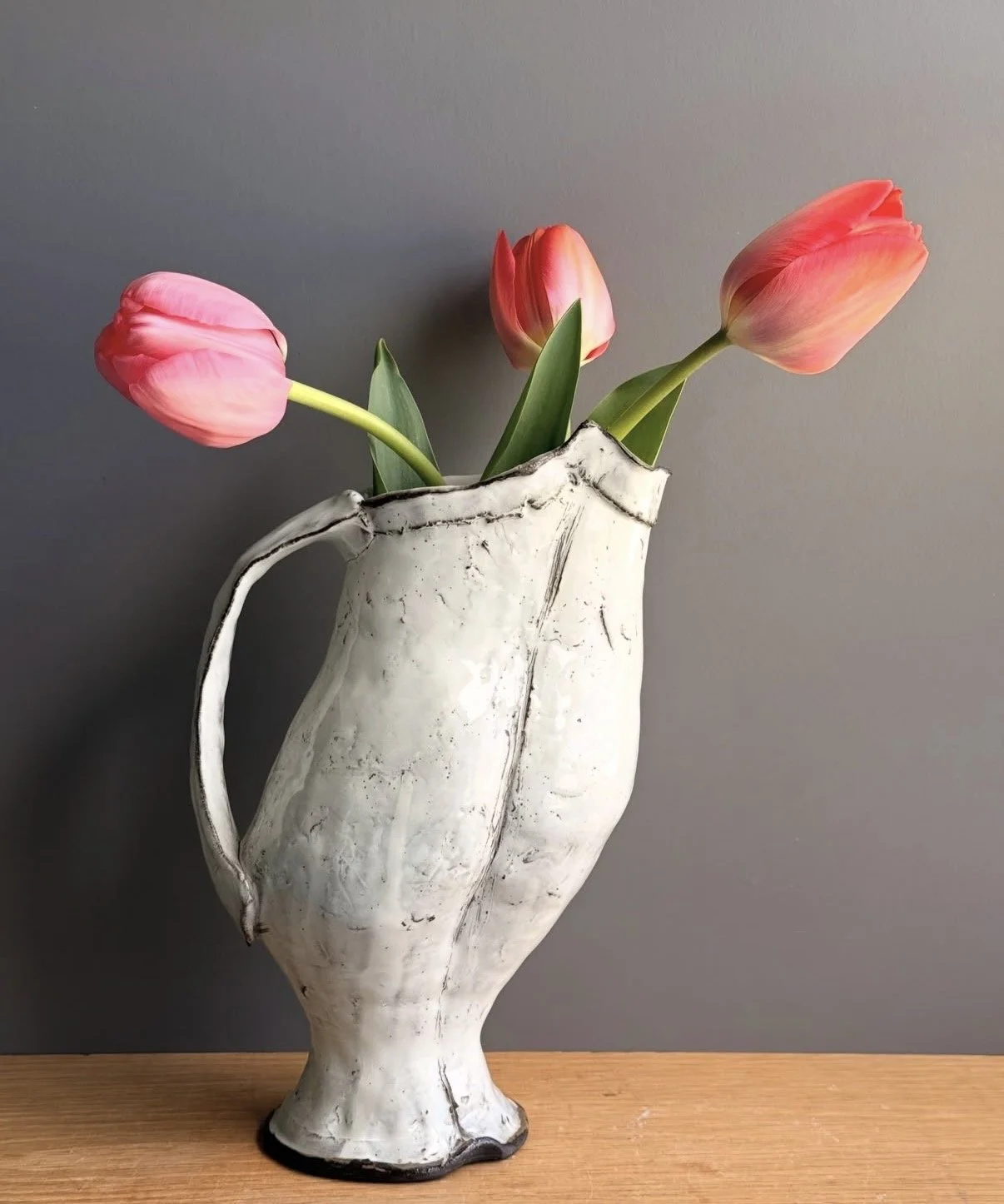
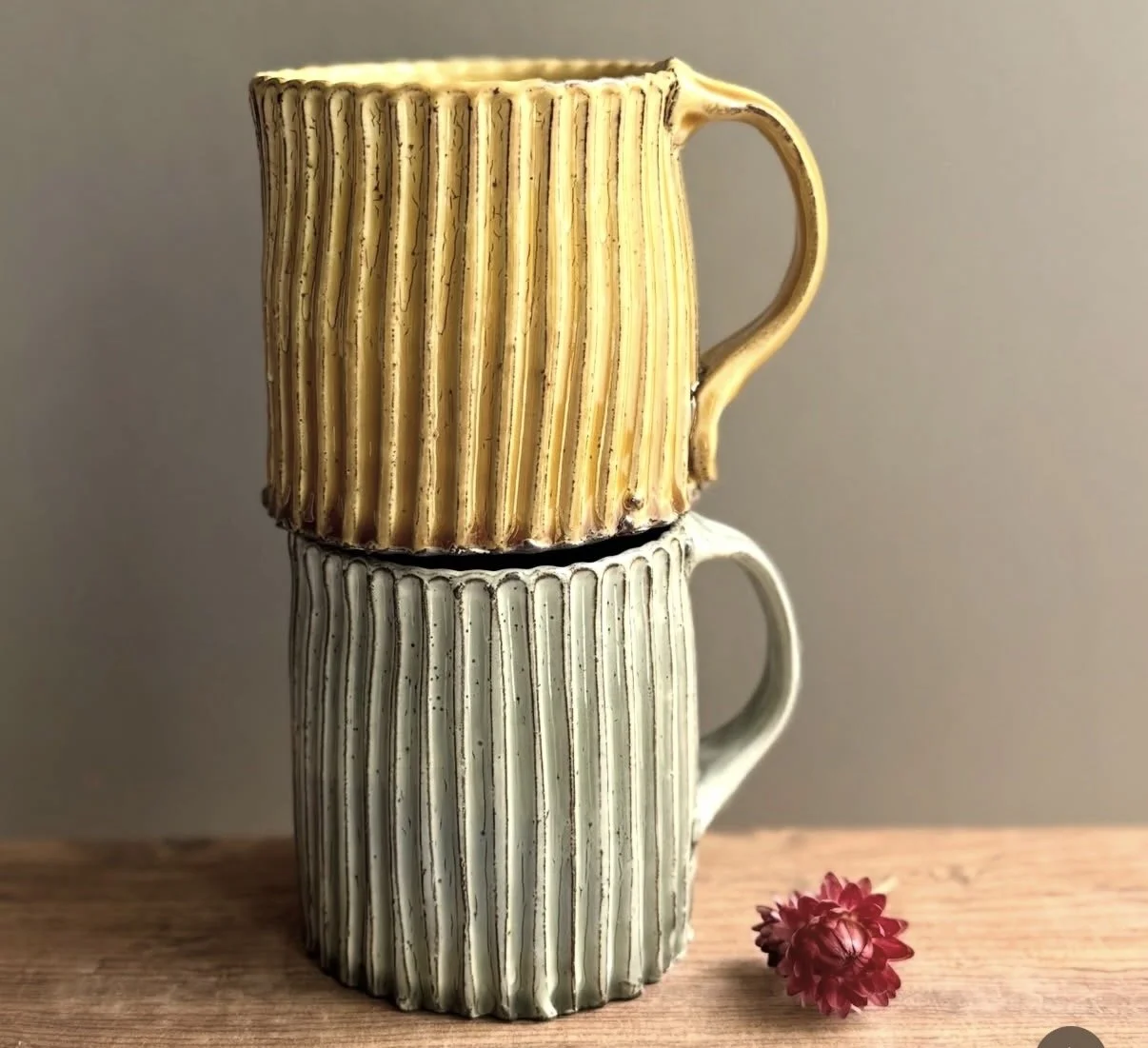
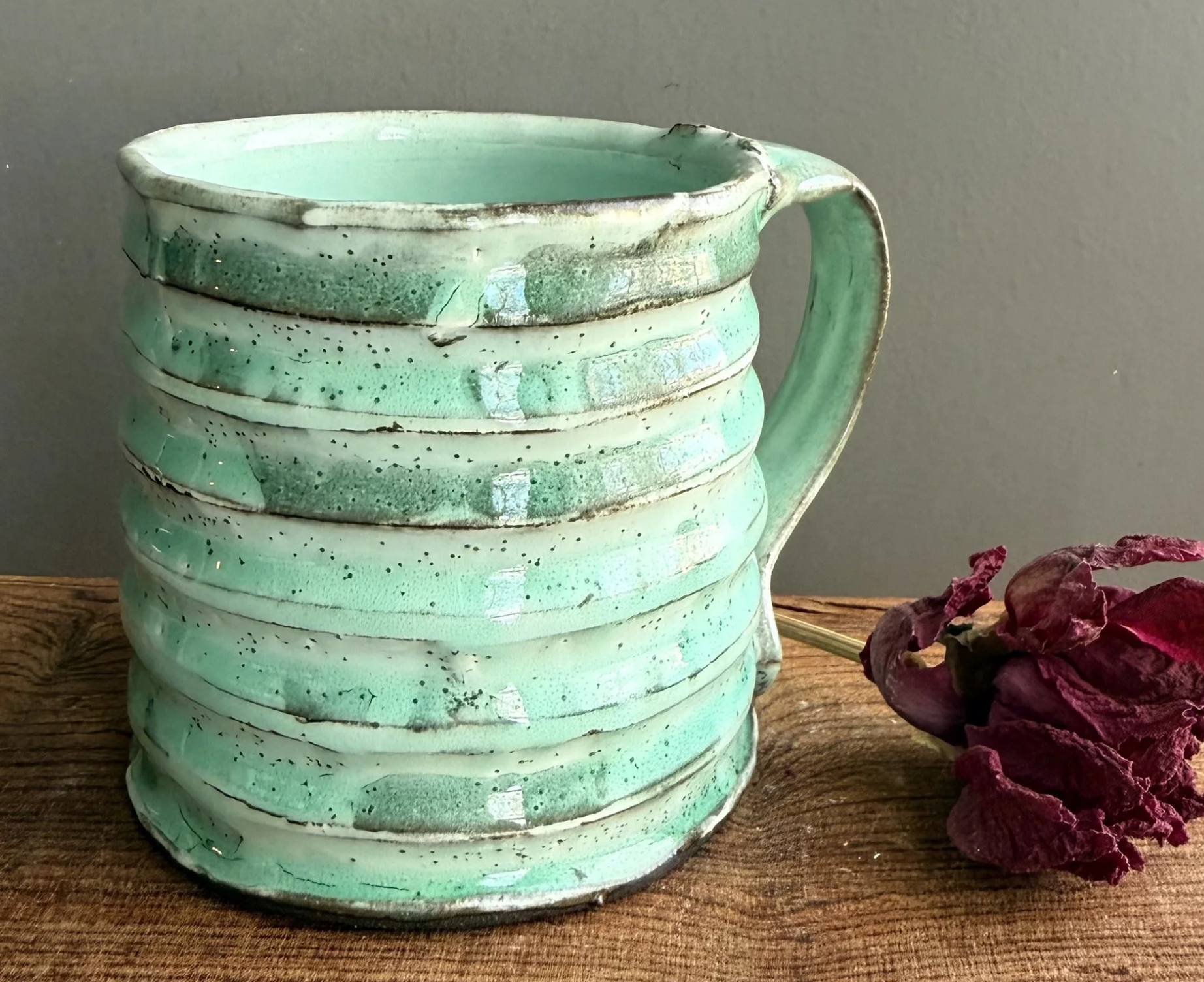
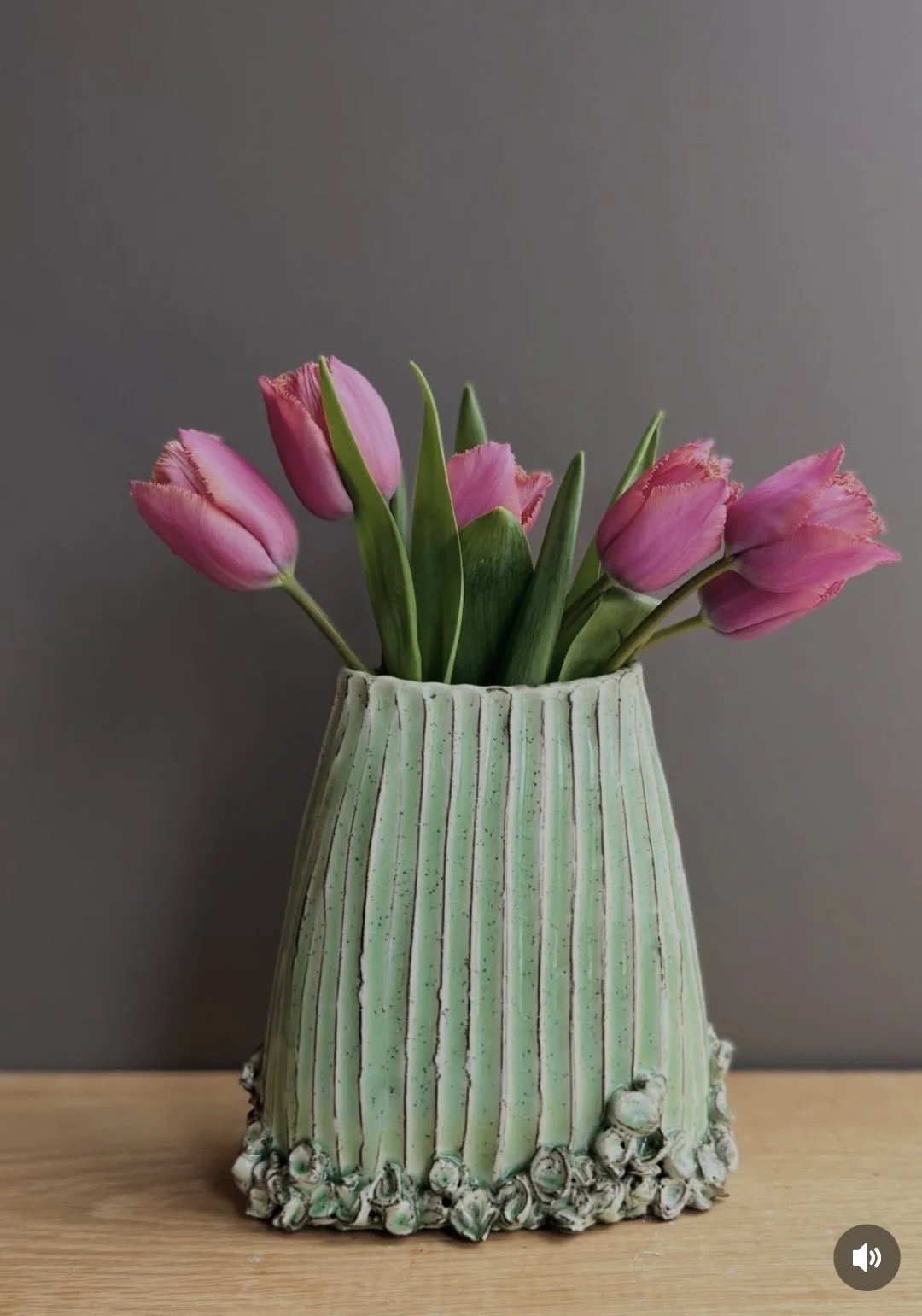
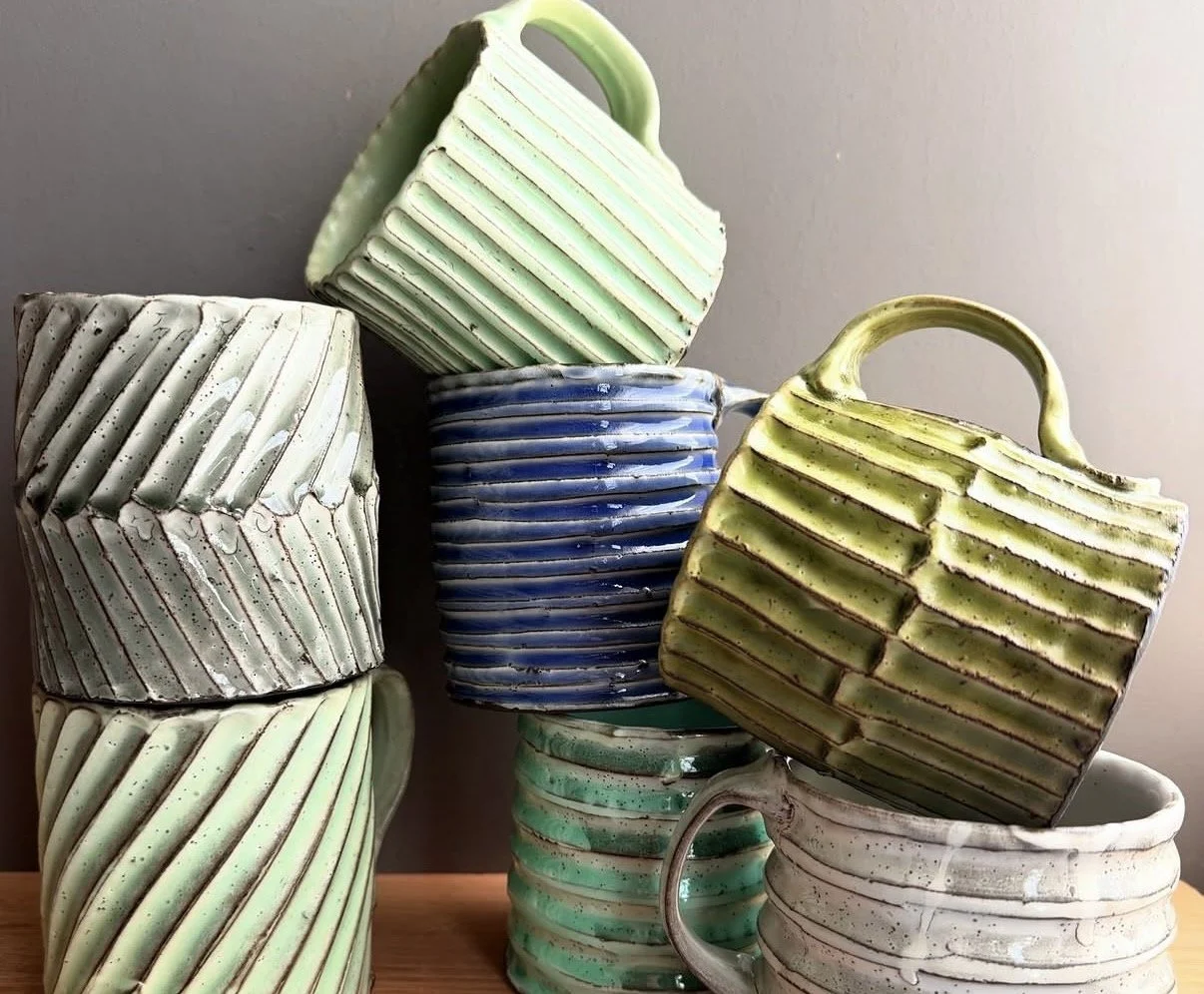
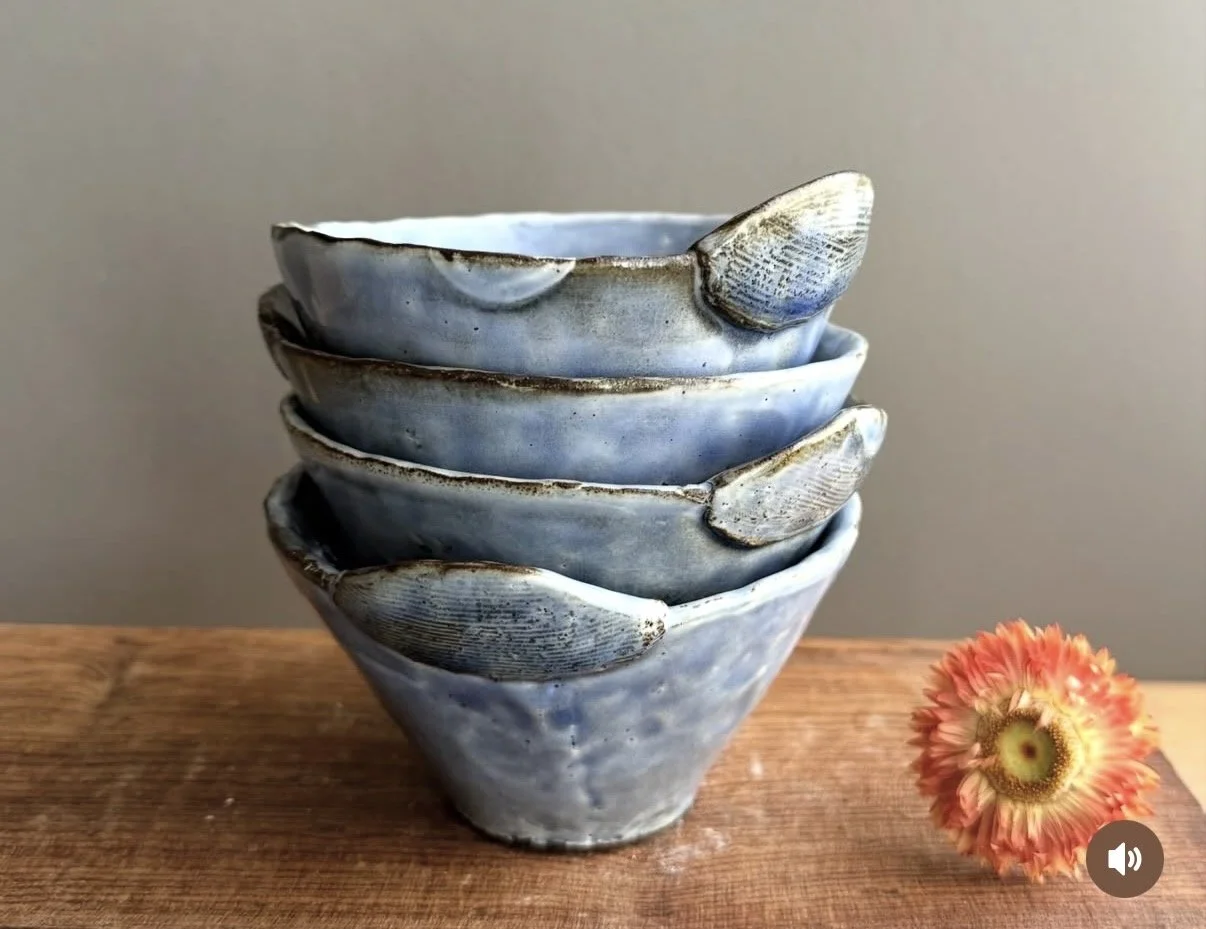
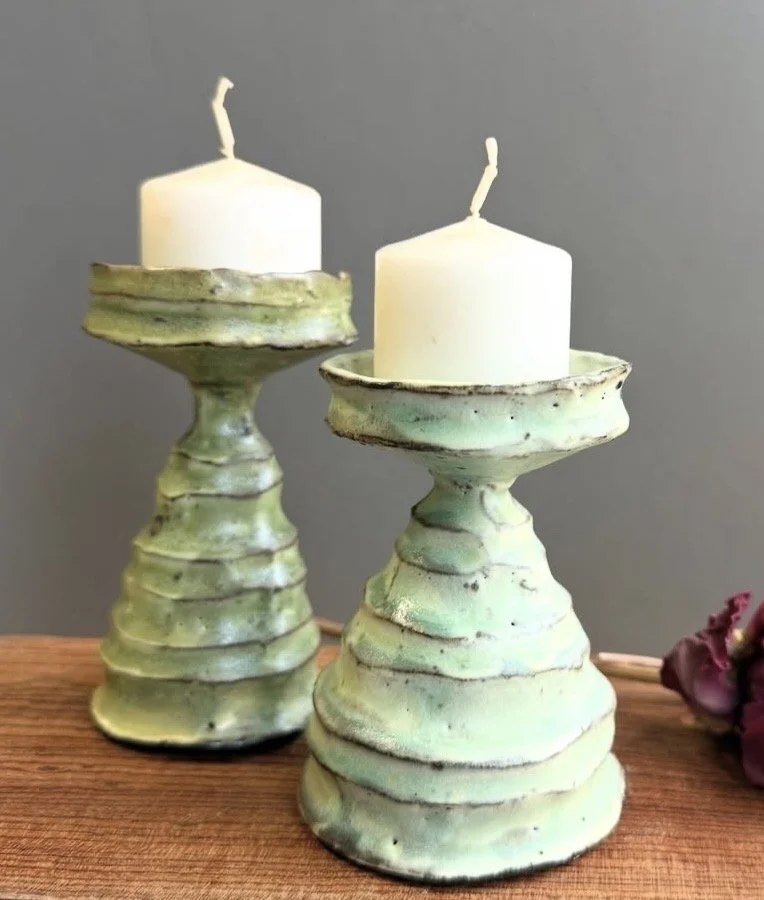
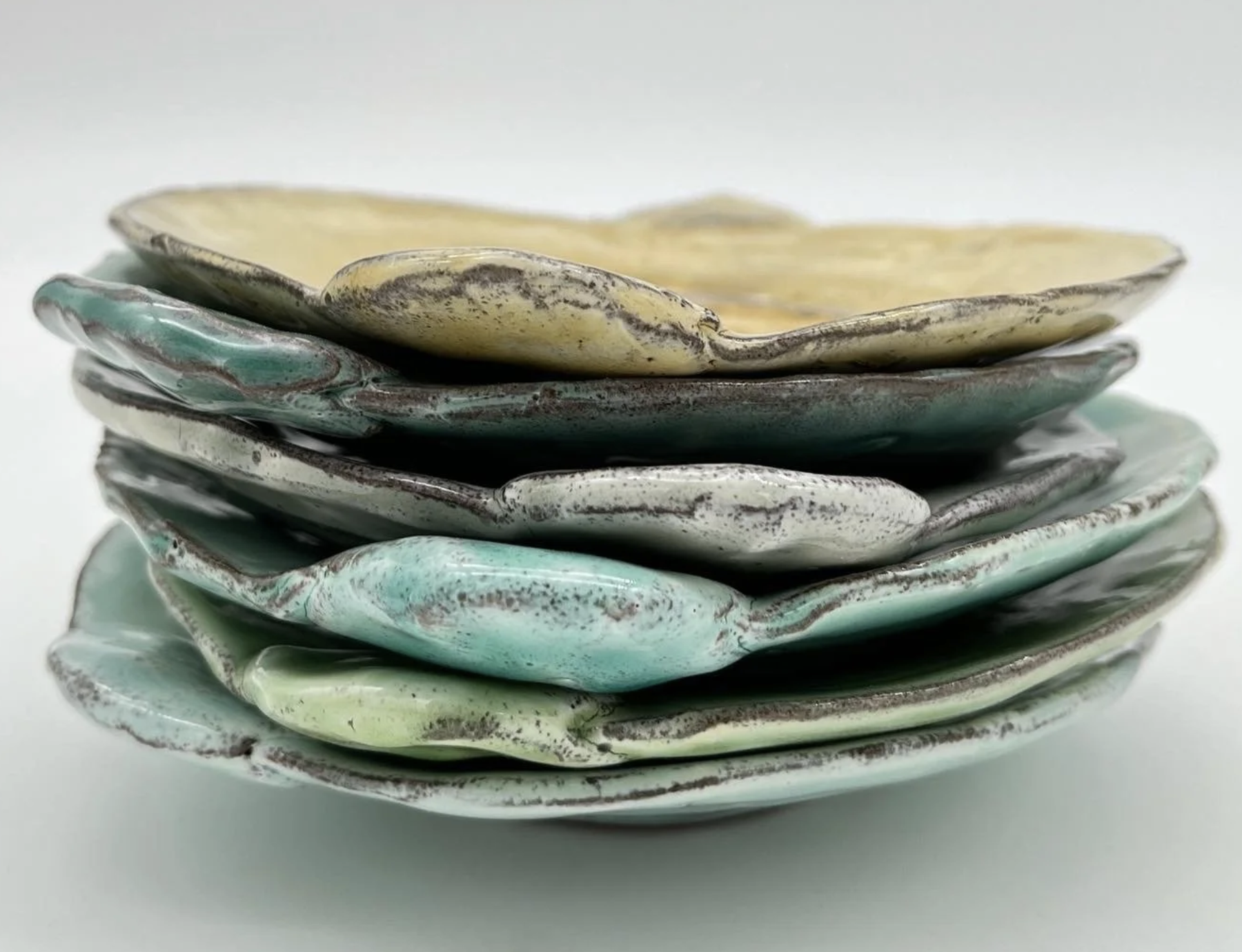
Sunshine Cobb’s ceramics are raw, the shapes are beautiful and well thought out, the glazes are matte and hit the perfect tone of color—just the way I like it. She is not afraid to show her process and both her wheel and hand built pieces strike the right note of technical ability but without the pursuit of tight perfection…
Based in Helena, Montana, Sunshine has been active in the ceramics world for decades. She has a thriving studio practice, wrote two of the definitive books in the field and gives workshops across the country.
Here are some more examples of her work
To see more of her work, check out her instagram.
Spring Tortellini Soup
Spring Tortellini Soup With Peas and Asparagus, Courtesy Amelia Rampe, a NYC-based food stylist, food writer & recipe developer.Here also is the link to her substack.
INGREDIENTS:
4 medium scallions or spring onions
4 cloves garlic
10 cups homemade chicken stockor store-bought low-sodium chicken or vegetable broth
1 (1-ounce or larger) Parmesan cheese rind (the larger the rind, the bigger the flavor)
1 large sprig fresh parsley
1 pound asparagus
1/2 teaspoon kosher salt, plus more as needed
1/4 teaspoon freshly ground black pepper, plus more as needed
1 cup frozen peas
1 (12 to 14-ounce) package fresh or frozen cheese tortellini
SERVING OPTIONS:
* Basil pesto
* Pea leaves
* Parmesan cheese
* Lemon wedges
INSTRUCTIONS
1. Chop off the whites of 4 medium scallions or spring onions (reserve the greens for another use or slice and use for garnish). Crush 4 garlic cloves with the flat of your knife. Place both in a large pot or Dutch oven. Add 10 cups stock or broth, 1 Parmesan rind, and 1 large fresh parsley sprig.
2. Cover and bring to a simmer over medium heat. Uncover and simmer until the flavors meld, 30 to 35 minutes. Meanwhile, trim off the woody ends of the asparagus, then cut crosswise into 1 to 2-inch pieces.
3. Using a slotted spoon, remove the scallions, garlic, Parmesan rind, and parsley and discard. Add 1/2 teaspoon kosher salt and 1/4 teaspoon black pepper to the broth. Taste and season with more salt and pepper as needed.
4. Bring the broth back to a boil. Add 1 package tortellini and cook according to package instructions. About 2 minutes before the pasta is cooked, add the asparagus and 1 cup frozen peas. Simmer until the vegetables are bright green and crisp-tender, 2 to 3 minutes.
5. Remove from the heat. Serve hot with a small dollop of pesto, a garnish of pea leaves, shaved Parmesan cheese, and lemon wedges if desired.
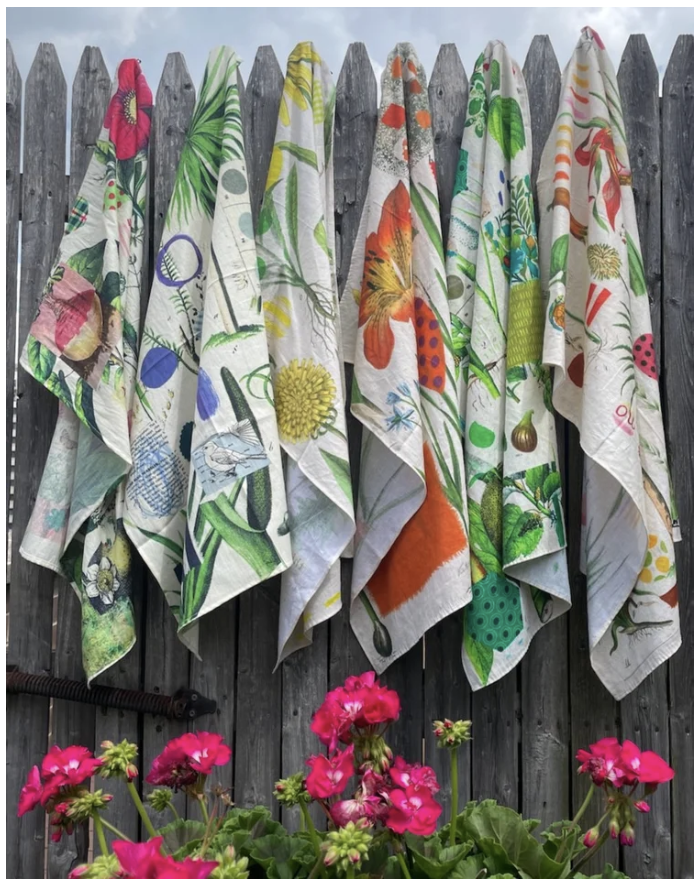
Products of the Week for Mother's Day
Charity of the Week:
ACLU
Book of the Week
About The Author
New York City based contemporary artist, Pam Smilow, began writing the creative lifestyle blog “things we love” in an effort to foster a sense of community during times of isolation and reflection. To read more about her and her art, visit her website and check out the essay written by Frank Matheis entitled The Sophisticated Innocence of Pam Smilow.

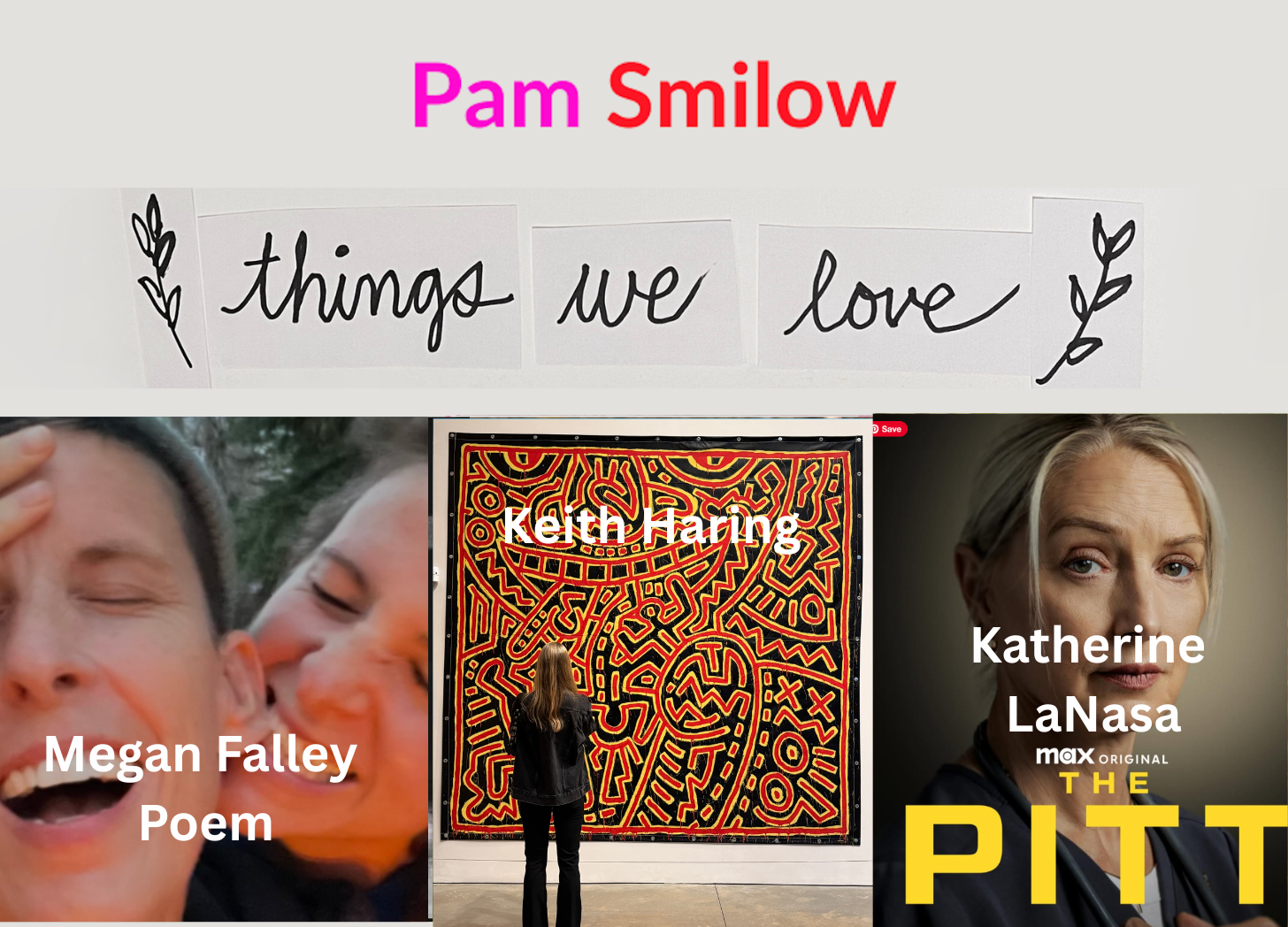
Blog No. 279: Poem by Meg Falley, Keith Haring, Interview with Katherine LaNasa, Nurse Dana
Tornado
by Megan Falley
This is an absolutely beautiful poem about grief. Maybe one of the best I have read on losing someone.
In 2025 Megan Falley lost the love of her life poet Andrea Gibson.
TORNADO
by Megan Falley
I admit, you drove me crazy.
The careless way you’d salt a tomato,
no napkin or plate beneath it.
Just right over the floor,
your summer snow, trusting
someone else would sweep it.
And you never took your boots off.
Only ever used half a stevia packet.
The rest would collect in the crevices
of car doors, divots no vacuum could reach.
There was nothing you couldn’t fix
with duct tape, or shoelaces
stolen from other people’s shoes.
And you broke everything
you borrowed. All those stains
you called heart-shaped.
Plus you lost my heirlooms.
Not because you didn’t care,
but because you moved so fast,
like maybe you always knew
you would leave too soon—
so why waste a minute
screwing the cap back on
the pickle jar? Do you remember
how many times you thought
something was stolen?
That we’d been invaded?
Because you couldn’t wait
that extra breath to look.
There is a wonderful film about their life entitled Come See Me in the Good Light which is so worth watching if you haven't seen it already. And this New York Times interview with Megan Falley from the Modern Love section of the newspaper.
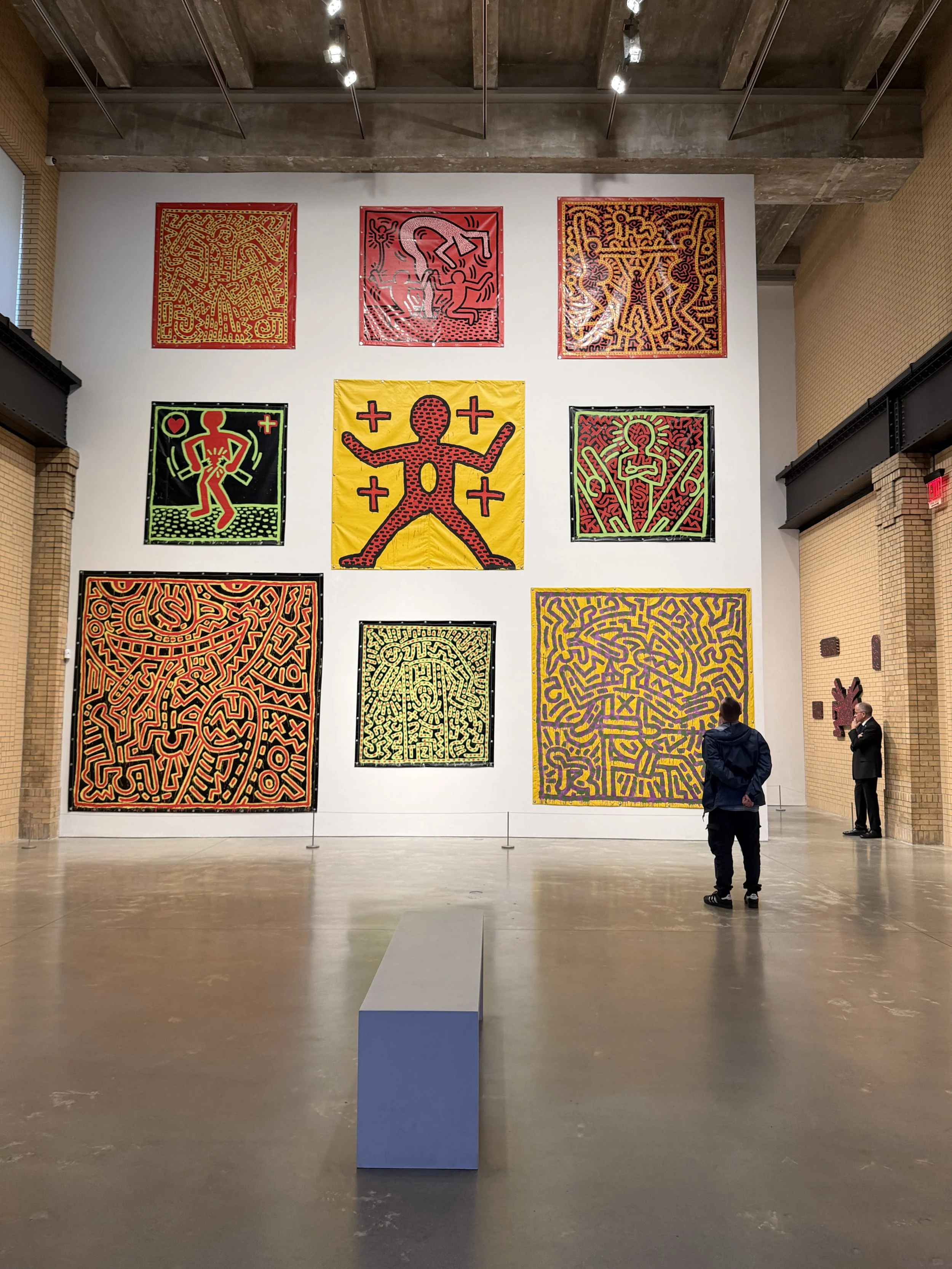
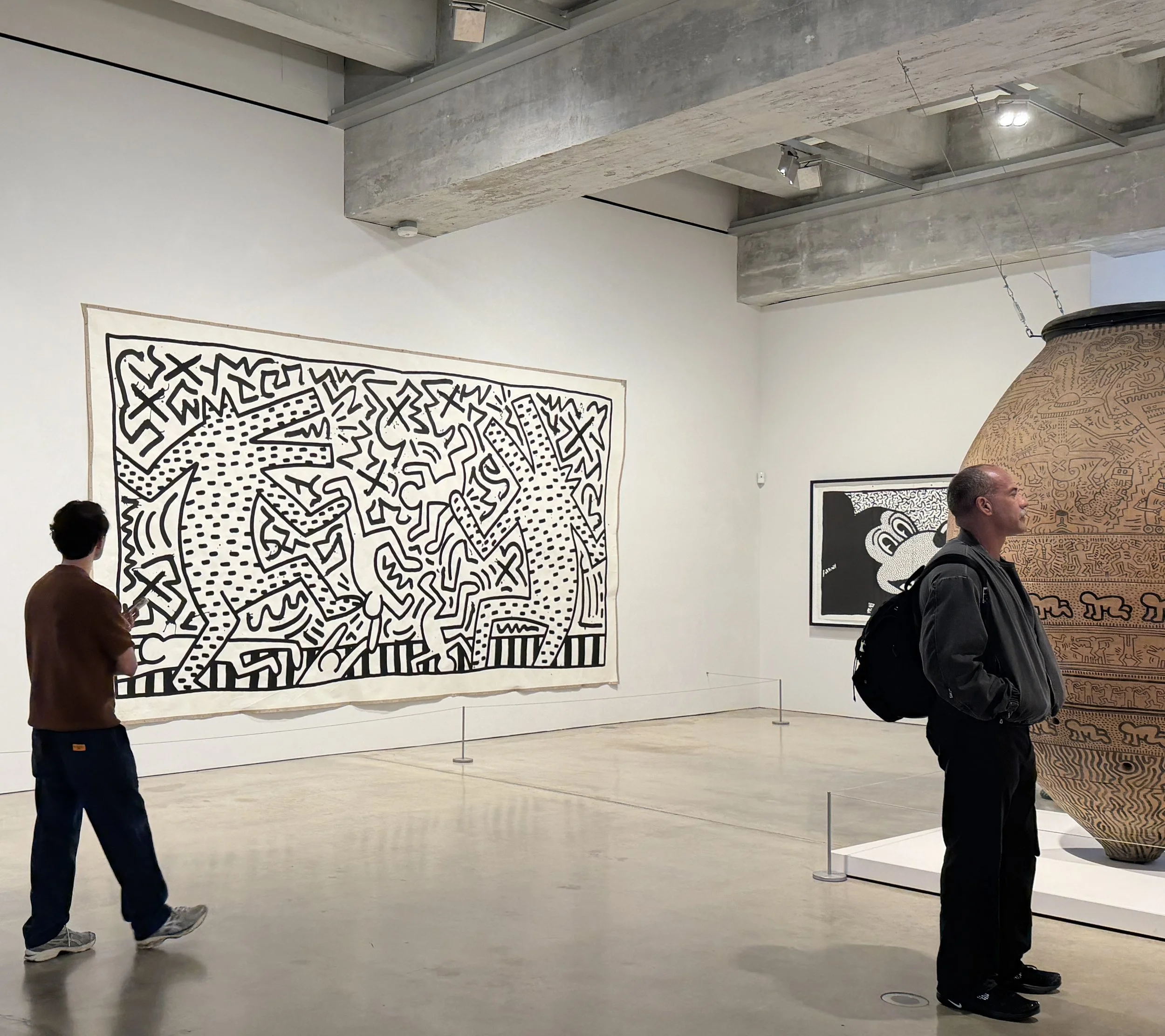
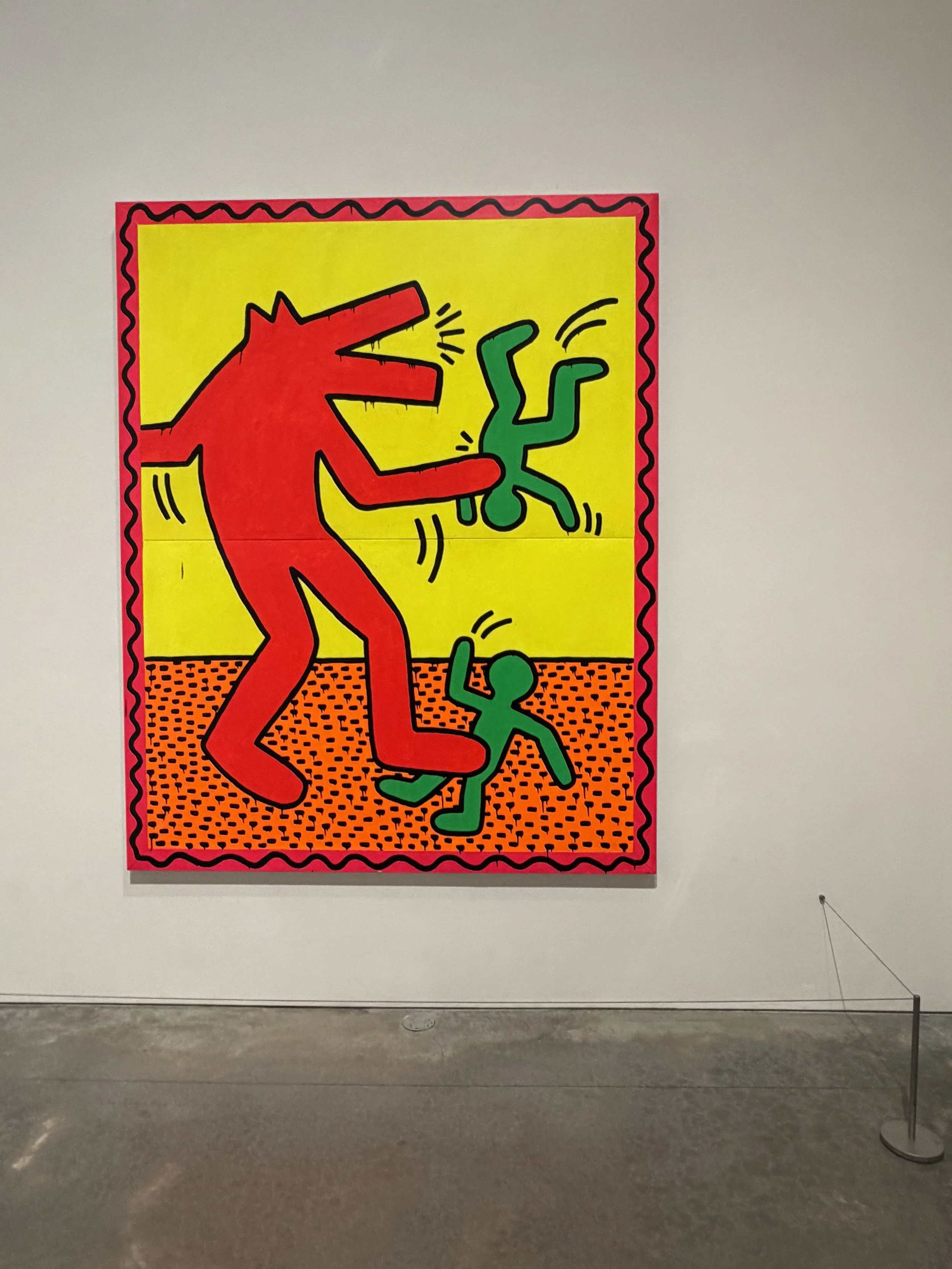
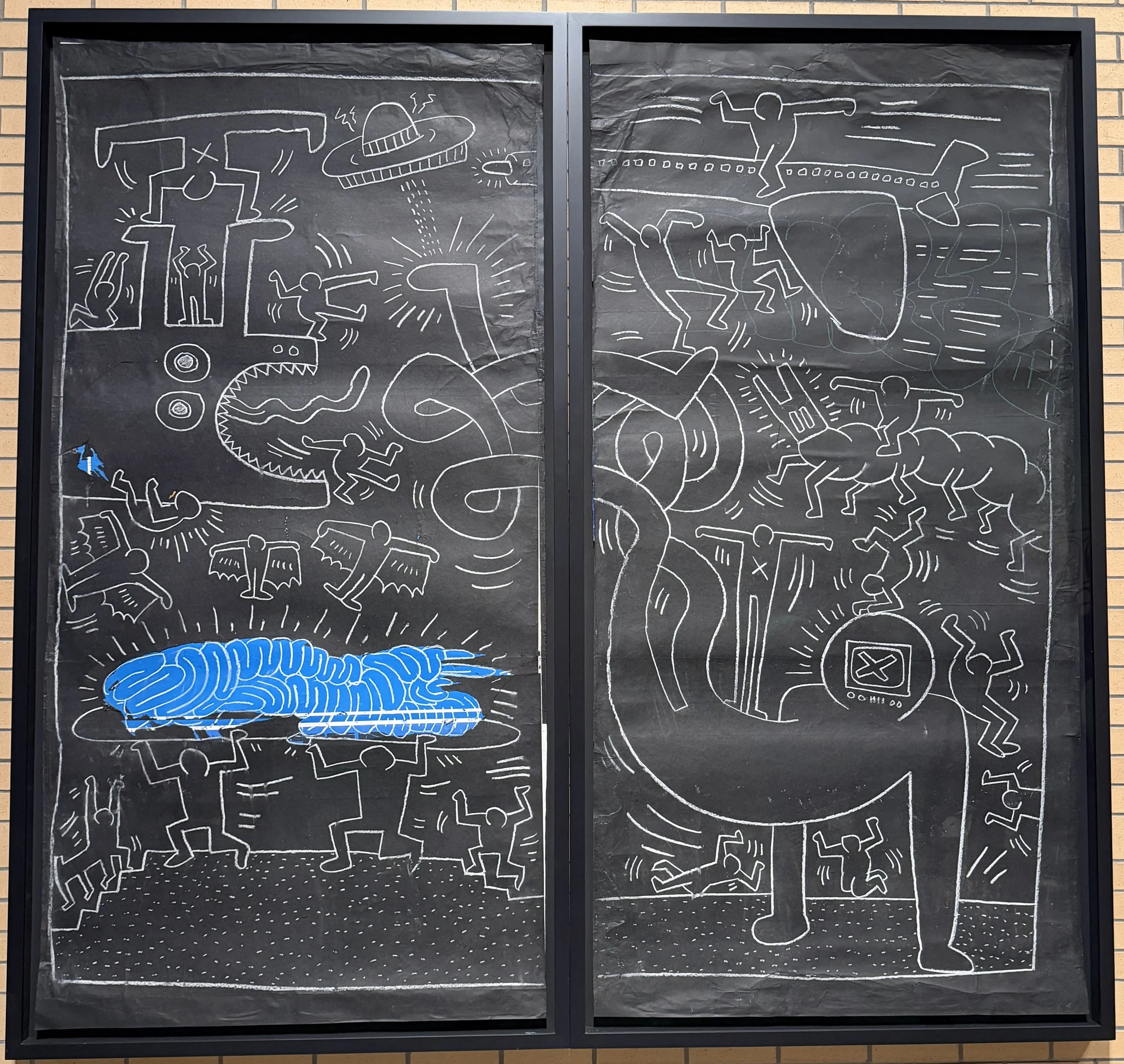
Keith Haring at the Brant Foundation
I am never at a loss for cultural things to do in Maine. There is a tradition here of opera houses in many of the small towns (although the term opera is used loosely--they are more gathering spots for cultural events and general town meetings). Between great independent films, first class concerts, open mics, poetry readings, theater, museums, I could be busy every day and night.
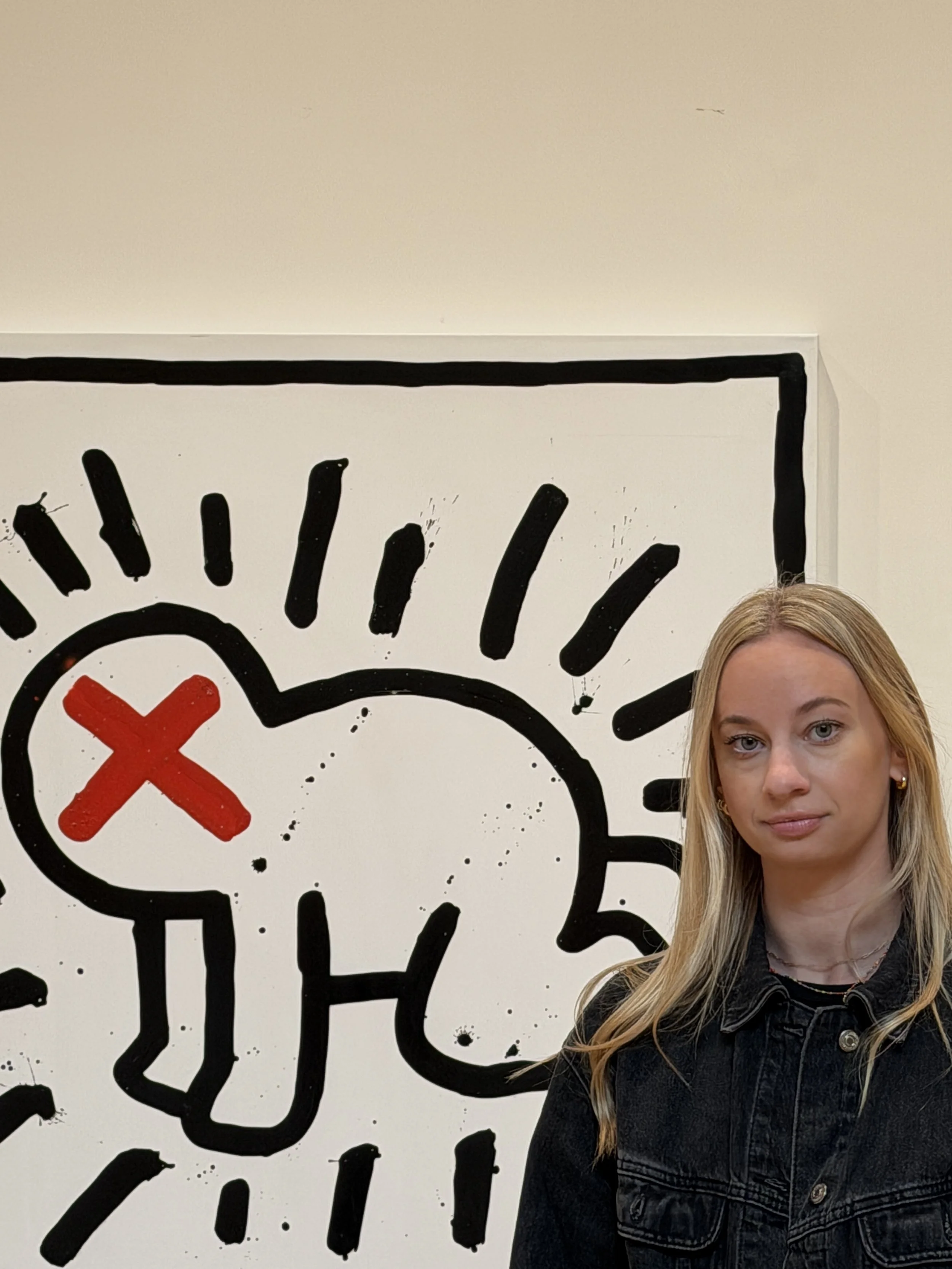
But there truly isn't any place like New York City, where I was last week, just for the sheer quantity of exciting choices. And I took advantage of that and packed it in during the six days I was there...I shared some of that in last week's newsletter but below are some of the images from a Keith Haring show I saw at The Brant Foundation on 6th Street in the East Village. The building itself is stunning and a perfect place to see art. (I still remember the Basquiat show there several years ago). Here are some of Haring's work on display that stood out to me:
Keith Haring at the Brant Foundation in NYC
Interview with actress Katherine LaNasa
I have always had a special place in my heart for nurses. Nurses and teachers. As Mr. Rogers said, the helpers…And hospital shows have always fascinated me, although I shut my eyes a lot. So no surprise that I LOVE The Pitt. The characters are very well developed and my favorite is Nurse Dana, the charge nurse, played brilliantly by Katherine LaNasa.
I am done binge watching the second series (can't wait for the third, out most likely in January 2027), so I have been fishing around for some behind the scenes videos about the show and came across this interview with Katherine LaNasa on the podcast Q with Tom Power.
I love this woman. Self described as the "pretty girl that was weird", she got a late start to acting and her approach to the craft is intuitive (much like how I approach painting). "I am not a cerebral actor--I kind of squint at it." I can relate...Her conversation is frank, open, even when she talks about her experience with breast cancer and the humbling that took place with her diagnosis. Nurse Dana is for her a love letter to all the people who treated her kindly during that time.
Katherine La Nasa has some important lessons to teach us: she believes it is never too late to stop growing, to perservere, know that life contains its hills and valleys, and to believe in yourself. As beautiful as she is as Nurse Dana, I take away from this interview (and her time on Stephen Colbert) that she is equally beautiful in life.
Why am I not surprised that the Tom Power podcast and the interviewer Garvia Bailey are Canadians...
Products of the Week
Charity of the Week:
ACLU
Book of the Week
About The Author
New York City based contemporary artist, Pam Smilow, began writing the creative lifestyle blog “things we love” in an effort to foster a sense of community during times of isolation and reflection. To read more about her and her art, visit her website and check out the essay written by Frank Matheis entitled The Sophisticated Innocence of Pam Smilow.